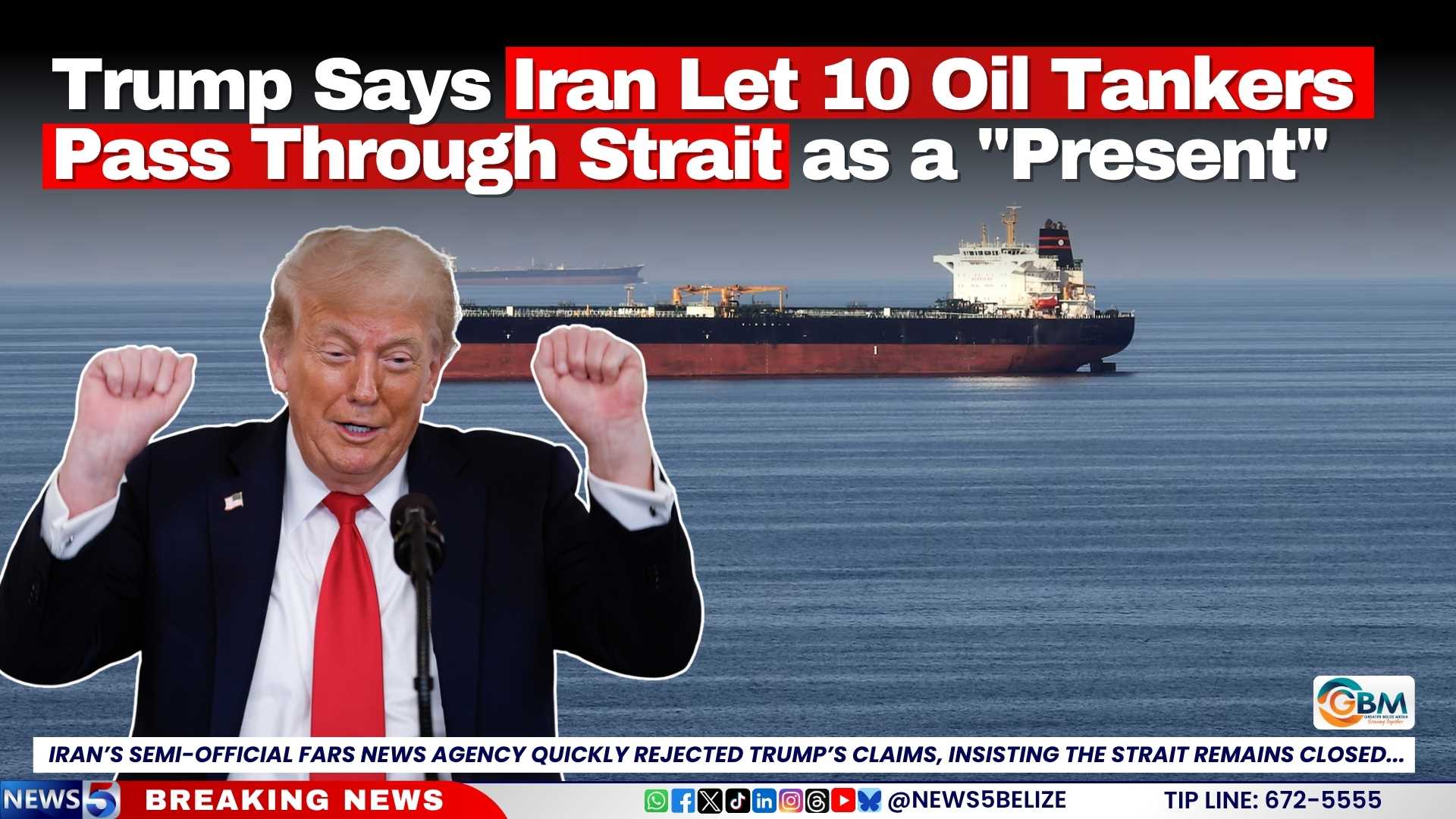
In a significant development in U.S.-Iran relations, President Donald Trump asserted during a White House cabinet meeting on Thursday that Iran had permitted the passage of ten oil tankers through the strategically vital Strait of Hormuz as a diplomatic “present.” The American leader characterized this gesture as demonstrating Tehran’s genuine commitment to ongoing negotiation efforts, emphasizing the substantial monetary value represented by the vessels.
Trump specifically noted the tankers were reportedly flying Pakistani flags, highlighting the friendly relations between Pakistan and Iran. This detail gains particular significance given Pakistan’s recent role as intermediary, having delivered a 15-point peace proposal to Iranian authorities on behalf of the United States.
Following the cabinet meeting, Trump utilized his Truth Social platform to announce a corresponding diplomatic concession: a ten-day extension of the pause on planned strikes targeting Iranian energy facilities. In his social media statement, the President framed this decision as responsive to an “Iranian Government request,” setting the new deadline for Monday, April 6, 2026, at 8 P.M.
Contradicting the presidential claims, Iran’s semi-official Fars news agency promptly issued a rebuttal, maintaining that the Strait of Hormuz remains officially closed to maritime traffic. The agency reiterated Iran’s naval policy of prohibiting movement to and from ports of nations allied with “Israeli and American enemies,” warning that any unauthorized passage would meet with military response. Supporting Tehran’s position, multiple reports confirmed that at least three commercial vessels had been turned away from the strategic waterway as recently as Friday morning, creating a stark discrepancy between American assertions and observable realities on the ground.