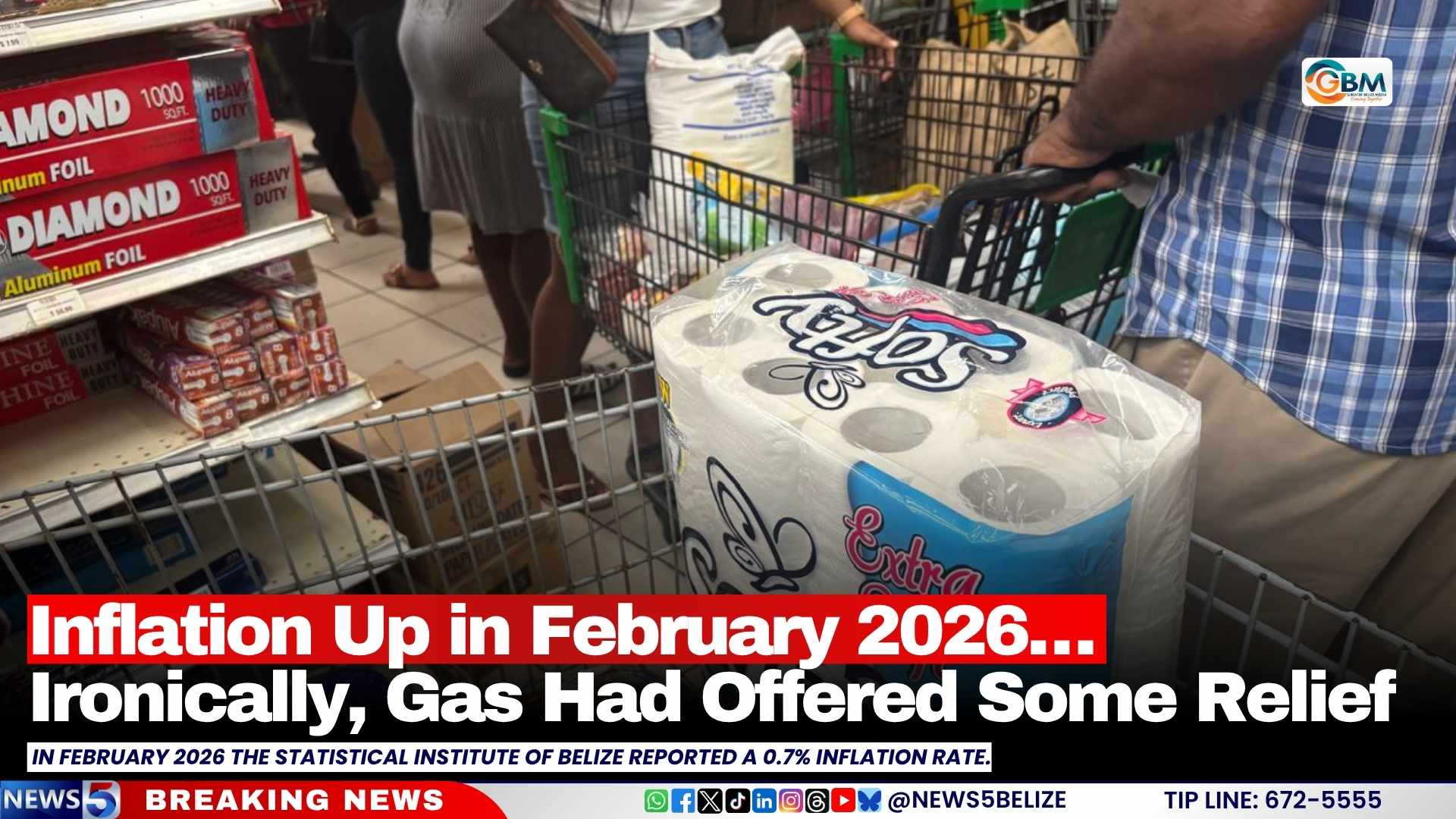
The Statistical Institute of Belize has documented a discernible uptick in consumer prices for February 2026, with the national inflation rate reaching 0.7%. This economic development was predominantly propelled by escalating costs across essential categories including food commodities, residential electricity, and commercial restaurant services.
A detailed analysis of the food sector reveals significant price surges, with pork products escalating by over 15% and beef steak prices advancing by nearly 9%. The cost of sugar witnessed a substantial 16% increase, while vegetable items including tomatoes and carrots recorded double-digit price growth. Conversely, the market experienced price reductions for certain fresh fruits including watermelon and plantain, which provided partial mitigation against the broader food basket inflation.
The energy sector contributed additional inflationary pressure following the implementation of increased electricity rates per kilowatt-hour at the commencement of 2026. The consumer services sector, particularly dining establishments and healthcare providers, also implemented moderate price increases. The apparel industry demonstrated modest inflation, predominantly affecting men’s clothing and footwear categories.
Contrasting these trends, the transportation sector experienced deflationary relief as fuel prices declined substantially year-over-year. Regular gasoline prices decreased by 7.5%, premium gasoline by 6.1%, and diesel prices fell by 1.5%. This reduction in transportation costs partially counterbalanced the inflationary pressures from other consumer categories.
Regional analysis indicates significant geographic variation, with Punta Gorda recording the highest municipal inflation rate at 2.2%, while Orange Walk maintained the most stable pricing environment with merely 0.2% inflation. The cumulative inflation rate for the initial bimonthly period of 2026 stands at 0.4%.
Market analysts note that the February fuel price relief proved transient, as March witnessed a rapid reversal of this trend following geopolitical disruptions in global oil markets related to conflict in Iran, which drove petroleum prices upward once more.