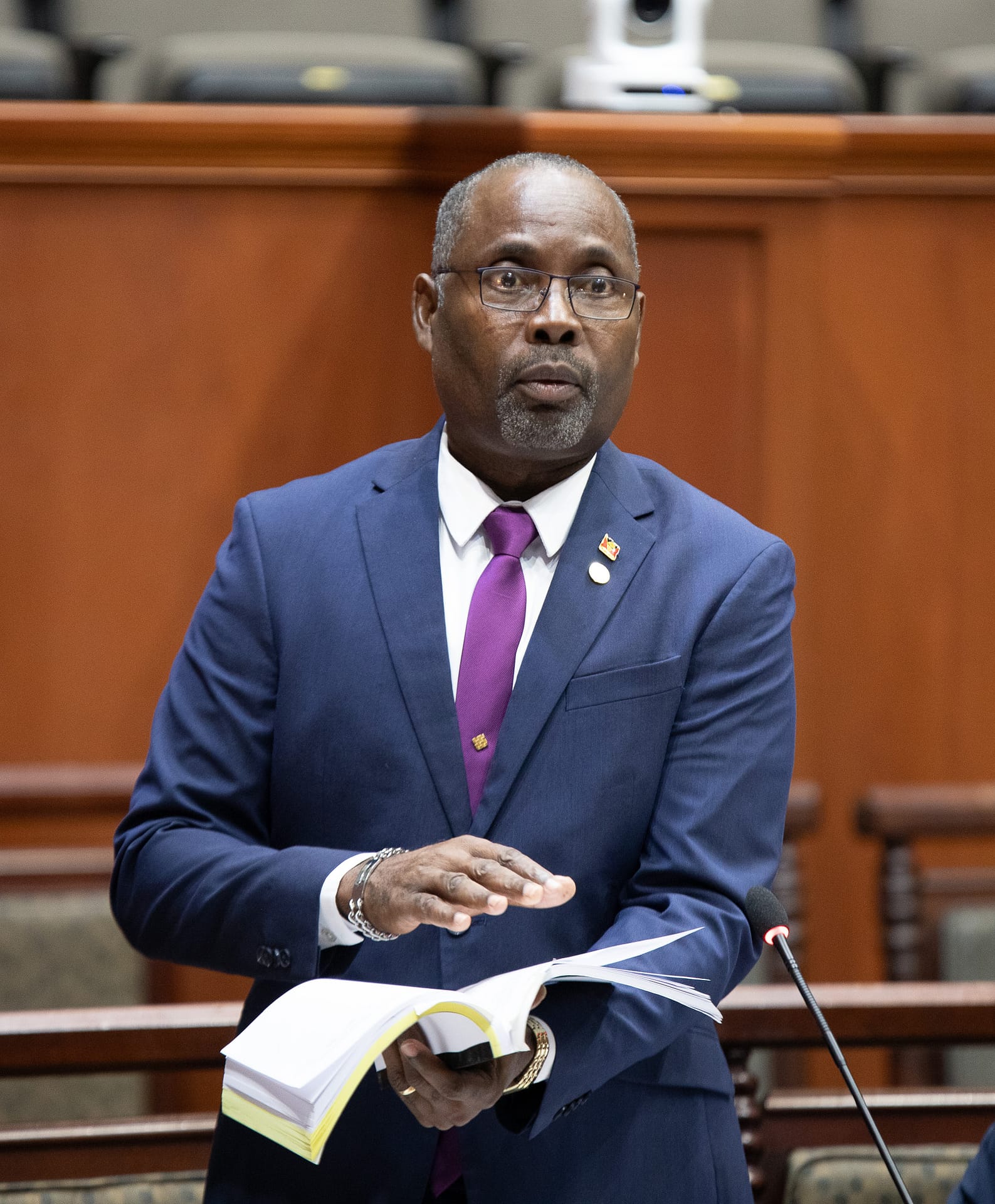
With general elections approaching in Antigua and Barbuda, Parliament member Richard Lewis is advocating for a fundamental shift in voter mentality. The representative for St. John’s Rural West contends that electoral decisions should prioritize individual candidate merit over blind party allegiance.
In a recent appearance on Observer AM, Lewis elaborated on the nation’s electoral framework, characterizing it as a system of 17 distinct constituency elections rather than a single partisan contest. This structure, he argues, inherently demands personalized accountability from each representative.
“While political teams demonstrate unity during campaigns, electoral outcomes are ultimately determined at the hyper-local level,” Lewis stated, acknowledging party collaboration while emphasizing constituency sovereignty.
The MP presented his own record as a case study, urging constituents to evaluate his performance based on tangible deliverables rather than broader perceptions of his United Progressive Party (UPP). Citing three years of consistent engagement, Lewis highlighted his hands-on approach: “My representation has been performance-based since day one. I approach my constituents with a record I am proud of, confident in the work accomplished.”
This constituency-first philosophy emerges amid growing voter dissatisfaction with both major political parties. Lewis positions individual accountability as particularly crucial in the current climate of political skepticism.
His strategy underscores a deeper philosophy of governance—that effective representation stems from direct constituent engagement rather than party propaganda. “My constituents know I remain accessible and committed to their service,” Lewis affirmed, signaling his dedication to continued grassroots connection.
This emphasis on localized performance metrics suggests a strategic pivot in campaign approaches as Antigua and Barbuda’s political parties prepare for what observers anticipate to be a highly competitive election cycle.