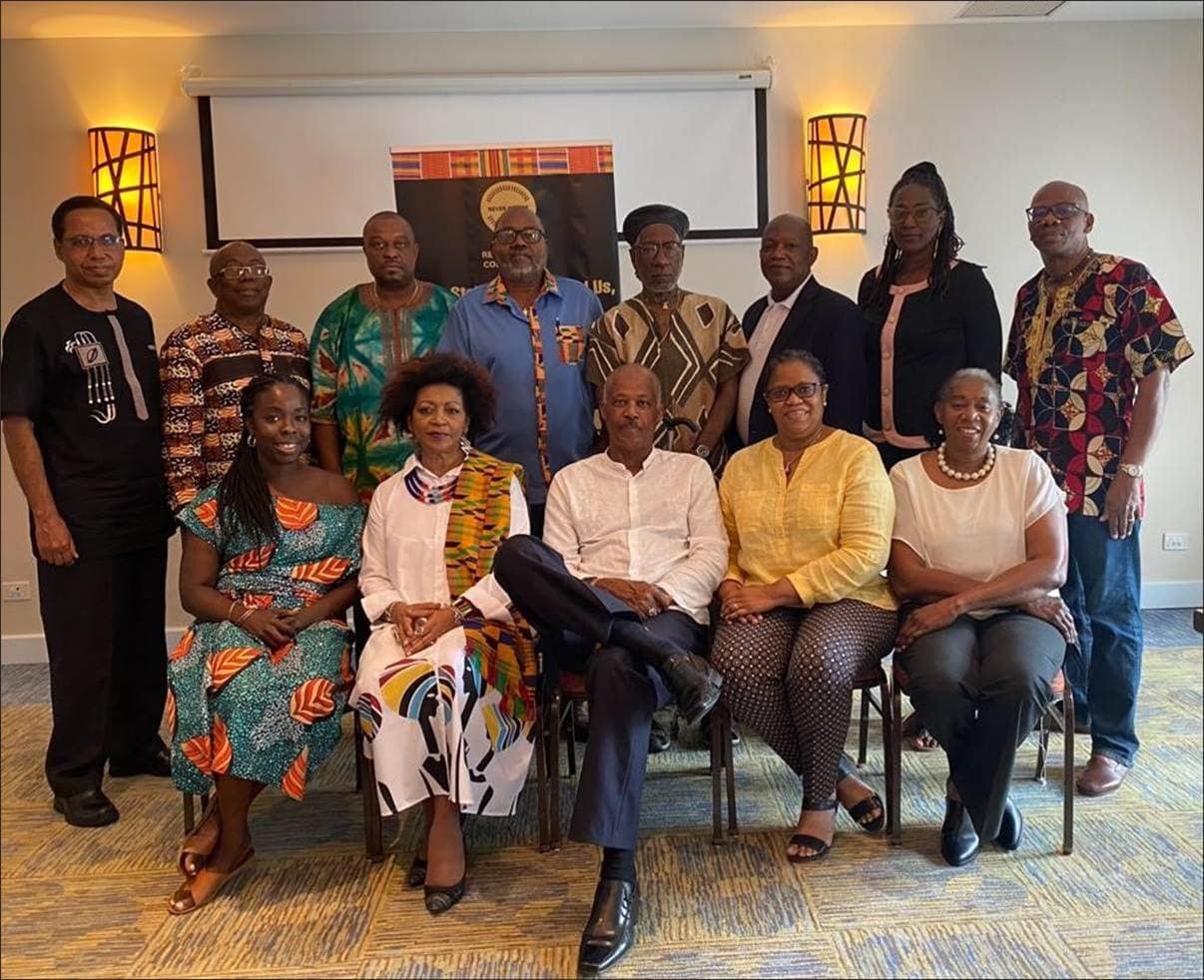
On the International Day of Remembrance for Victims of Slavery and the Transatlantic Slave Trade, the CARICOM Reparations Commission issued a powerful declaration honoring the approximately 15 million African men, women, and children who suffered through centuries of chattel enslavement in the Americas. The commission memorialized both the unimaginable horrors endured during the Middle Passage and the systematic denial of basic humanity that characterized the institution of slavery.
The statement simultaneously celebrated the extraordinary resilience and continuous resistance demonstrated by enslaved Africans against what it termed ‘a racialized system of European domination.’ This defiance, the commission emphasized, ultimately contributed to ending one of history’s most profound injustices.
CARICOM’s reparations framework finds concrete expression through its Ten Point Plan for Reparations, which establishes a comprehensive roadmap for addressing historical wrongs through regional development priorities. The commission renewed its urgent appeal for restitution and compensation via structured repair programs and sustained measures to dismantle persistent structural and institutional racism.
The commission presented a historical analysis framing transatlantic slavery as deliberately orchestrated crimes against humanity that simultaneously fueled European economic expansion while systematically underdeveloping Africa and the Caribbean. It noted how these deeply entrenched systems of exploitation continue to shape contemporary global inequalities.
Significant momentum was identified with the African Union’s declaration of the Decade for Reparations (2026-2035), hailed as a historic commitment that strengthens global reparations efforts. This development establishes a formal framework for enhanced collaboration between African nations, Caribbean communities, and the broader diaspora in forging a unified movement.
The commission characterized the current moment as decisive for the reparatory justice movement, citing growing international awareness and expanding coalitions across Global Africa. It reaffirmed commitment to continued advocacy, dialogue, and public education initiatives.
In its concluding remarks, the commission honored ancestral resilience in the face of extreme adversity while calling upon the international community to take concrete action. It framed justice for victims of African enslavement as fundamentally interconnected with justice for all humanity.
[Organizational Context]
The CARICOM Reparations Commission functions as a regional entity building the ethical, moral, and legal case for reparations from former colonial powers and their institutions to Caribbean nations and peoples. This case rests on addressing crimes against humanity including native genocide, the Trans-Atlantic slave trade, and racialized chattel slavery.
CARICOM (Caribbean Community), established in 1973 and revised in 2001, comprises fifteen Member States and six Associate Members representing approximately sixteen million citizens. The organization operates through four pillars: economic integration, foreign policy coordination, human/social development, and security cooperation. Its Georgetown, Guyana-based Secretariat serves as the principal administrative organ.