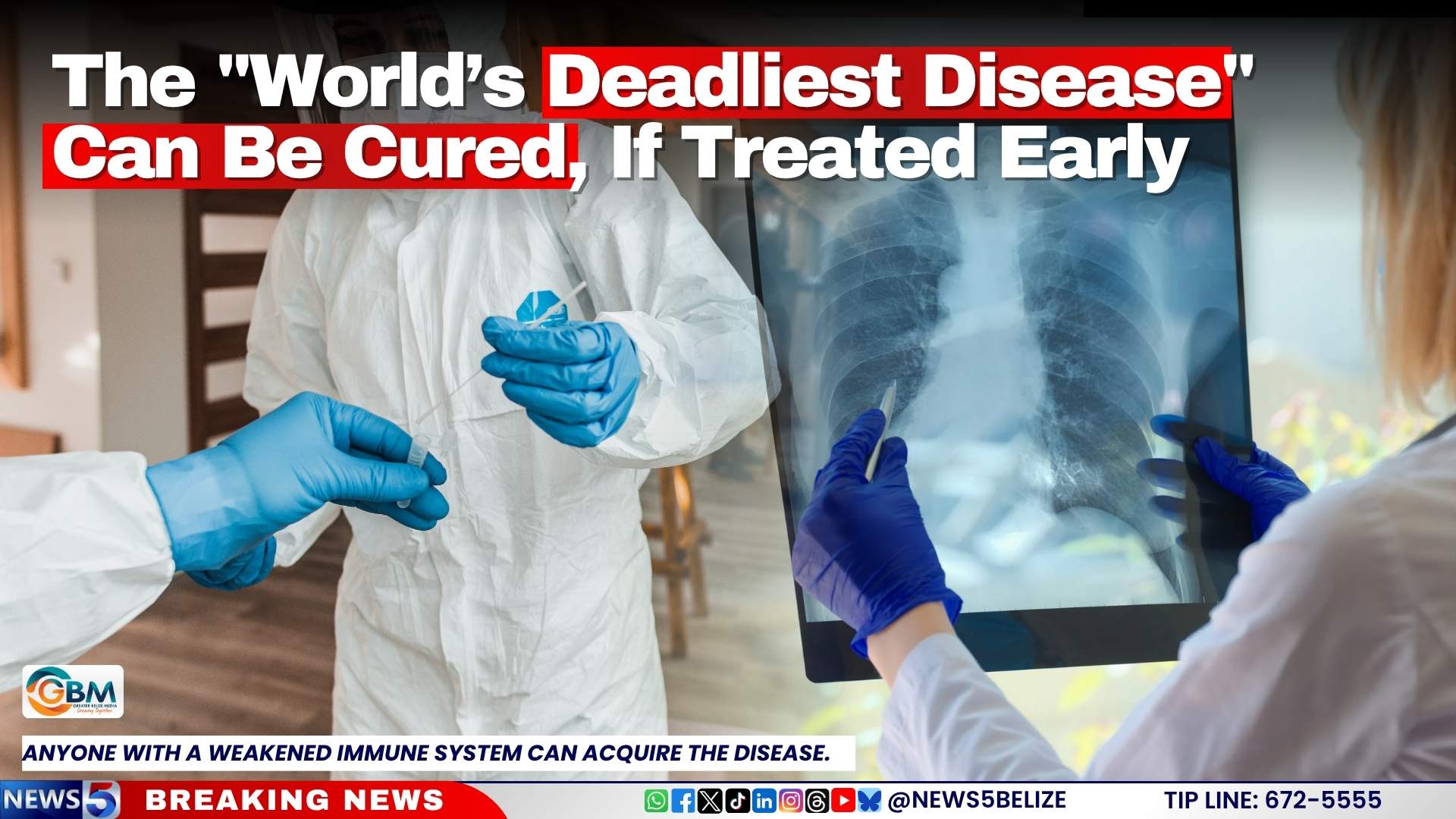
Health authorities are issuing a critical alert regarding tuberculosis (TB), the world’s most lethal infectious disease, which continues to claim lives due to persistent public misconceptions. Despite its classification as a historically significant illness, TB remains an active global health threat that demands contemporary attention.
Medical experts emphasize that tuberculosis is entirely curable when identified during initial stages of infection. Dr. Joshua Canul, Assistant Deputy Director of Belize’s HIV/TB Programme, reports fewer than 100 annual cases in his country, yet notes disproportionate vulnerability among males aged 35-49. This demographic disparity stems from variations in healthcare engagement patterns across gender and age groups.
The bacterial infection primarily targets pulmonary systems but can metastasize to other organs through airborne transmission. Without medical intervention, each infected individual potentially spreads the pathogen to 15-18 contacts yearly. Characteristic symptoms include prolonged coughing episodes exceeding two weeks, accompanied by fever, nocturnal perspiration, and unexplained weight reduction.
Dr. Karen Lewis-Bell of the Pan American Health Organization highlights technological advancements in diagnostics. GeneXpert technology now delivers conclusive results within hours, dramatically accelerating treatment initiation and containing community transmission. This rapid testing simultaneously identifies drug-resistant strains, enabling tailored therapeutic approaches.
While TB maintains its status as the planet’s deadliest infectious disease, officials clarify it doesn’t rank among the most contagious when detected promptly. The medical community identifies social stigma as a substantial obstacle to eradication efforts, particularly since the disease frequently appears in immunocompromised populations including HIV patients. However, physicians stress that any weakened immune system creates vulnerability, and improper treatment inevitably leads to mortality.