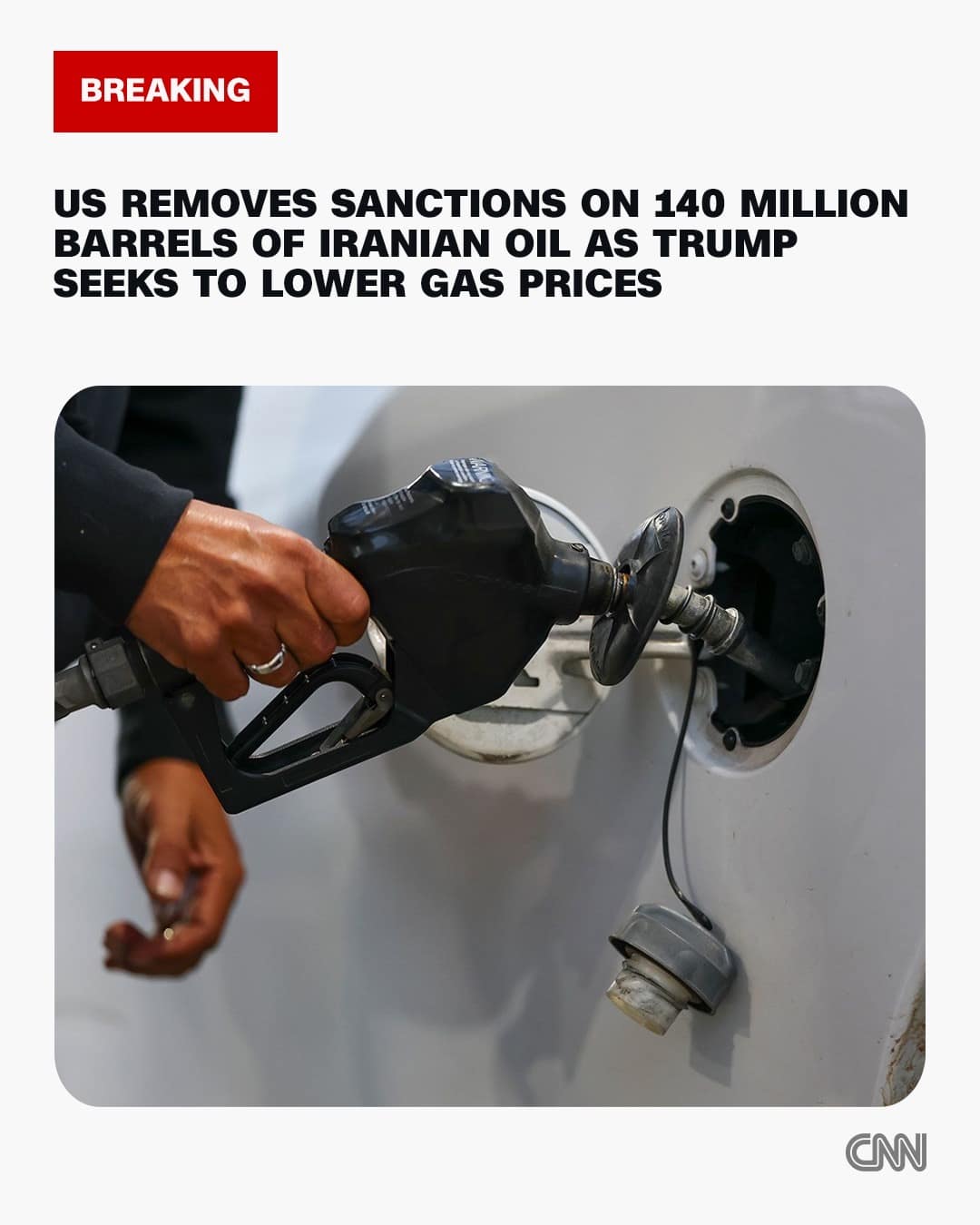
Facing an escalating energy crisis triggered by military conflict with Iran, Trump administration officials are urgently pursuing all available avenues to secure global oil supplies—even considering the controversial step of temporarily lifting sanctions on their adversary. Three weeks into the ongoing conflict, the administration’s conventional policy tools have proven inadequate against skyrocketing oil and gas prices that officials privately believe could persist for months.
The strategic closure of the Strait of Hormuz and intensifying Middle Eastern hostilities have created what energy experts describe as the most significant oil market disruption imaginable. Former Trump Energy Department official Neelesh Nerurkar noted, ‘The shortfall is so substantial that existing mitigation measures are dwarfed by the volume of oil not reaching global markets.’
Despite deploying hundreds of millions of barrels from strategic reserves, easing select sanctions on Russian oil, and accelerating domestic crude flows, the administration’s efforts have failed to curb the price surge. Brent crude reached $112 per barrel recently—approaching three-and-a-half-year highs—while U.S. gasoline prices neared a $4 per gallon national average.
The proposed solution involves temporarily authorizing the purchase of approximately 140 million barrels of Iranian oil currently stationed at sea, primarily targeting allies including India, Japan, Thailand, and Vietnam. Treasury Secretary Scott Bessent characterized this move as ‘using Iranian barrels against Tehran’ to maintain price stability during Operation Epic Fury.
This approach creates a paradoxical situation where the U.S. simultaneously militarily engages Iran while enabling its economic benefit. Administration officials rationalize that China would likely purchase these barrels regardless of sanctions, and redirecting them to allies provides temporary market relief while theoretically limiting Iran’s financial access.
However, energy analysts note the relative insignificance of this volume—equivalent to merely one-and-a-half days of global consumption—suggesting any price impact would be短暂. Eurasia Group analyst Gregory Brew observed that after this offshore oil is depleted, the administration may face pressure to consider broader sanctions relief.
The White House maintains that all options remain under consideration to address short-term disruptions, with spokeswoman Taylor Rogers predicting that ‘once military objectives are completed, oil and gas prices will drop rapidly again.’ Meanwhile, President Trump has dismissed concerns about prolonged energy price impacts, describing them as ‘short-term pain’ justified by national security objectives, while offering no concrete timeline for resolving the critical Hormuz Strait blockade.