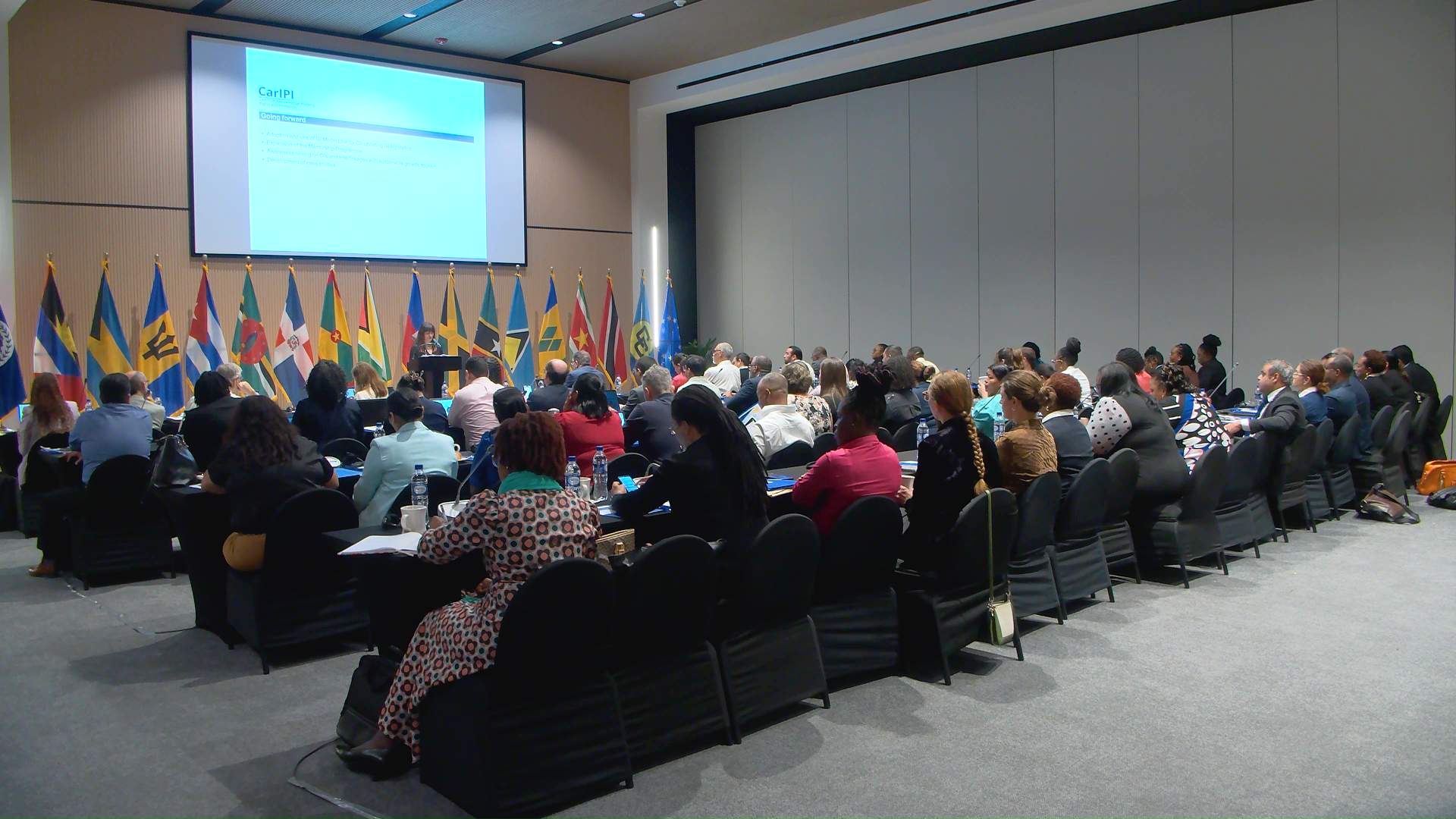
Belize has emerged as the focal point for a transformative Caribbean economic initiative this week, hosting regional leaders and European Union officials for the launch of the second phase of the groundbreaking CarIPI project. This strategic gathering marks a significant shift in economic development strategy, with participants exploring how enhanced intellectual property frameworks can catalyze regional prosperity.
The comprehensive three-day workshop, building upon a four-year initial phase that commenced in 2019, represents a concerted effort to modernize and harmonize intellectual property systems across CARIFORUM nations. According to Kay King, Deputy Registrar of BELIPO, the current phase commenced in April 2025 and will extend through a forty-eight month implementation period.
Central to the initiative is the introduction of a Geographical Indication mentorship program, providing Belizean producers with unprecedented networking opportunities and specialized knowledge about GI protections. This development coincides with Belize’s anticipated passage of its Geographical Indication Bill, which is currently awaiting Cabinet approval to become formal legislation.
The final day of proceedings focused on international intellectual property integration, particularly examining the practical implementation of key treaties including the Madrid System for international trademark registration, the Lisbon Agreement for appellations of origin, and the Hague Agreement governing industrial design protection.
Beyond legal frameworks, the project addresses tangible economic benefits by establishing protective mechanisms for culturally significant products such as Saint Lucia’s distinctive rum production and Trinidad and Tobago’s iconic steelpan instruments. This approach transforms traditional cultural assets into legally protected economic commodities with enhanced global market potential.
The regional consensus indicates that intellectual property reform represents far more than bureaucratic procedure—it constitutes a fundamental restructuring of economic strategy that empowers local entrepreneurs, safeguards cultural heritage, and creates sustainable revenue streams through formalized recognition of Caribbean innovation and creativity.