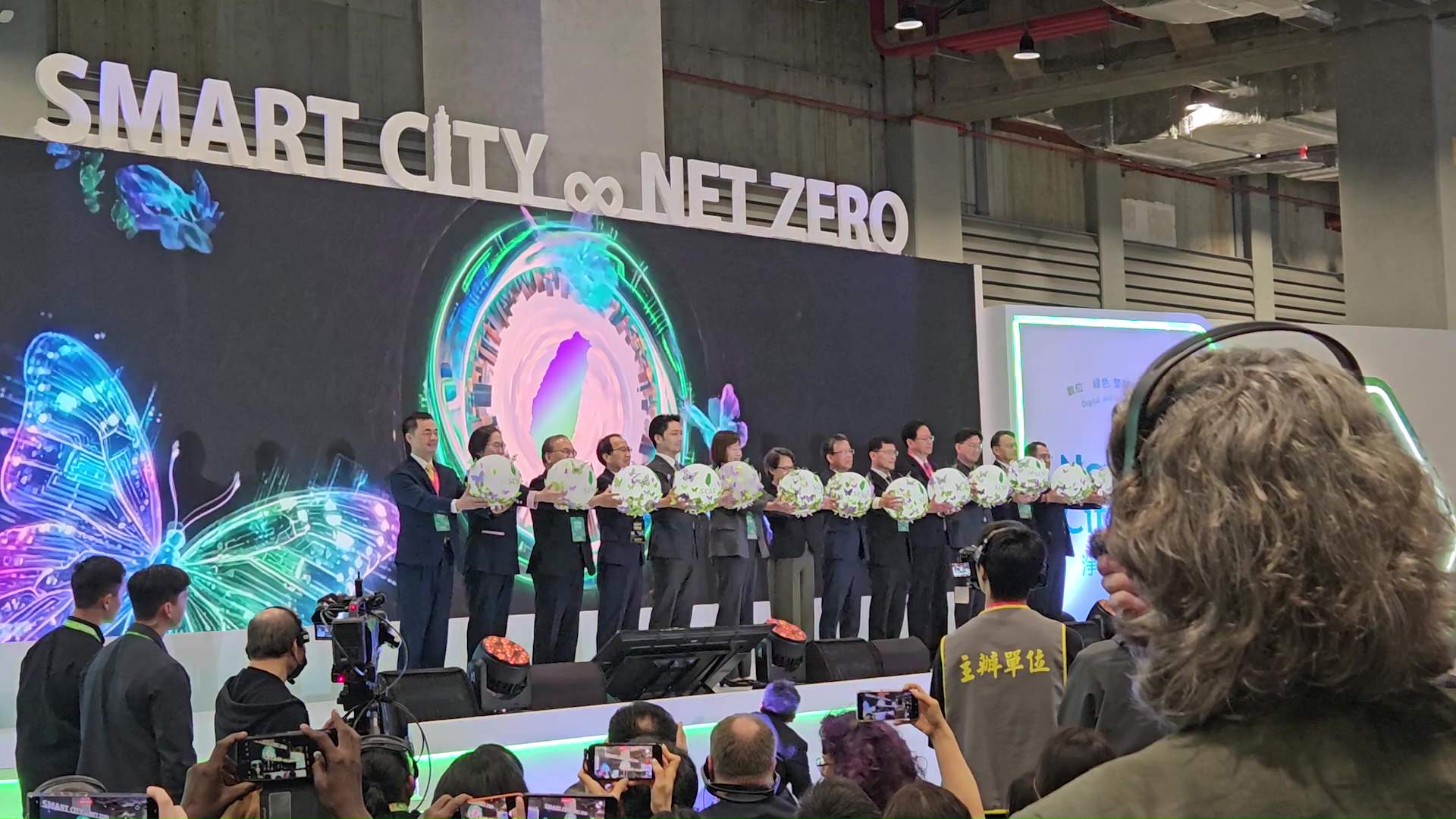
Taipei has transformed into a global innovation hub this week as it hosts the concurrent Smart City Summit & Expo 2026 and Net Zero City Expo, attracting thousands of urban planners, technologists, and government officials from 174 cities across 53 nations. The event demonstrates how artificial intelligence is evolving from conceptual technology to practical urban infrastructure that could redefine municipal management worldwide.
The exhibition floor buzzes with cutting-edge demonstrations: autonomous traffic management systems that prevent congestion before it forms, drone swarms monitoring construction sites in real-time, and predictive emergency response networks that dispatch services before incidents are reported. These technologies represent a fundamental shift toward cities that continuously calculate, respond, and adapt to their inhabitants’ needs.
Albert Lee, spokesperson for SCSE 2026, emphasized the strategic vision: “We’re positioning Taipei as the capital of the future, where AI and technological development are central to urban planning. This year we’ve particularly focused on demonstrating how municipal governments can integrate AI development into their operations.”
Among the international delegations exploring these innovations, Belize’s presence stands out. Belmopan Mayor Pablo Cawich, attending as a special invitee of Taipei Mayor Chiang Wan-an, returned for his second year seeking implementable solutions. “My previous visit enabled me to initiate new systems we’re now pushing in Belmopan,” Cawich noted. “I’m here to identify additional technologies that could benefit our municipalities.”
The expo highlights both high-cost infrastructure projects and accessible technologies like generative AI that developing nations could implement relatively affordably. Lee specifically addressed Belize’s potential participation: “If the Belize government is interested in our practices, we welcome collaboration and knowledge transfer.”
Despite the technological promise, implementation challenges remain. Mayor Cawich acknowledged that infrastructure readiness, digital system development, and public acceptance represent significant hurdles: “The country is ready; it’s people who resist change. We must demonstrate benefits and maintain hope that citizens will embrace these systems as we move forward.”
Over the four-day event, more than seventy forums will explore the intersection of artificial intelligence and sustainable urban development, positioning Taipei as both demonstration site and international partner in the global smart city movement.