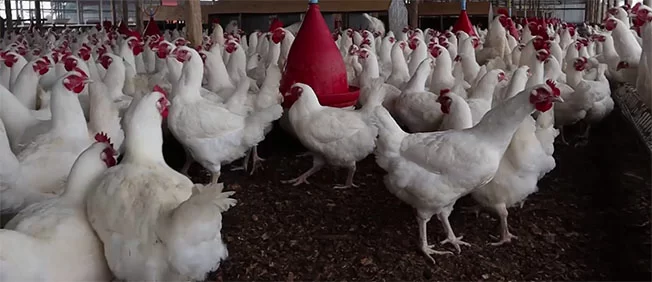
The Ministry of Agriculture, Livestock, and Fisheries (LVV) in Suriname has successfully concluded its inaugural training program for novice poultry farmers, marking a significant step toward enhancing domestic poultry production and decreasing the nation’s dependence on imported goods. This comprehensive initiative received overwhelmingly positive feedback from participants who gained both theoretical knowledge and practical experience in various aspects of poultry farming.
The training curriculum covered essential components including housing construction, nutritional requirements, animal care practices, poultry anatomy, common disease management, and fundamental administrative skills. Beyond classroom instruction, the program incorporated hands-on activities and field visits, enabling participants to immediately apply their newly acquired knowledge in real-world settings.
Acting Director of Livestock Gerald Tjon A San emphasized the critical role of knowledge transfer in sectoral development, stating that the primary objective is to expand Suriname’s poultry industry to reduce reliance on imported products. Participants confirmed the practical value of the training, with attendee Orlando Cairo specifically noting enhanced understanding of coop construction and disease prevention through proper hygiene practices. Cairo expressed intentions to pursue poultry farming collaboratively with fellow graduates.
Another participant, Ingrid Jandini, highlighted how the program established a solid foundation for aspiring sector entrants, noting that LVV provided valuable tools for entrepreneurial development and contribution to local food production. The ministry plans to expand these training initiatives across all districts and regions, with Minister Mike Noersalim particularly encouraging youth and interested individuals to leverage these educational opportunities.
Minister Noersalim emphasized the significant opportunities poultry farming presents for agricultural entrepreneurs, stating that increased participation in production will contribute to a strengthened agricultural sector and more sustainable food security for Suriname.