In a significant geopolitical shift, Ukraine has positioned itself as a critical defense partner for the United States and Gulf nations following a formal request for assistance against Iranian retaliatory strikes. The development comes after Washington, which had suspended military aid to Kyiv under the Trump administration, sought Ukrainian expertise in protecting its bases across the Gulf region.
Andriy Kovalenko, head of Ukraine’s Center for Countering Disinformation, revealed the formal request on March 6th. President Volodymyr Zelensky responded by announcing the deployment of military experts to the Gulf two days later, followed by chief negotiator Rustem Umerov’s mission to sell Ukrainian interception drones to regional partners on March 9th.
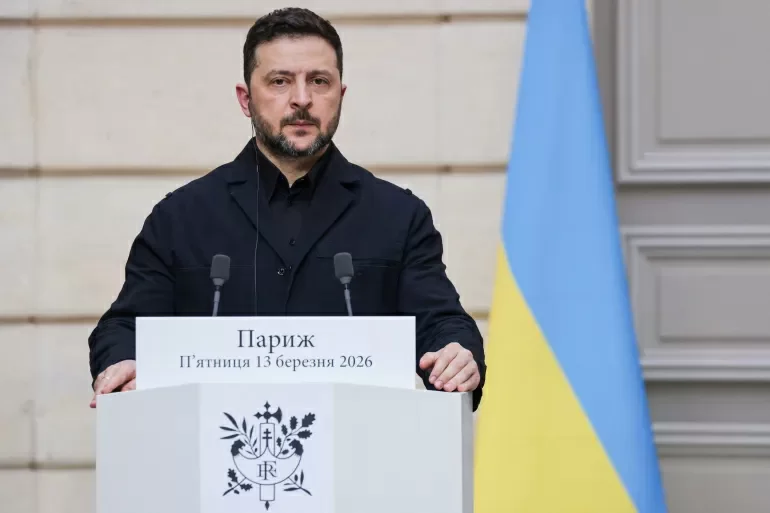
Zelensky confirmed that the U.S. and more than ten European and Middle Eastern countries have approached Ukraine seeking support for their defensive capabilities. “Those now asking for Ukraine’s help must continue supporting our own defense,” Zelensky stated, emphasizing that regional stability directly benefits Ukrainian security interests.
The strategic partnership offers multiple advantages for Kyiv. According to Washington Post reports from March 6th, Russia’s alleged cooperation with Iran in targeting American interests could help Ukraine shift Washington’s perception of Moscow. Additionally, Ukraine’s drone warfare expertise addresses a critical need for Gulf states, who have been using expensive Patriot interceptors against inexpensive Iranian drones.
General Ben Hodges, former commander of U.S. forces in Europe, questioned the efficiency of such defense tactics: “Why use Patriots against Shahed drones? There are technologies Ukrainians have developed that are better for intercepting drones.”
The cooperation also carries significant economic implications. With Iran disrupting oil shipments through the Strait of Hormuz, global oil prices have surged approximately $20 since the conflict began. This price increase has paradoxically benefited Russia, with Financial Times estimating Moscow has already received $1.3-1.9 billion in oil export taxes. India’s imports of Russian oil have increased by 50%, with 30 tankers carrying 19 million barrels awaiting Asian buyers as of March 13th.
Ukraine’s defense capabilities have been honed through extensive experience. Defense Minister Mykhailo Fedorov revealed that Ukrainian forces intercepted 90% of 1,250 Russian-launched drones and more than half of 34 missiles in recent operations. The country is now automating drone feedback systems through its Mission Control command system, enabling real-time operational tracking and data-driven procurement decisions.
In a demonstration of its growing capabilities, Ukraine successfully struck the Kremniy El microchip factory in Bryansk on March 10th using Storm Shadow/SCALP missiles reportedly guided by drones—marking a significant advancement in precision strike capabilities.