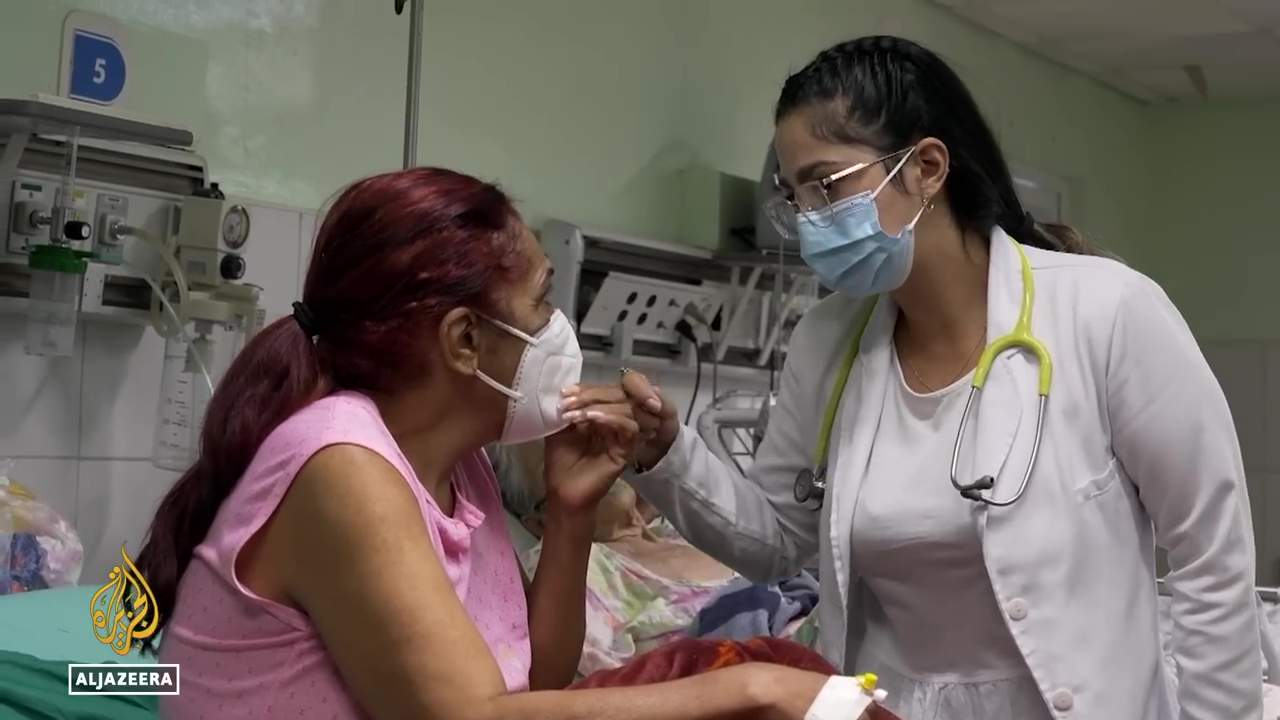
The future of Belize’s vital healthcare collaboration with Cuba hangs in the balance as confidential diplomatic discussions unfold amid growing regional pressures. For decades, the Cuban Medical Brigade has served as a cornerstone of Belize’s healthcare system, but this longstanding partnership now faces unprecedented uncertainty.
Prime Minister John Briceño has confirmed that “delicate negotiations” are currently underway regarding the medical program, though he declined to specify which parties are involved or what potential changes might be implemented. This unusual silence from government officials coincides with broader regional trends, as multiple Latin American nations reduce their reliance on Cuban medical personnel—a strategic shift widely interpreted as responding to intensified diplomatic pressure from the United States.
The timing of these negotiations proves particularly consequential given Cuba’s escalating humanitarian crisis, which adds complex dimensions to the ongoing discussions. The Caribbean nation’s domestic challenges potentially impact its capacity to maintain international medical missions while addressing internal healthcare needs.
Belizean citizens and healthcare professionals await clarity regarding whether these confidential talks will fundamentally alter the country’s medical infrastructure. The potential restructuring of this decades-old partnership could necessitate significant adjustments to Belize’s national healthcare strategy, potentially creating staffing gaps in remote and underserved communities that have historically depended on Cuban medical expertise.