Belize has initiated a significant environmental and tourism development project targeting its protected marine areas. The Turneffe Atoll Marine Reserve, located approximately twenty miles from the Belizean coast, has become the focal point of the newly launched Tourism Enhancement in Protected Areas Program.
This collaborative initiative, spearheaded by the Belize Tourism Board and the Protected Areas Conservation Trust, aims to fund critical infrastructure upgrades and conservation activities across three of the nation’s protected zones. Turneffe Atoll, recognized as one of Belize’s most vital marine ecosystems, now stands at the forefront of efforts to balance environmental preservation with sustainable tourism development.
Key stakeholders recently conducted site visits to multiple locations within the reserve to identify specific areas for improvement. The Turneffe Atoll Sustainability Association (TASA), which co-manages the marine reserve, plays a central role in implementing these enhancements.
According to Valdemar Andrade, Executive Director of TASA, the program represents a crucial advancement for the reserve. “These funds are both highly sought-after and essential for our operations,” Andrade stated. “The ultimate objective is to establish self-sustaining revenue generation mechanisms while preserving our natural heritage.”
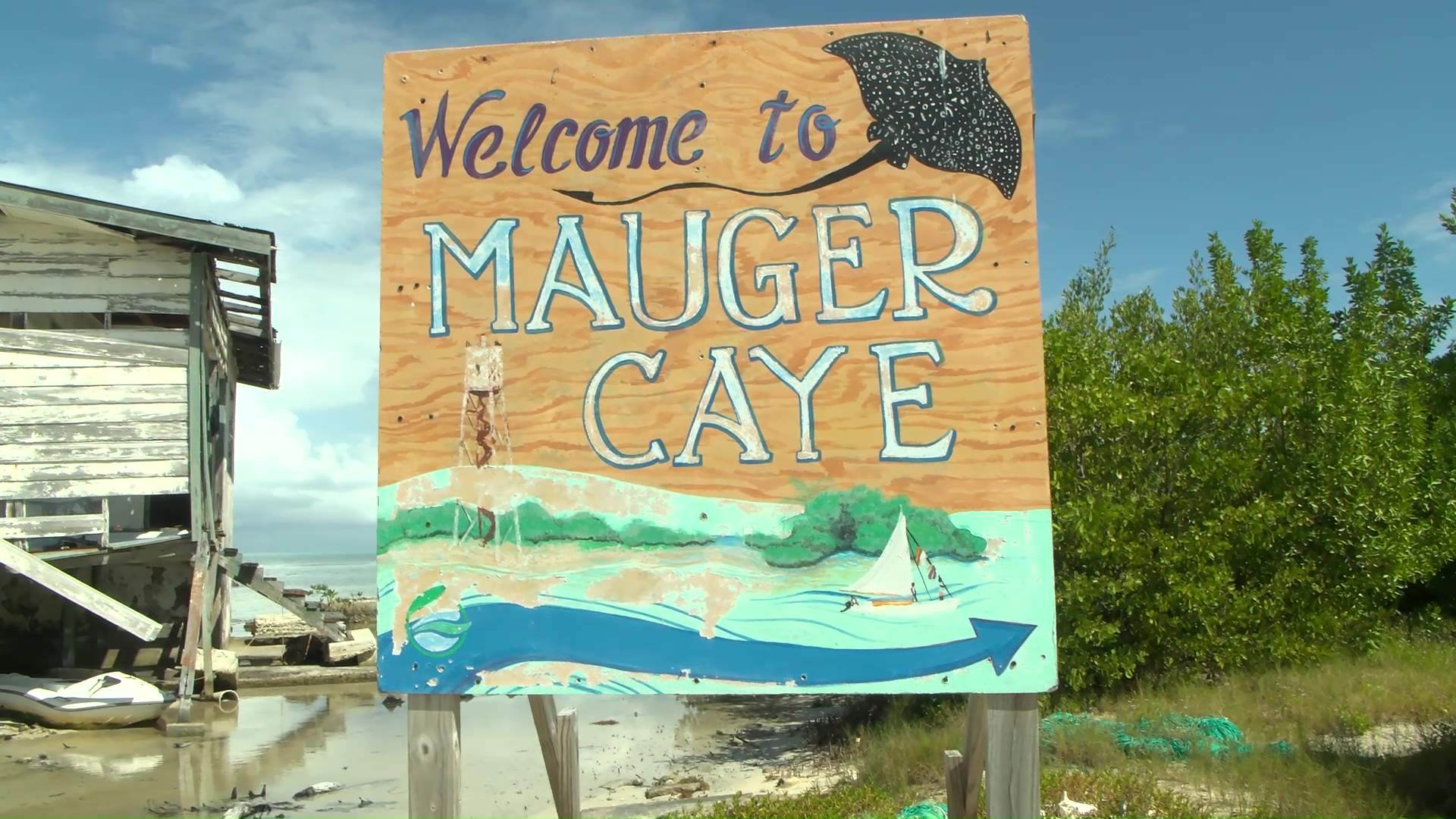
The enhancement project includes substantial infrastructure developments across three key cayes within the reserve. Mauger Caye will receive a new pier facility to improve visitor accessibility, allowing tourists to disembark safely and utilize recreational amenities including dining facilities. At Calabash Caye, the program will fund a dedicated visitor center where guests can congregate, participate in educational programs, and learn about conservation efforts through curated “blue talks” and informational materials.
Caye Bokel will benefit from upgrades to conservation outposts while simultaneously creating opportunities for visitors to observe and understand ongoing preservation work. This integrated approach aims to transform tourists into conservation ambassadors by demonstrating the importance of marine ecosystem protection.