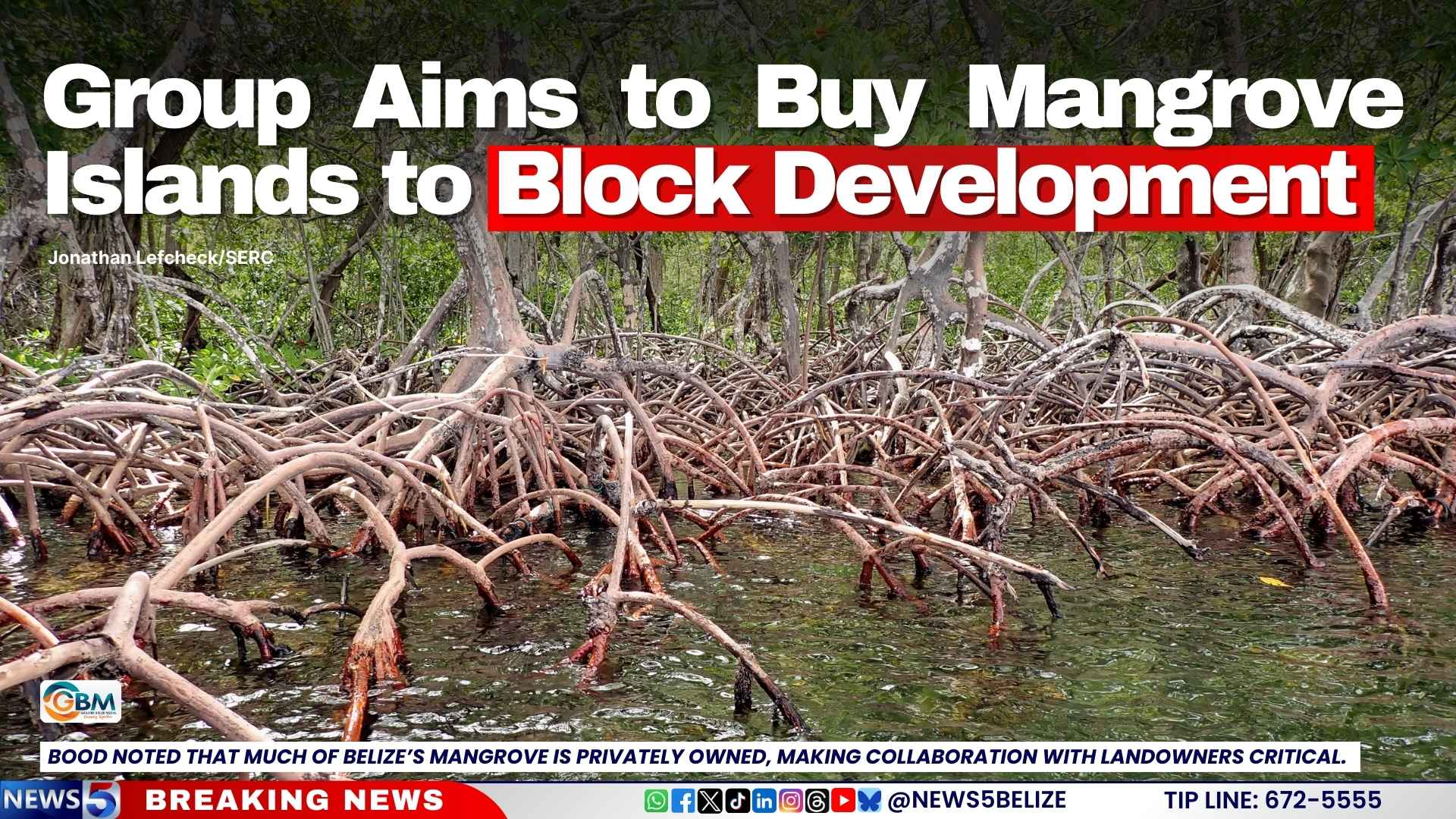
In an innovative approach to environmental conservation, the citizen-led initiative Mangrove Guardians has launched an ambitious campaign to purchase vulnerable mangrove ecosystems across Belize. The organization aims to permanently shield these critical coastal habitats from commercial development through direct land acquisition.
The movement emerges as a response to escalating pressure from tourism infrastructure projects that increasingly encroach upon mangrove territories. “We’ve witnessed developers arriving with substantial financial resources and grand promises, while local communities face gradual displacement from their coastal environments,” stated a representative from the grassroots collective.
Mangrove ecosystems serve as indispensable natural barriers against tropical storms and coastal erosion, providing vital protection for shoreline communities. Their intricate root systems stabilize coastlines while supporting exceptional biodiversity. Despite these ecological benefits, construction projects continue to transform these wetlands into resort facilities and hotel complexes.
Nadia Bood, Senior Programme Officer at the World Wildlife Fund (WWF), emphasized the concerning trend: “Numerous hotels and resorts are currently being constructed within mangrove areas. The clearing and filling processes dramatically increase vulnerability for all coastal residents while degrading irreplaceable ecosystems.”
The WWF has been pursuing collaborative conservation strategies, working with private landowners and real estate professionals to promote sustainable development practices. Bood noted that approximately 80% of Belize’s mangroves exist on private property, making cooperative approaches essential. “There are methods to develop areas aesthetically and functionally without completely destroying the ecosystem,” she explained.
The Mangrove Guardians’ acquisition strategy represents a more direct conservation model. By obtaining land titles outright, the organization can establish permanent conservation reserves immune to future development proposals. Bood endorsed this approach, stating: “Any action that helps conserve existing mangroves constitutes a significant advantage—a win-win scenario for both environmental protection and national interests.”
The initiative highlights growing tensions between economic development and environmental preservation in coastal regions, demonstrating how community-driven conservation efforts are evolving to address ecological challenges through innovative ownership models.