Suriname’s Attorney General has formally requested the National Assembly to initiate criminal proceedings against three former government ministers, exposing fundamental flaws in the country’s legal framework for prosecuting political officials. The targeted individuals include former Finance Minister Gillmore Hoefdraad, ex-Public Works Minister Riad Nurmohamed, and former Interior Minister Bronto Somohardjo.
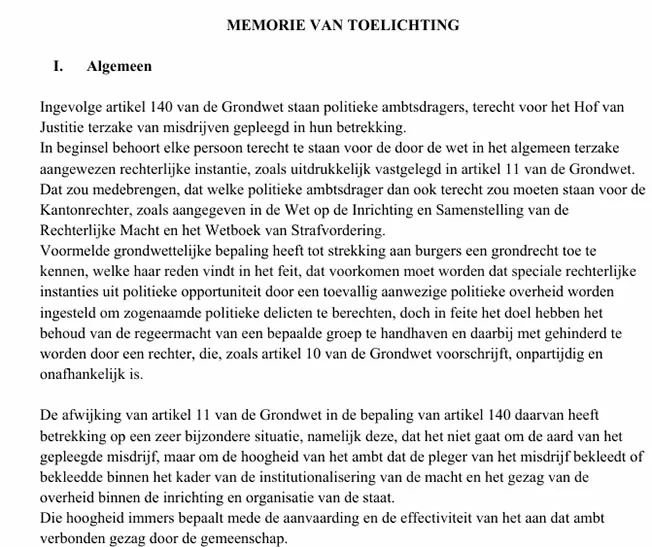
The requests have ignited a constitutional debate surrounding the Law on Charging and Prosecuting Political Office Holders (WIPA), which mandates parliamentary approval before judiciary proceedings can commence against sitting or former government officials. This unique legislation effectively grants politicians veto power over criminal investigations that would proceed automatically in standard judicial systems.
Legal analysts note that WIPA fundamentally alters the separation of powers by requiring political consensus before the justice system can exercise its authority. Rather than evaluating evidence sufficiency—a responsibility that properly belongs to prosecutors and judges—parliamentarians must determine whether prosecution might “disrupt the political system” or “undermine social tranquility.”
The case of former Minister Hoefdraad demonstrates the law’s susceptibility to political manipulation. An initial prosecution request was rejected in 2020 when his party held legislative majority, only to be approved after electoral changes produced a new governing coalition. Notably, Hoefdraad has since been convicted by the Court of Justice, yet his attorney recently petitioned parliament to retroactively invalidate the prosecution authorization.
One of the currently targeted officials, Somohardjo, has publicly welcomed prosecution, asserting confidence that no evidence exists against him. While seemingly principled, his stance highlights the systemic problem: elected officials rather than judicial authorities determine investigatory permissions.
The law’s theoretical justification—protecting high-ranking officials from politically motivated prosecutions—has produced the opposite effect in practice. By injecting political considerations into judicial processes, WIPA has created precisely the politicized justice system that rule-of-law principles seek to prevent.
Legal experts argue that the legislation establishes a two-tier justice system where prosecution depends on electoral outcomes and coalition dynamics rather than legal merit. This framework contradicts fundamental democratic principles requiring equality before the law and independent judiciary proceedings free from political interference.