In a comprehensive address to the House of Representatives, Prime Minister John Briceño presented Belize’s fiscal outlook for the 2026-2027 financial year, highlighting both significant economic achievements and ongoing challenges. With two weeks remaining before the new fiscal cycle begins, the Prime Minister delivered an extensive analysis spanning one hour and forty minutes, covering critical aspects of the nation’s economic landscape.
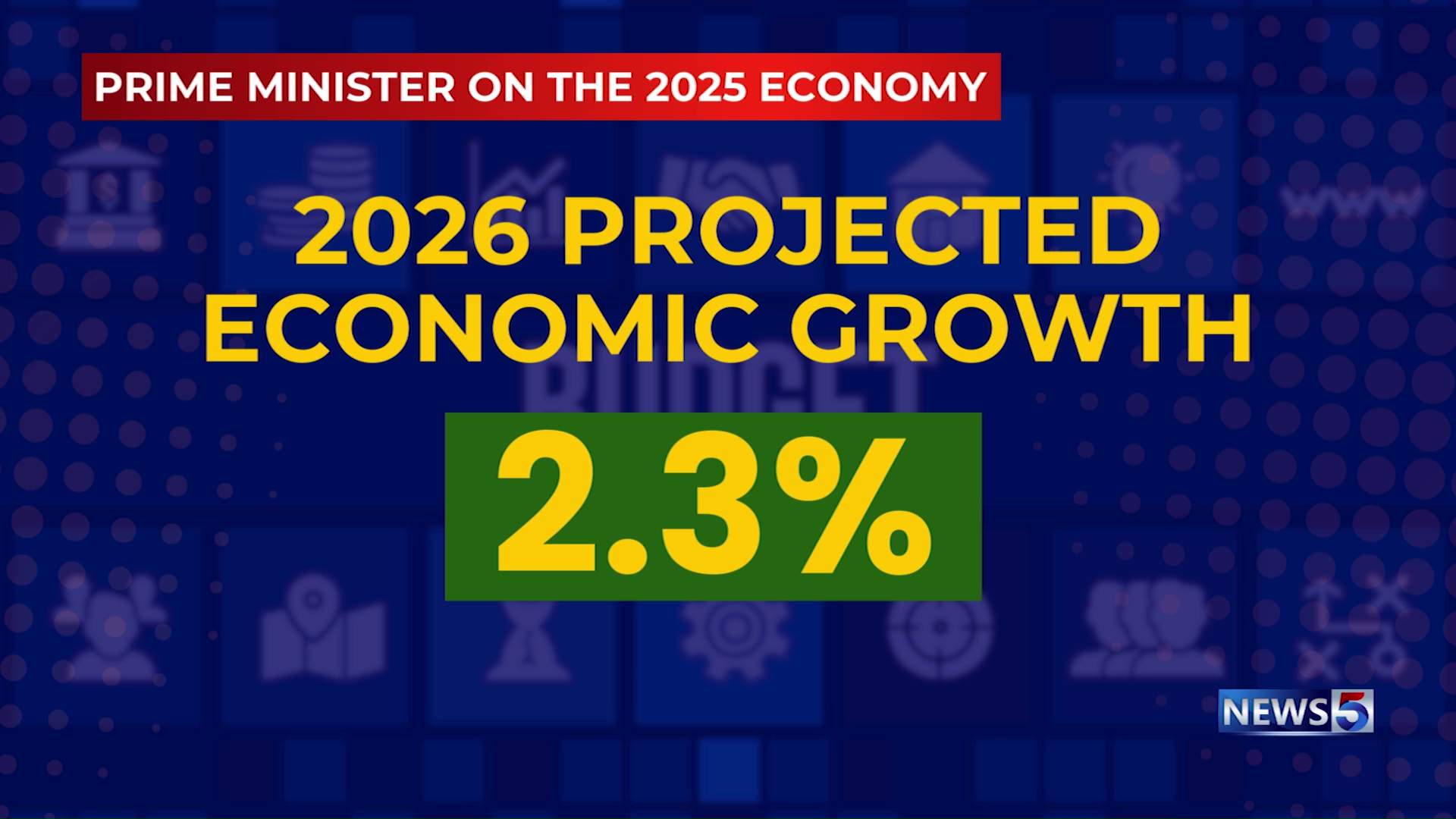
The government’s expenditure for the concluding 2025 fiscal year reached approximately $1.68 billion, representing 24.1% of Gross Domestic Product. Education received the largest allocation, followed closely by national security investments. Belize’s economy demonstrated robust performance with 1.9% growth in 2025 and projected expansion of 2.3% for the upcoming year.
Employment metrics reached historic milestones, with unemployment plummeting to a record low of 2%. Remarkably, 98% of job seekers successfully secured employment, driven primarily by growth in service industries and tourism sector expansion. The Belize dollar maintains its stable 2:1 peg against the US currency, supported by substantial Central Bank reserves exceeding $1.1 billion and commercial bank external assets totaling $737.5 million.
Despite these positive indicators, the administration acknowledges persistent challenges regarding cost of living pressures. Inflation decreased significantly to 1.1% in 2025 from previous highs of 6.3% in 2022, yet household budgets continue experiencing strain across the nation.
The debt portfolio presents a substantial challenge at $4.676 billion, equivalent to 66.6% of GDP. External obligations constitute 64% of this amount ($2.984 billion), while domestic debt accounts for the remaining 36% ($1.692 billion). The government has allocated over $300 million for debt servicing in the coming year, including $189.1 million in interest payments and $140 million toward principal reduction.
For the 2026-2027 budget, projected revenues approach $1.8 billion, marking a 10% increase from the previous year. Expenditure is set at $1.92 billion, with $1.296 billion allocated to recurrent spending and $606.8 million designated for capital investments—the highest capital allocation in the nation’s history. Public service wages and pensions constitute 60% of recurrent expenditure at $780 million, representing 11.7% of GDP and ranking among the region’s highest public sector compensation ratios.