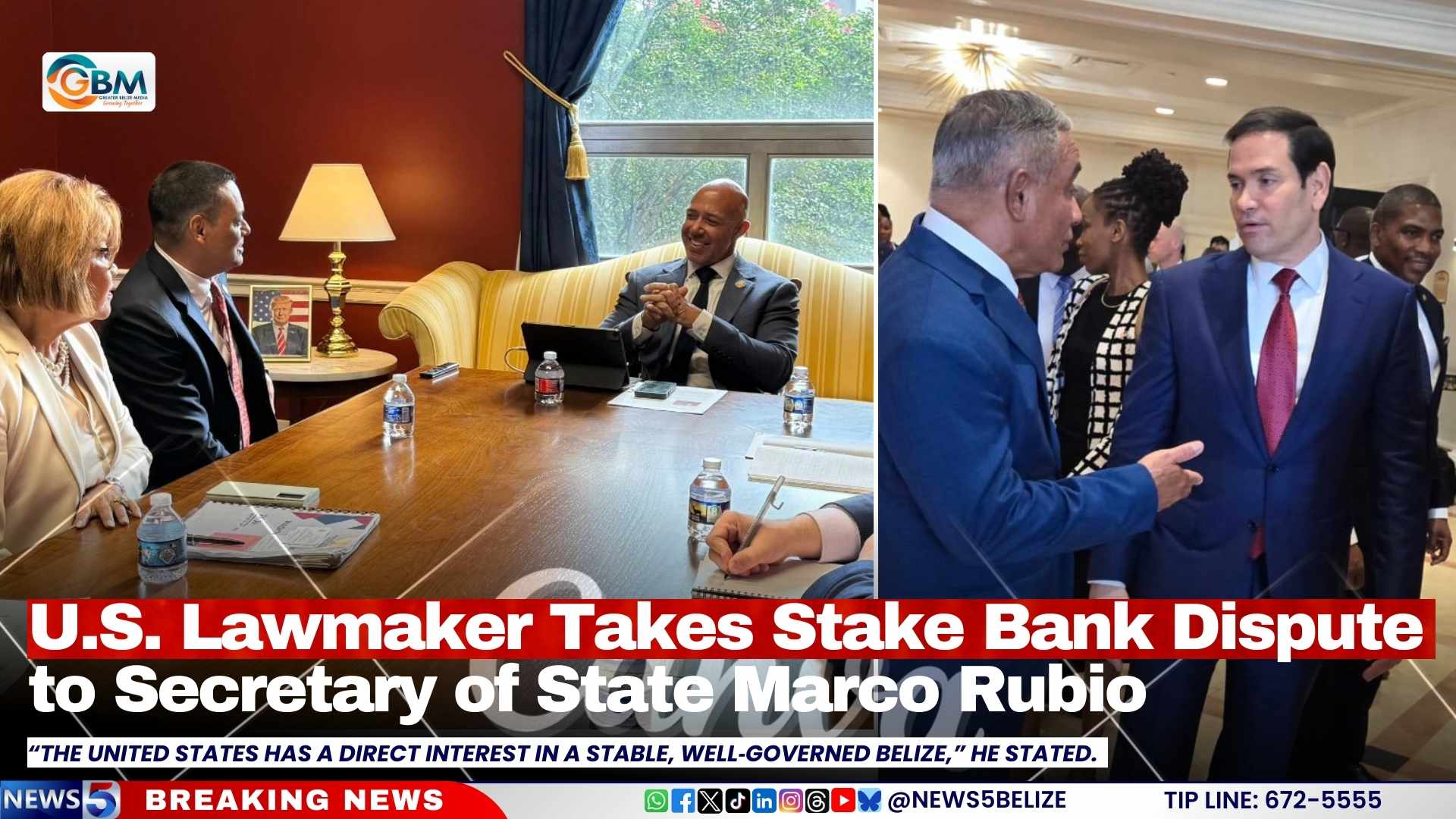
In a significant diplomatic move, Chairman Brian J. Mast of the U.S. House Foreign Affairs Committee has formally requested Secretary of State Marco Rubio to conduct an official assessment of Belize’s investment climate and rule of law standards. The March 10, 2026 communication highlights growing concerns about systemic governance issues potentially affecting American business interests in the Central American nation.
While acknowledging Belize’s status as a democratic ally, Mast’s detailed letter identifies multiple areas of concern including allegations of undue political influence, corruption impediments, and problematic judicial backlogs. The correspondence specifically references the protracted Stake Bank Island cruise port project, where ownership disputes and compulsory acquisition proceedings have remained unresolved for years.
Beyond individual investment cases, the lawmaker outlined broader governance deficiencies including delayed Auditor General reports on government expenditures, parliamentary reviews falling years behind schedule, and chronically under-resourced courts resulting in frequent case adjournments. Mast emphasized that these collective issues warrant particular attention from U.S. diplomatic channels.
The intervention carries geopolitical significance as Belize remains one of the few nations maintaining official recognition of Taiwan rather than China. Mast cautioned that governance weaknesses could potentially create openings for expanded Chinese influence in the region, making Belize’s stability a matter of strategic American interest.
The Feinstein family, original developers of the Stake Bank project, welcomed the congressional involvement, characterizing it as a elevation of their dispute from private matter to subject of U.S. foreign policy oversight. This development signals increasing Washington scrutiny of investment protection mechanisms in bilateral relations with Caribbean partners.