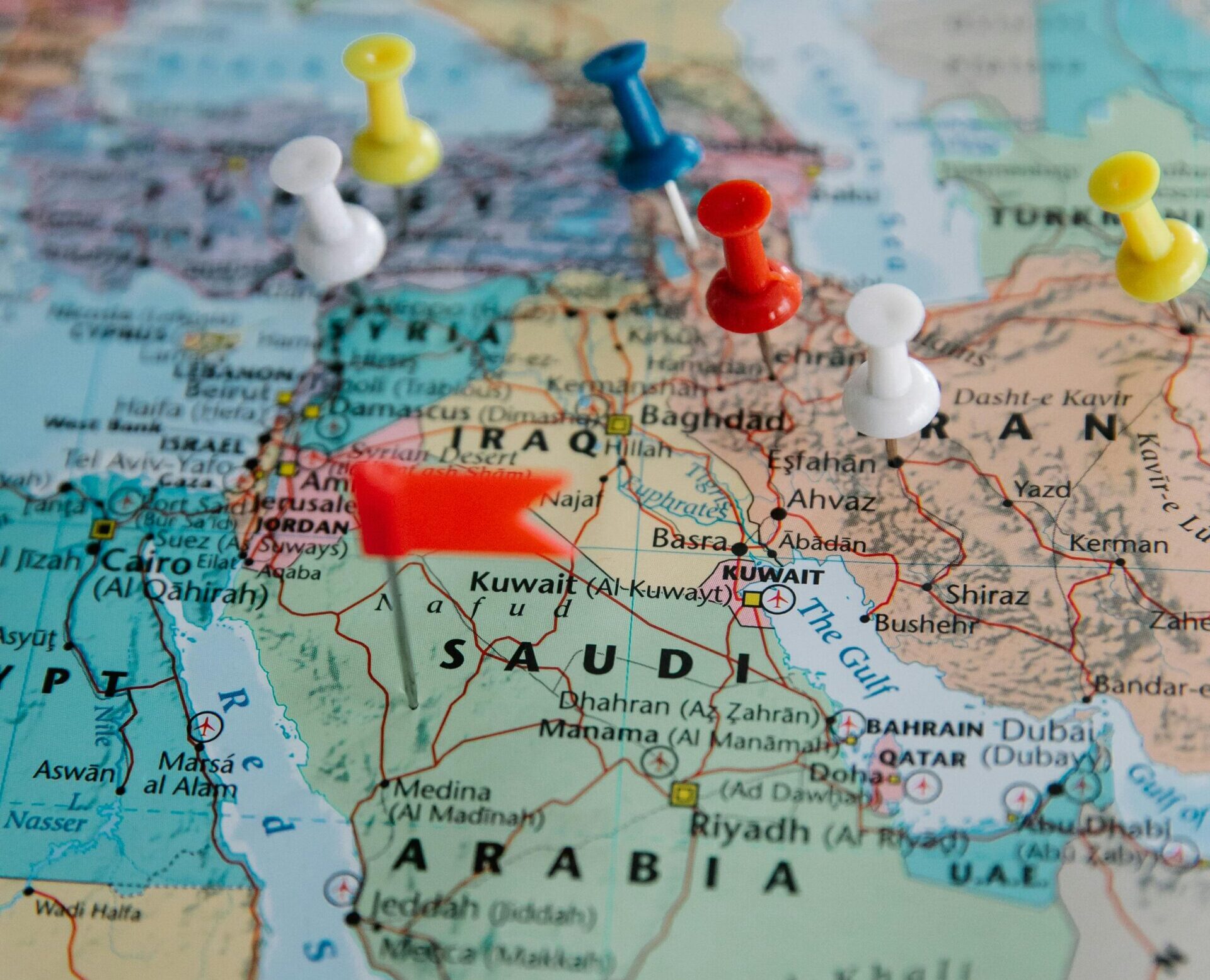
The Middle East has plunged into a dangerous escalation of hostilities following Iran’s coordinated military strikes against American installations throughout Gulf Arab nations. This aggressive action represents Tehran’s direct retaliation for a large-scale joint offensive conducted by the United States and Israel against Iranian targets.
Iran’s Islamic Revolutionary Guard Corps (IRGC) claimed responsibility for targeting multiple locations across Bahrain, Kuwait, Qatar, and the United Arab Emirates on Saturday. Particularly significant were the strikes on UAE airbases housing U.S. forces. The Fars news agency reported the IRGC’s declaration that all Israeli and American military sites throughout the Middle East were struck by “powerful blows of Iranian missiles.”
The IRGC issued an uncompromising warning that operations would continue “relentlessly until the enemy is decisively defeated,” explicitly designating all U.S. regional assets as legitimate targets. Iranian officials presented their actions as justified self-defense, with Deputy Foreign Minister Hamid Ghanbari expressing regret over potential civilian casualties while asserting Iran’s right to protect itself.
Diplomatic channels saw activity as Foreign Minister Abbas Araghchi communicated Iran’s position to the United Nations, affirming Tehran’s determination to exercise self-defense “decisively and without hesitation until the aggression ceases fully and unequivocally.”
The attacks produced varied outcomes across the region. Abu Dhabi reported one fatality from missile strikes, though details remained scarce. Bahrain experienced targeting of the U.S. Navy’s 5th Fleet headquarters in Manama. Kuwait successfully intercepted ballistic missiles aimed at Ali al-Salem Air Base, though the attack resulted in minor injuries and facility damage. Saudi Arabia repelled strikes targeting Riyadh and eastern regions, while Qatar prevented all missiles from reaching their territory.
In Iraq’s Kurdish region, Erbil Airport faced two separate drone attacks, both neutralized by air defenses. Southwest of Baghdad, a strike on Kataeb Hezbollah headquarters killed two individuals, prompting the armed group to threaten retaliatory attacks on American bases.
The regional consequences extended beyond immediate military impacts. Multiple Gulf nations temporarily closed their airspace, while shipping operations received notices about potential closure of the strategically vital Strait of Hormuz—a critical passage for global oil exports.
U.S. President Donald Trump confirmed to Fox News that three American service members died during operations, while claiming significant losses among Iranian leadership. The conflict’s ripple effects reached Israel, where nine fatalities were reported in Beit Shemesh from missile strikes, with civilians remaining on high alert amid ongoing sirens.
BBC News reported Israeli military actions within Tehran itself, with Iranian officials claiming at least 153 casualties, including children, from a strike on a school facility—further intensifying the humanitarian dimensions of the escalating conflict.