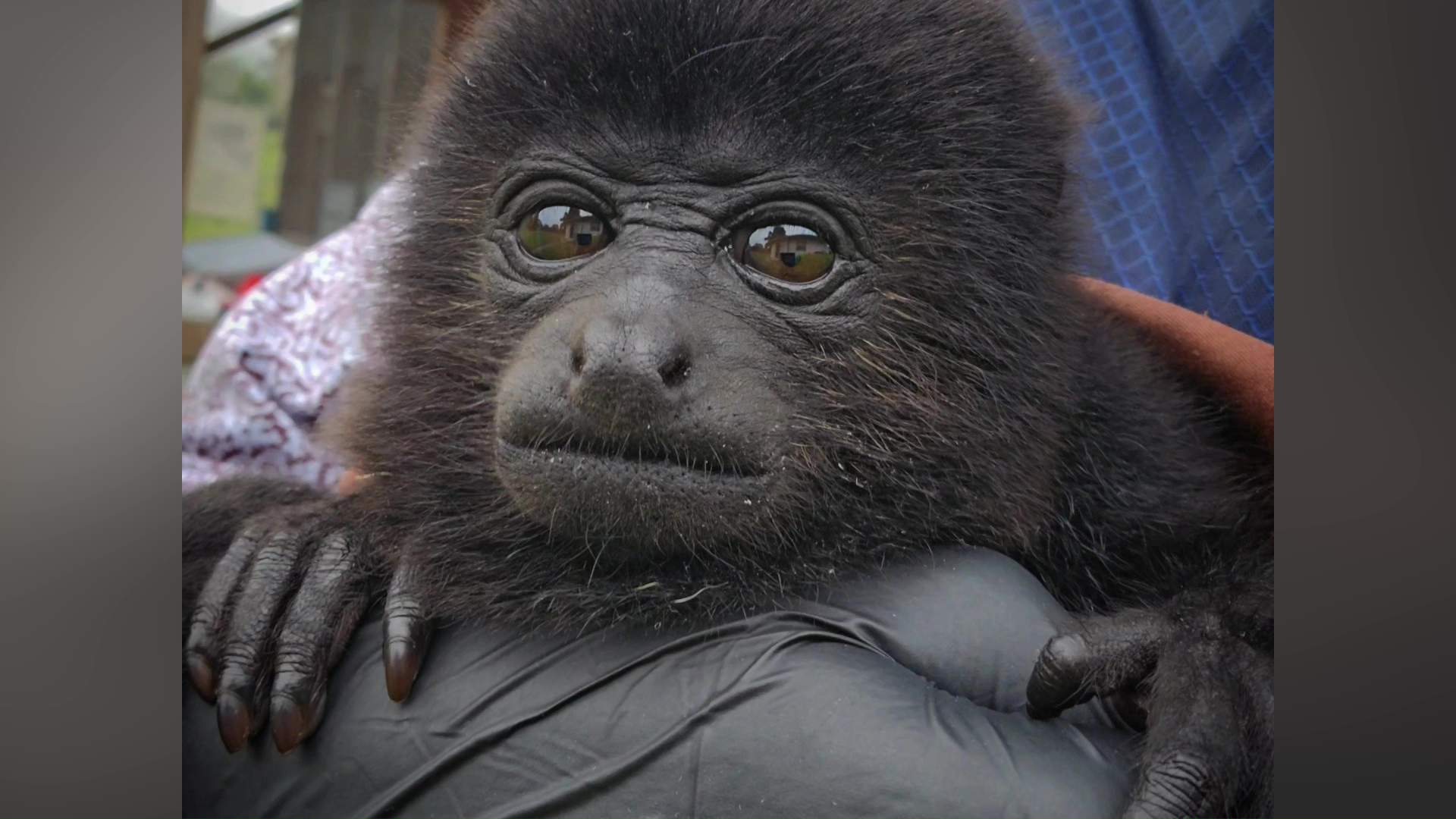
A critically injured infant howler monkey discovered in southern Belize has reignited concerns about persistent illegal wildlife activities threatening the nation’s primate populations. The weeks-old primate, rescued with both physical trauma and detectable lead concentrations in its system, is currently receiving specialized care at the Belize Wildlife and Referral Clinic.
Wildlife conservationists emphasize this incident represents yet another alarming manifestation of the ongoing threats facing Belize’s non-human primates. The case underscores the urgent need for enhanced public vigilance and intervention to protect vulnerable species from illegal trafficking and habitat disruption.
Giann Vasquez, Wildlife Hotline Coordinator at BWRC, provided detailed context regarding the rescue operation. “We received an emergency call last Saturday concerning this infant monkey, with initial reports suggesting it had fallen from a tree. Given the high risk of unauthorized pet trade, our team immediately deployed to retrieve the animal from the southern region,” Vasquez explained.
Upon initial examination, the primate appeared superficially stable despite a dislocated digit. Subsequent radiographic imaging revealed more sinister findings—trace amounts of lead contamination within its system. This discovery suggests violent extraction methods, as wildlife traffickers typically shoot mother primates with lead ammunition to capture their offspring.
Following stabilization and preliminary care, the infant monkey has been transferred to Wildtracks rehabilitation facility in Sartaneja, which specializes in primate rehabilitation. The complete rehabilitation process, including rearing through all developmental stages and eventual integration into a new social troop, is projected to require approximately seven years of dedicated professional care.