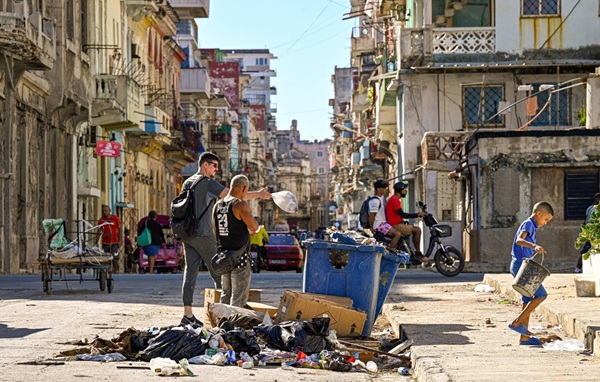
In a significant regional response to Cuba’s escalating humanitarian situation, the Caribbean Community (CARICOM) has committed to delivering urgent assistance to the island nation. The decision emerged from high-level discussions during the recent CARICOM summit, where leaders addressed the compounding effects of intensified United States sanctions on Cuba’s civilian population.
CARICOM Chairman and St. Kitts and Nevis Prime Minister Dr. Terrance Drew confirmed that specific aid modalities would be finalized within approximately one month. “With respect to Cuba and humanitarian efforts, we are going to respond on the humanitarian end in short order within a month,” Dr. Drew stated during the summit’s concluding press conference. The assistance package composition remains under deliberation, with specialized teams evaluating whether critical commodities like fuel will be included in the relief shipment.
The crisis has manifested through severe infrastructure breakdowns across Cuba, including widespread electrical blackouts, accumulating waste management issues, constrained hospital services, critical food supply shortages, and limited international flight operations due to aviation fuel deficiencies. These challenges have intensified following Venezuela’s cessation of oil exports to Cuba after the United States facilitated political changes in Caracas earlier this year.
Simultaneously, CARICOM and United States officials issued a joint communiqué acknowledging the necessity of addressing Cuba’s humanitarian emergency. The statement followed diplomatic talks between Caribbean leaders and U.S. Secretary of State Marco Rubio, indicating potential policy adjustments regarding fuel sanctions that currently restrict shipments to Cuba’s government-controlled sectors.
The regional response carries historical significance given Cuba’s substantial contributions to Caribbean healthcare systems through its Medical Brigade program, which has provided thousands of medical professionals to CARICOM member states over decades. Recent U.S. pressure regarding these medical exchanges has compelled several Caribbean nations to reconsider their participation in the program.
Separately, CARICOM and the United States agreed to establish a contemporary Cooperation Framework addressing migration protocols, security collaboration, trade and investment facilitation, disaster response coordination, and human development initiatives—marking the first structured engagement between the parties since the Reagan administration.