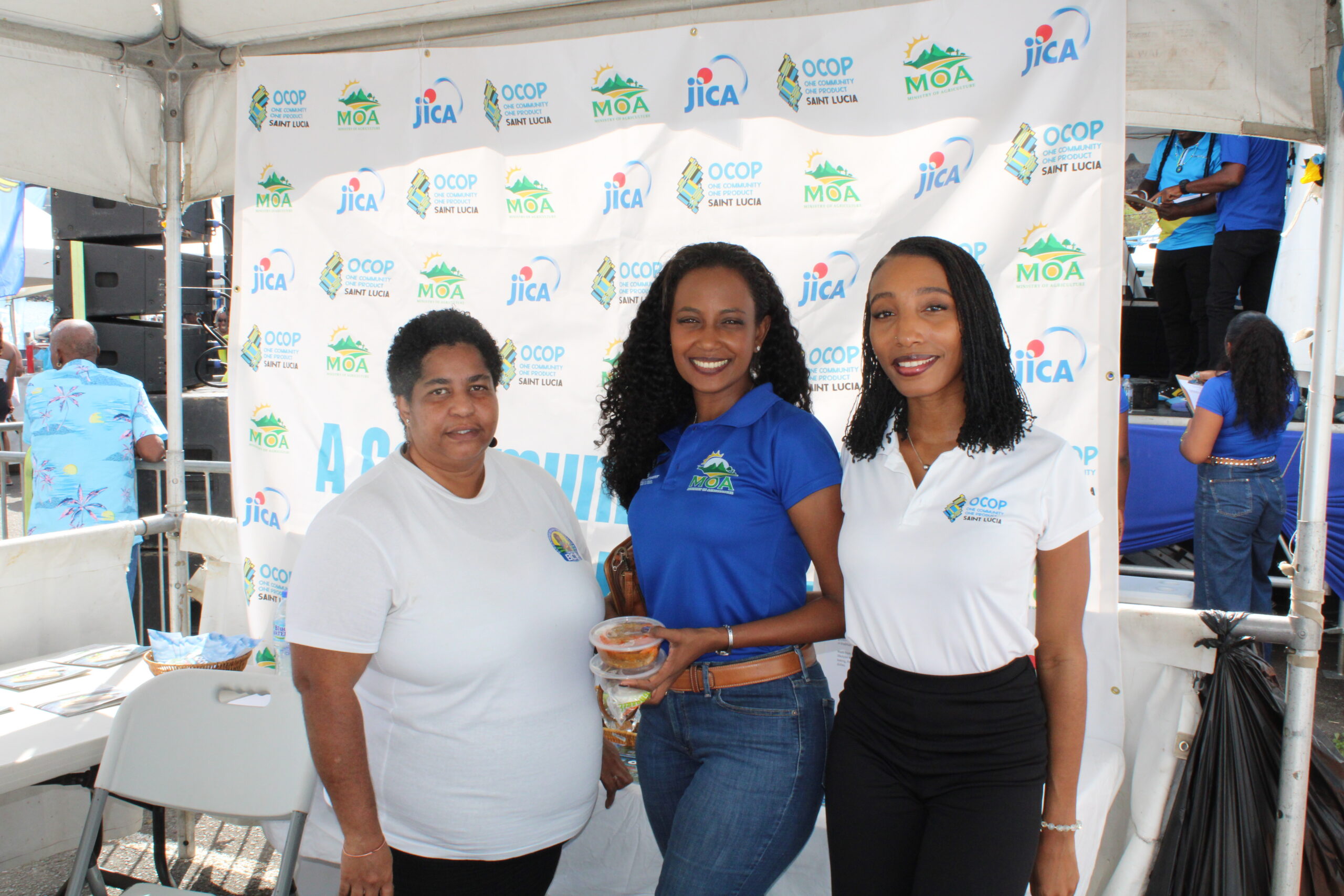
Saint Lucia is pioneering an innovative economic development model through its One Community One Product (OCOP) initiative, adapted from Japan’s renowned ‘One Village One Product’ framework. This transformative program represents a collaborative effort between the Japan International Cooperation Agency (JICA) and Saint Lucia’s Ministry of Agriculture, Fisheries, Food Security and Climate Change.
Unlike traditional agricultural programs that focus solely on production metrics, OCOP adopts a holistic value-chain approach that integrates growers, processors, and marketers into a cohesive ecosystem. The initiative aims to convert local cultural heritage and traditional practices into viable commercial opportunities, creating sustainable livelihoods while preserving community identity.
The program underwent extensive development through preliminary community engagements across Soufrière, Micoud, and Laborie over the past year. These pilot activities enabled organizers to test various development approaches, assess community readiness, and customize the model to Saint Lucia’s unique socioeconomic landscape.
Currently, OCOP has entered an intensive implementation phase centered in Babonneau, a community with generations of expertise in household-level value addition. The area’s tradition of women processing local produce for domestic use provides a natural foundation for commercial agro-processing development.
At the core of the Babonneau initiative is the Saint Lucia Network of Rural Women Producers (Babonneau Cluster), where approximately 14 local women, including mothers, receive hands-on training in agro-processing techniques. This strategic capacity-building component ensures skills transfer and economic empowerment at the grassroots level.
Kendra Payne, a local project consultant, emphasizes the program’s intentional design: ‘We’re building upon existing foundations and shaping them into realistic, sustainable enterprises. Our focus extends beyond production to ensure benefits are equitably distributed across the entire value chain.’
The Babonneau pilot serves as a national blueprint, with lessons learned guiding planned expansion to other communities. This phased approach demonstrates how culturally-grounded economic initiatives can create meaningful impact while preserving traditional knowledge systems.