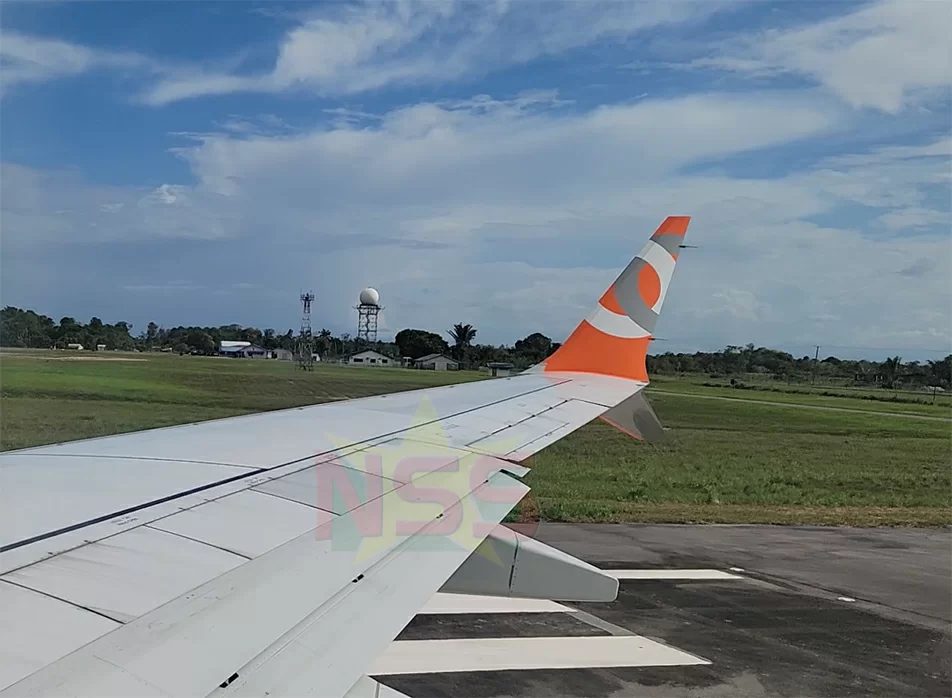
A sudden, widespread shutdown of air operations at Suriname’s busiest international gateway last weekend has pulled back the curtain on decades of unresolved systemic issues plaguing the country’s air traffic control sector, just as the nation prepares for an expected oil-driven economic boom next year.
On Saturday, the control tower at Johan Adolf Pengel International Airport was left completely unstaffed after multiple air traffic controllers called in sick, bringing nearly all flight activity to a standstill. Normal operations only resumed Sunday as controllers returned to their scheduled shifts, according to the Suriname Air Traffic Controllers Association (SATCA).
SATCA has repeatedly emphasized that the incident was not a deliberate strike or organized work stoppage, but rather the inevitable outcome of a chronic understaffing crisis that left no available backup personnel to cover unexpected absences. In a statement released Sunday morning, the Presidential Cabinet confirmed that the situation had been normalized following direct intervention by Suriname President Jennifer Simons, and a formal meeting between the president and SATCA leadership has been scheduled for Monday to address the root causes of the crisis.
Tensions have been building for months between air traffic controllers and Transport, Communication and Tourism Minister Raymond Landveld, whom SATCA no longer trusts to negotiate meaningful reforms. Landveld delegated all discussions on controller concerns to a special negotiation commission, but SATCA reports the commission has not held any substantive contact with the association since February 26, and failed to deliver any actionable solutions to address long-standing grievances. This stalemate led SATCA to demand direct talks only with the president, a request Simons has agreed to grant.
A key flashpoint in the dispute is a recent policy change that cut the maximum monthly overtime hours for controllers from 60 to 30, which eliminated all available backup shift coverage that relied on overtime work. Beyond staffing, SATCA is also demanding the president address severe wage inequality within the Aviation Authority’s operational divisions, a long-running imbalance that has driven a steady brain drain from the sector.
Years of excessive workloads and perceived undercompensation have pushed dozens of experienced controllers to leave the profession entirely for other opportunities. Two controllers have retrained to become commercial pilots for foreign carriers, while many others have left Suriname altogether to take up aviation roles abroad with better pay and working conditions.
Industry observers note that these challenges are not new: the Suriname air traffic control sector has struggled with persistent underperformance and understaffing for decades. Even basic safety protocols are regularly breached, the association confirms: a prohibited operating model called Single Person Operation, where only one controller plus a single assistant handle all air traffic duties during a shift, is now common practice rather than a rare exception.
As Suriname prepares for a major oil boom projected to start next year, experts warn the brain drain crisis is only set to worsen, repeating a pattern already seen in neighboring Guyana, which faced similar staffing shortfalls after its own oil sector expansion. Already, the trend of skilled controllers leaving is accelerating, and without urgent reforms, the country will be unable to meet growing air traffic demand tied to the incoming energy boom.
President Simons has acknowledged the scope of the crisis, stating that a structural, long-term solution is needed. She has confirmed that the problem extends far beyond just filling empty staffing slots, and that addressing wage inequality and upgrading outdated, aging air traffic control equipment will also be key priorities in the upcoming talks.