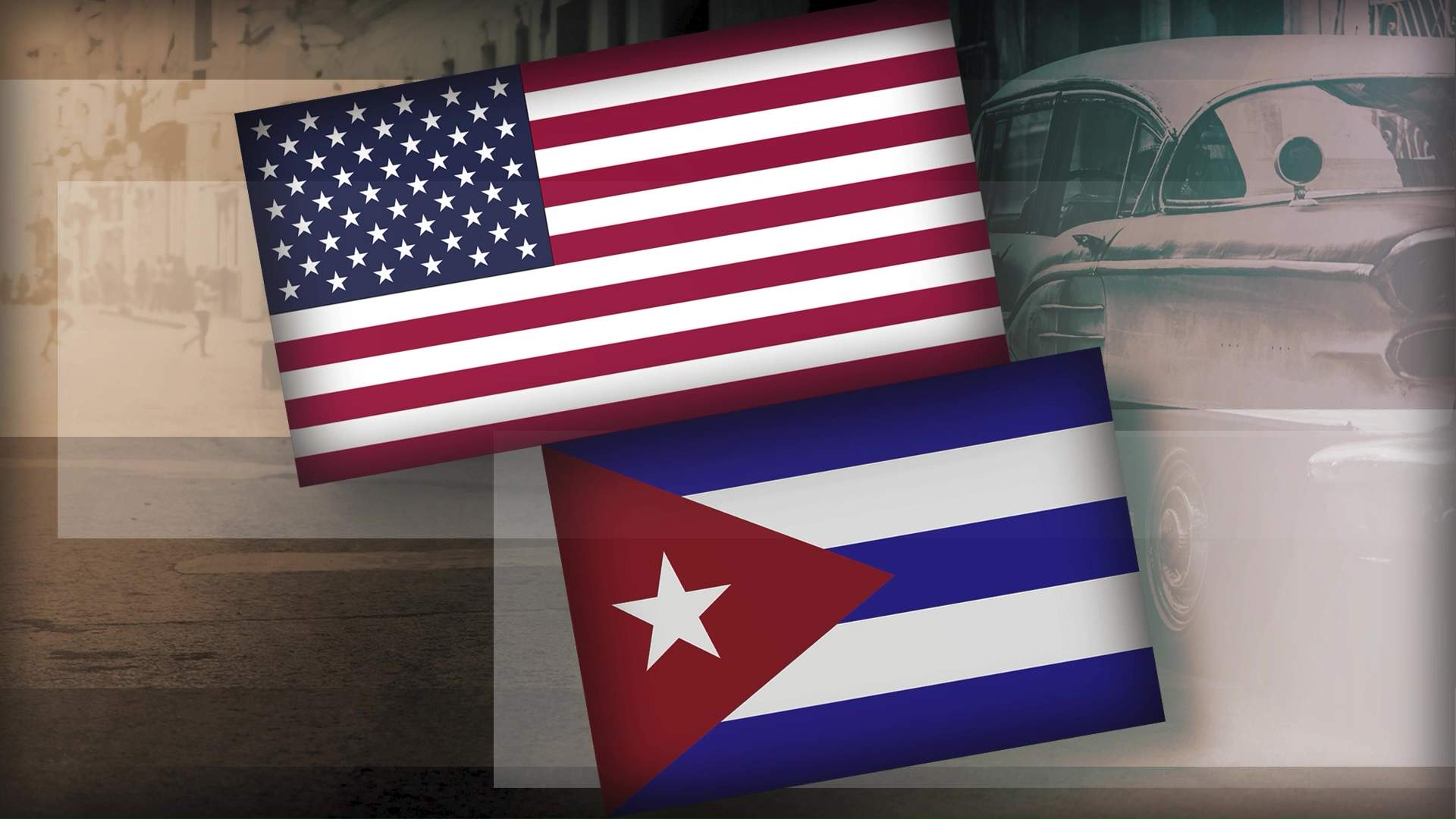
Cuba is confronting severe economic pressures as the United States intensifies its longstanding embargo, creating critical fuel shortages and triggering widespread power outages across the island nation. The situation has escalated to the point where the United Nations has issued warnings about a potential humanitarian crisis if energy needs remain unmet.
In an exclusive interview, Cuban Ambassador to Belize Yahima Martinez Millán denounced what she characterized as Washington’s deliberate campaign of ‘economic suffocation.’ Despite these extreme pressures, Ambassador Millán emphatically stated that Cuba has not been paralyzed. ‘As the world is seeing, Cuba is facing a very complex period caused by the intensification of the US blockade. However, the country is not paralyzed,’ she declared.
The Cuban government has implemented emergency measures to prioritize essential services, with particular focus on maintaining healthcare and education systems despite severe resource constraints. An energy-saving protocol has been adopted nationwide to ensure these critical services continue functioning.
Ambassador Millán articulated Cuba’s unwavering position: ‘Our response remains the same during more than sixty years. Our response is independence, dignity and sovereignty.’ She emphasized that Cuba refuses to negotiate under pressure and threats, maintaining instead a diplomacy of ‘peace and cooperation.’
International response is emerging, with both Canada and Mexico announcing plans to provide humanitarian aid. This development follows calls from regional leaders, including Belize’s former Foreign Affairs Minister Assad Shoman, for broader international support to counter the effects of the US blockade.
When confronted with assessments that US policies could lead to Cuban deaths, Ambassador Millán rejected characterizations of political fragility, attributing the crisis exclusively to ‘external threat’ rather than internal causes. She reaffirmed Cuba’s commitment to distributing resources equitably and protecting the most vulnerable populations throughout the crisis.