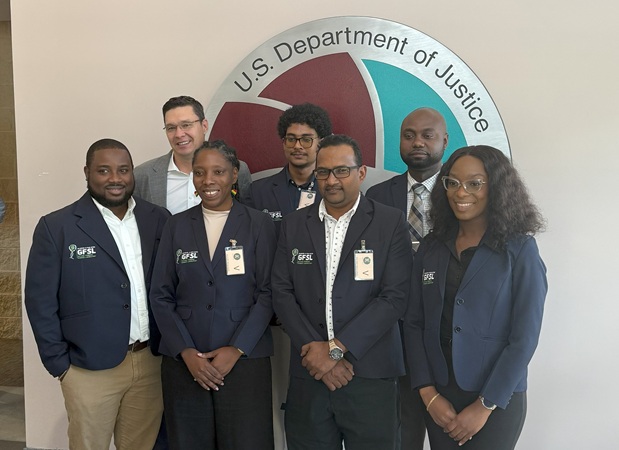
In a significant move to combat the transnational threat of synthetic narcotics, the United States has enhanced Guyana’s drug detection capabilities through a specialized forensic training program. From February 9-13, 2026, professionals from the Guyana Forensic Science Laboratory (GFSL) participated in an intensive technical exchange hosted by the U.S. Drug Enforcement Administration’s Southeast Laboratory in Miami, Florida.
The training initiative, funded by the U.S. State Department’s Bureau of International Narcotics and Law Enforcement Affairs (INL) under the Caribbean Basin Security Initiative, combined theoretical instruction with hands-on laboratory practices. Participants received advanced training in Gas Chromatography–Mass Spectrometry (GC-MS) techniques specifically tailored for detecting synthetic drugs including fentanyl—a potent opioid responsible for numerous fatalities across the Americas.
The program provided forensic scientists with real-world operational context, including observation of DEA laboratory personnel processing a 200-kilogram bulk seizure of suspected cocaine. This collaborative effort brought together forensic experts from multiple Caribbean nations, including laboratory directors, chemists, and quality assurance managers from Saint Lucia, Jamaica, and The Bahamas.
The U.S. Embassy in Georgetown emphasized that this training represents a concrete step in implementing Executive Order 14367, which designates fentanyl as a weapon of mass destruction. The initiative directly addresses critical capability gaps in regional synthetic narcotic detection, safe handling procedures, evidence preservation, and standardized reporting protocols.
This capacity-building effort forms part of the broader GUARDS program (Global Uniform Analysis and Reporting of Drug-Related Substances) administered by the DEA, aimed at establishing consistent forensic standards across participating nations. The collaboration underscores the United States’ commitment to regional security cooperation in dismantling transnational criminal organizations and curbing illicit narcotics trafficking throughout the hemisphere.