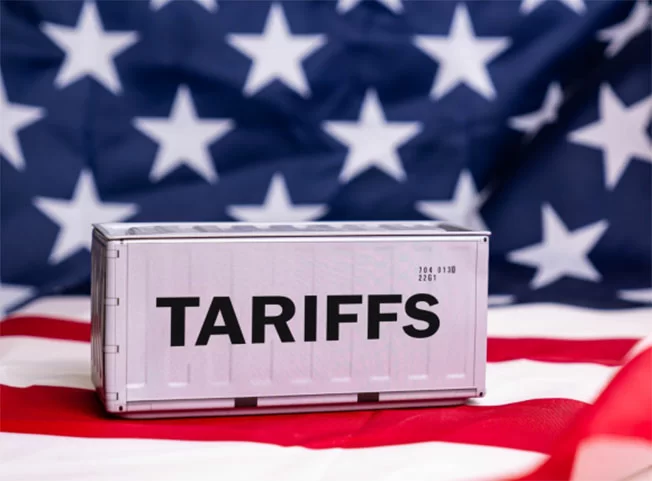
The United States has ignited international economic apprehensions with its announcement of sweeping tariff increases on imported goods, raising base rates to approximately 15%. This protectionist measure, unveiled by the Trump administration, aims to shield domestic industries and address persistent trade deficits that Washington claims disadvantage American businesses.
The policy shift has triggered immediate concerns among trading partners worldwide, with European and Asian nations evaluating potential countermeasures. Economic analysts warn that elevated import duties could catalyze inflationary pressures, disrupt global supply chains, and diminish investment stability across international markets.
Financial markets responded with measured caution to the announcement, while multinational corporations began recalculating operational costs in anticipation of heightened trade expenses. The tariff implementation follows extensive legal deliberations within the U.S. regarding previous trade measures, with the current administration seeking to establish a modified statutory foundation for the levies.
Smaller export-dependent economies, particularly Caribbean nations, face indirect consequences through potential declines in global trade volumes, commodity price fluctuations, and altered capital flows. The timing proves particularly delicate as the global economy navigates post-inflation recovery amid ongoing geopolitical tensions.
International financial institutions caution that escalated trade conflicts could significantly impede worldwide economic recovery efforts. While the tariff structure may remain temporarily effective, its long-term political viability remains uncertain, creating additional uncertainty for global trade planning.