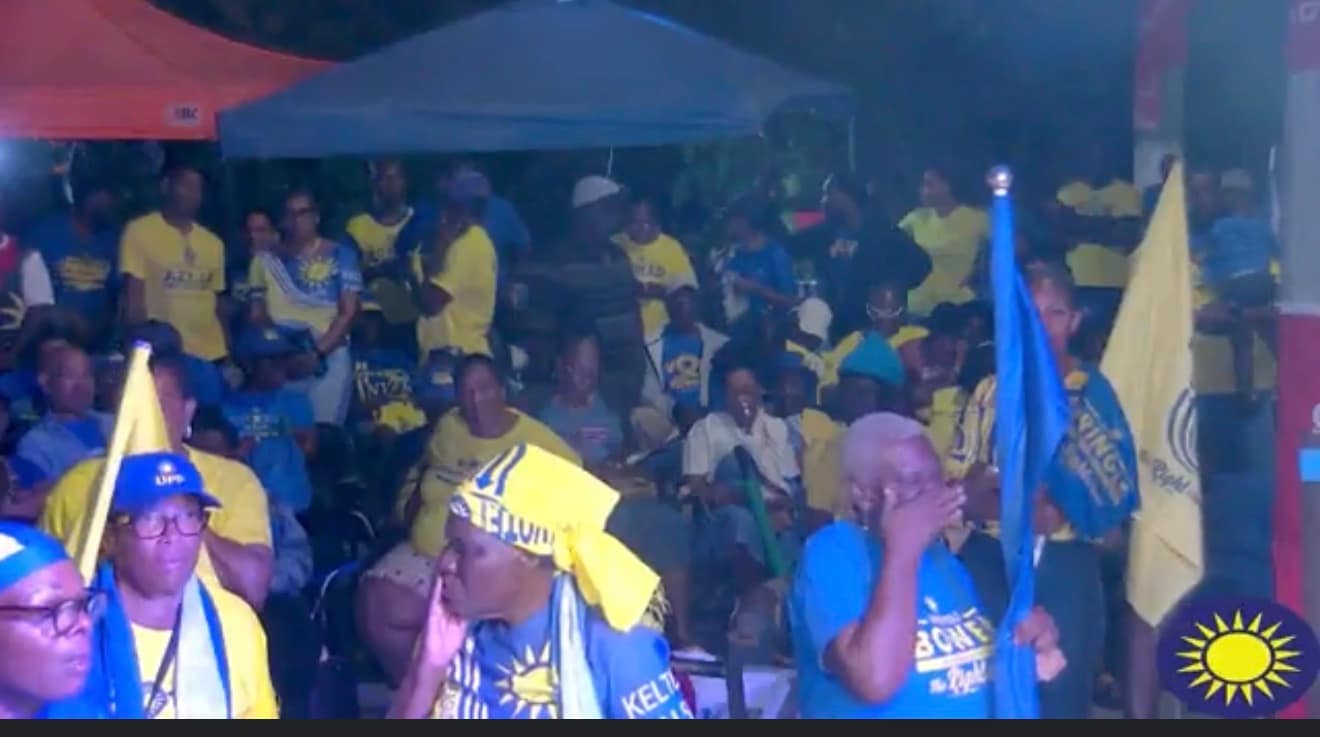
As the general election campaign in Antigua & Barbuda enters its final stretch, a sharp critique has emerged targeting the main opposition United Progressive Party (UPP) over its strategic choice to host its closing campaign rally in the constituency of All Saints East & St Luke. Critics of the opposition argue that this decision reveals quiet anxiety about the UPP’s electoral prospects, pointing to a basic rule of campaign tactics that does not align with the party’s claims of being on track for an election win.
For an opposition party seeking to unseat a sitting government, the core electoral math is straightforward: incumbents hold the advantage of governing power, so challengers must defend every seat they currently hold while actively targeting competitive constituencies held by the ruling Antigua & Barbuda Labour Party (ABLP). If the UPP truly was positioned for a national victory, strategists would have already secured their long-held safest seat, All Saints East & St Luke, and shifted the closing rally to a marginal ABLP-held constituency to maximize momentum and swing undecided voters, the critique argues. Holding the finale in the UPP’s strongest historically safe seat, rather than playing offense to gain new ground, is framed as a clear defensive move that signals the opposition expects poor results on election day.
This reasoning has prompted a direct question to voters across Antigua & Barbuda, from All Saints East & St Luke to St Philip South, St. Mary’s South and every other constituency nationwide. If the UPP is already showing clear signs of heading toward defeat, critics ask, why would constituents cast their ballots for a UPP candidate? Voters are reminded that a member of parliament sitting in opposition for the next five years will be limited in their ability to deliver tangible infrastructure, social services and development projects for their district, reduced only to constant criticism rather than tangible action. Instead, the argument pushes voters to back a candidate that will sit in the governing majority, who can be held directly accountable for delivering on campaign promises and advancing local needs.
As voters prepare to cast their ballots in the upcoming election, the debate over the UPP’s rally location has become a talking point that frames the opposition’s entire campaign as on the back foot, with critics urging voters to avoid aligning with what they frame as a guaranteed losing team.