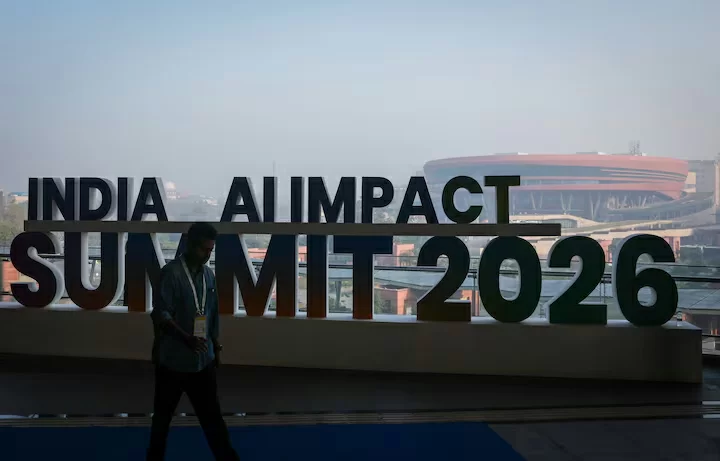
At the culminating session of the AI Impact Summit 2026 in New Delhi, Indian Prime Minister Narendra Modi articulated a compelling vision for human-centered artificial intelligence development. The four-day gathering, hosted at Bharat Mandapam convention center, brought together over 250,000 participants from more than 100 nations, establishing itself as the largest edition since the summit’s inception in 2023.
Modi positioned India as a pivotal force in shaping global AI evolution, citing the nation’s demographic advantage with one of the world’s largest youth populations and its rapidly expanding technology ecosystem. The Prime Minister introduced the MANAV framework (meaning ‘human’ in Sanskrit), a comprehensive set of principles emphasizing ethics, transparency, national sovereignty, accessibility, and legal compliance in AI governance. ‘We are entering an era where humans and intelligent systems will co-create, collaborate, and co-evolve together,’ Modi declared during his keynote address.
The summit showcased practical AI implementations within India, including the ‘Sarlaben’ digital assistant for dairy farmers and the multilingual Bharat VISTAAR platform that provides agricultural communities with real-time information. Modi called for international cooperation in developing authenticity labeling systems for digital content to combat deepfake manipulation and misinformation. He particularly emphasized child protection mechanisms within AI systems and advocated for open platforms to enable global youth participation in creating safer, more human-centric technology.
Despite these ambitious declarations, the event faced significant organizational shortcomings that threatened to undermine its impact. Attendees reported extensive queues, overcrowded venues, and inadequate signage throughout the conference facility. Several speakers received confirmation of their session times at the last minute, resulting in scheduling confusion and delays.
The absence of Microsoft founder Bill Gates, who withdrew participation due to ongoing controversies surrounding his associations with Jeffrey Epstein, attracted considerable attention. Further controversy emerged when an Indian university presented Chinese robotic technology as domestic innovation, raising questions about transparency and authenticity at an event intended to showcase India’s technological leadership.
The summit concluded Friday with extensive discussions on regulatory frameworks, ethical considerations, and AI’s role in economic and social development, solidifying India’s position as an emerging global power in the rapidly evolving AI landscape.