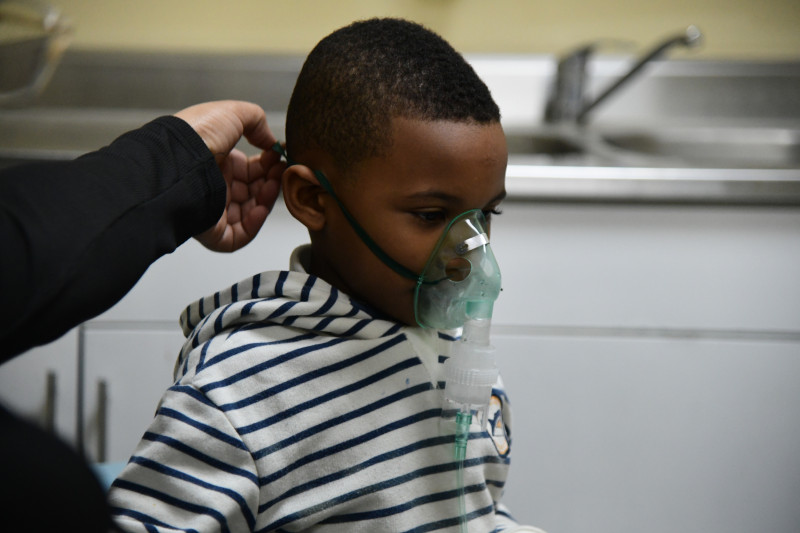
The Dominican Republic’s Ministry of Public Health has documented a significant escalation in severe acute respiratory infections (SARI) during January 2026, reporting a 47% increase compared to the same period in 2025. Epidemiological data reveals 69 suspected cases this year versus 47 previously, with children under four years old and adults over sixty constituting the most vulnerable demographics.
Geographical analysis identifies Azua and Santo Domingo provinces as the primary hotspots, recording 31 and 13 cases respectively. The National District and San Cristóbal followed with 5 cases each. Health officials attribute this distribution pattern to regions with higher population density, increased mobility, and greater hospital service demand.
Notably, the epidemiological report confirms zero fatalities from SARI in January 2026, maintaining a 0% lethality rate—a substantial improvement from the 6.4% mortality rate (3 deaths) documented during the same period in 2025. This positive development suggests enhanced early detection capabilities, improved patient referral systems, and more effective clinical management of severe cases.
Virological surveillance indicates persistent circulation of respiratory syncytial virus and influenza, though authorities report a progressive decrease in viral activity early in 2026. Crucially, no instances of influenza A (H3N2) subclade K have been detected, though health officials emphasize continued vigilance against emerging variants.
The Ministry has implemented strengthened surveillance measures including expanded sampling protocols, immediate case notification, and daily monitoring of hospital bed occupancy. Additional measures include rapid referral pathways for pediatric cases, guaranteed availability of critical medical supplies, and promoted influenza vaccination among high-risk populations.
Despite these efforts, structural challenges persist, particularly regarding limited availability of neonatal intensive care units (NICU) and intensive care units (ICU), alongside territorial access disparities. Health authorities acknowledge these limitations necessitate sustained, multi-sectoral strategies to manage morbidity during an increasingly active and prolonged respiratory season.