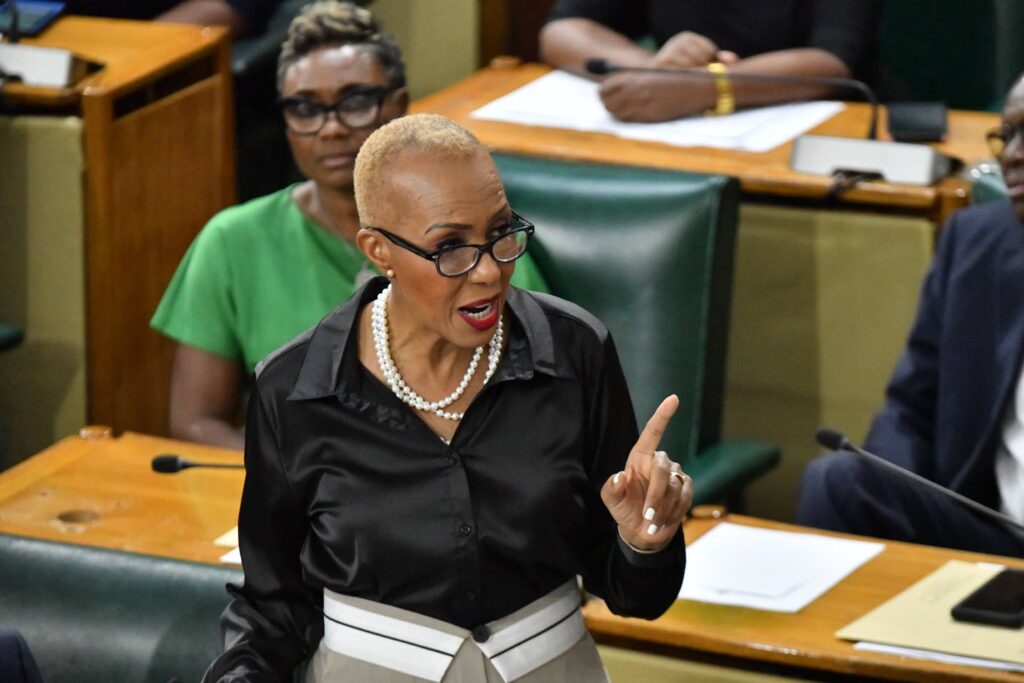
KINGSTON, Jamaica – In a significant fiscal policy shift, Finance Minister Fayval Williams declared Wednesday that Jamaica will implement new taxation measures as part of its forthcoming national budget. This decision responds to the catastrophic economic impact of Hurricane Melissa, which caused devastation equivalent to approximately 41% of the nation’s gross domestic product.
The hurricane resulted in an estimated US$8.8 billion in damages, creating unprecedented reconstruction needs and increased public service demands while simultaneously reducing government revenue streams due to widespread economic disruption across multiple sectors.
Williams emphasized that the government faces a critical balancing act between addressing immediate disaster recovery requirements and maintaining Jamaica’s hard-won fiscal discipline. Independent analysts confirm that the magnitude of this fiscal crisis makes new taxation inevitable after nearly ten years without such measures.
“We recognize the resulting fiscal gap cannot be ignored,” Williams stated, confirming “measured steps” would be taken, including necessary tax initiatives within the budget framework.
The Finance Minister explicitly rejected financing the entire deficit through borrowing, referencing Jamaica’s painful history with debt traps characterized by decades of high indebtedness, crippling interest payments, and constrained fiscal flexibility. “We have lived through the debt trap before,” Williams noted, adding that the government remains committed to preserving the fiscal progress achieved in recent years.
While borrowing will continue to play a strategic role, Williams clarified it would be specifically targeted toward capital investments in infrastructure, agriculture, logistics, and digital systems designed to enhance productive capacity and strengthen economic resilience.
Drawing a clear distinction between recurrent expenses and growth-oriented investment, Williams asserted: “As far as possible, recurrent expenses must be financed by taxation revenue.
The government simultaneously offered reassurances that equity principles would guide tax design, with officials currently reviewing systemic anomalies to ensure fair burden distribution and protection for vulnerable populations.
This budget represents a pivotal moment for Jamaica’s long-term economic stewardship, coming after more than a decade of fiscal credibility restoration through debt reduction and sustained primary surpluses following repeated economic crises. Williams framed the current decisions as determinative for whether future generations inherit an economy constrained by unsustainable debt or strengthened through resilience and opportunity.