A decade following Jamaica’s landmark decision to decriminalize cannabis and establish a regulated industry, the envisioned export-driven, cultivation-centric market has failed to materialize. Instead of flourishing, licensed operators are confronting severe structural constraints that have forced a strategic pivot away from traditional farming models.
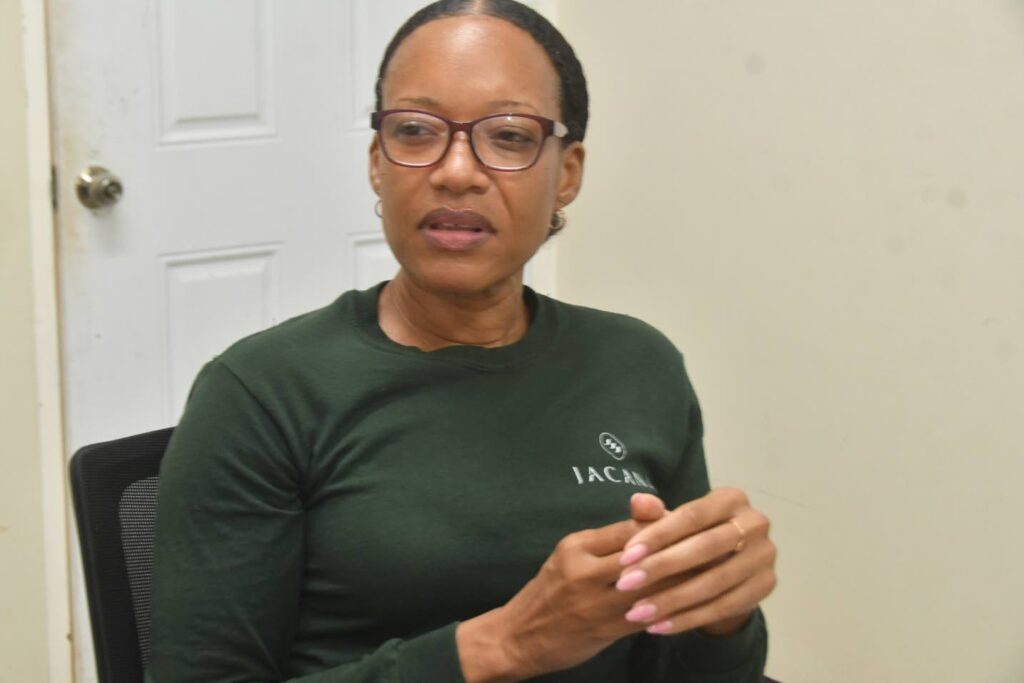
Jacana Wellness, a vertically integrated cannabis company established in 2017-2018, exemplifies this industry struggle. Operating cultivation and processing facilities in St. Ann alongside four retail apothecaries across Jamaica, the company has been compelled to close underperforming outlets while navigating what executives describe as fundamental flaws in the nation’s regulatory framework.
“The boom is gone,” stated Nicholas Deane, Jacana’s farm operations manager. “What remains is whether the industry can actually survive under its current structure.”
The financial burden of compliance presents perhaps the most significant challenge. Licensed cultivators face mandatory security requirements including fencing, surveillance systems, and armed protection, coupled with substantial annual licensing fees exceeding $3,500 per acre before operational costs. These regulatory expenses create prohibitive entry barriers for small farmers and strain established operations.
Stephen-John Brown, Jacana’s quality and compliance manager, detailed the cumulative impact: “When you start adding it up—cultivation licence, processing approvals, transport permits, police records for staff, environmental permits—it becomes a very expensive business to run.”
Compounding these challenges, limited access to conventional banking services has forced operators to rely heavily on cash transactions, restricting growth potential and resilience against economic shocks. This financial bottleneck has accelerated industry consolidation, favoring vertically integrated companies that can control multiple supply chain segments.
The export market, initially touted as Jamaica’s primary opportunity, has proven particularly difficult to penetrate. International buyers typically demand pharmaceutical-grade specifications designed for indoor cultivation, creating standards nearly impossible to meet through Jamaica’s traditional outdoor farming methods. Meeting these requirements often necessitates costly post-harvest treatments that compromise product quality and potency.
Consequently, Jacana and other survivors have shifted focus toward wellness products and CBD formulations, which face fewer regulatory hurdles and enjoy growing consumer demand. The company now derives approximately 70% of domestic sales and 30% of exports from its CBD and wellness lines, which include tinctures, topical balms, and botanical formulations supplied to hospitality venues and international markets.
This strategic adaptation highlights the fundamental contradiction within Jamaica’s cannabis framework: while cultivation was intended as the industry’s foundation, the regulatory environment has ultimately rewarded businesses that minimize agricultural risk. Nearly ten years after legalization, the critical question facing policymakers is whether the existing structure can be realigned to support the inclusive, export-driven vision originally promised.