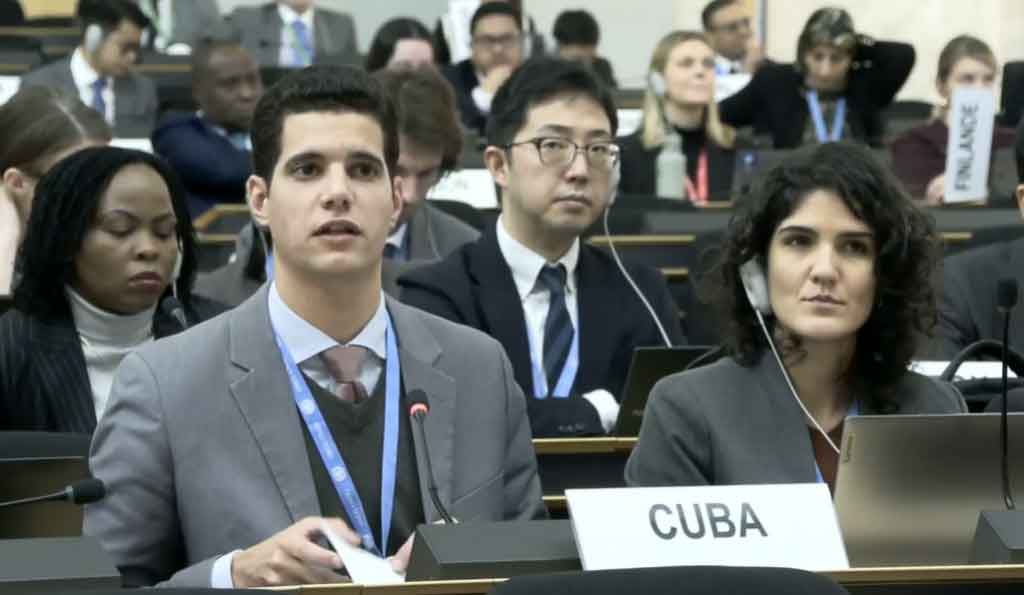
At a United Nations human rights session, Cuban diplomat Roberto Cabanas delivered a forceful condemnation of American economic policies toward his nation, characterizing them as an act of aggression against the Cuban populace. Cabanas asserted that these unilateral coercive measures are designed to inflict collective punishment, thereby constituting a flagrant violation of fundamental human rights.
The representative detailed the extent of these policies, highlighting Washington’s threats to impose trade tariffs on any nation that supplies oil to Cuba. This tactic, he argued, is a deliberate strategy to coerce the international community into becoming complicit in what he termed an ‘energy blockade’ aimed at crippling the island nation.
Cabanas dismissed the foundational premise for these actions—the long-standing U.S. classification of Cuba as an ‘unusual and extraordinary threat’ to its national security—as an absurd pretext. He exposed the true objective behind these draconian measures: to paralyze Cuba’s economic and social infrastructure and deliberately generate widespread suffering among millions of Cuban citizens.
In his address to the Human Rights Council, Cabanas issued a direct challenge, emphasizing that the body ‘cannot remain silent in the face of these criminal acts.’ He framed his nation’s plight within a broader, more complex international context, noting that the 61st session of the Council convenes as the entire multilateral system and its institutions face direct attack from powerful nations undermining global cooperation.