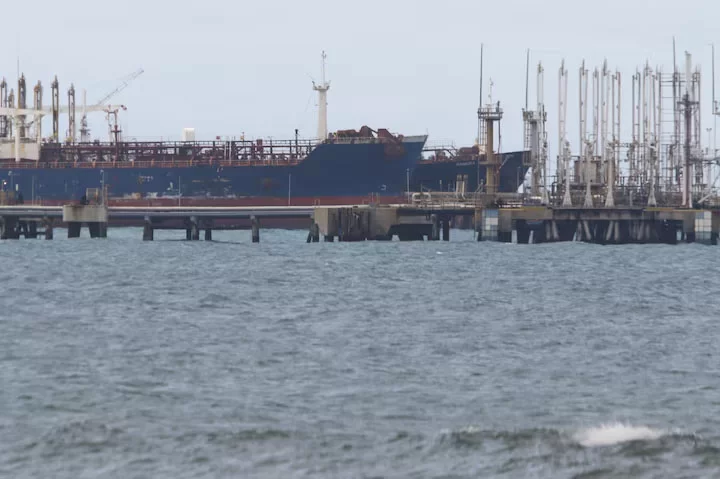
Venezuela’s state-run oil company PDVSA is mounting a bold challenge against U.S. sanctions by welcoming sanctioned vessels and expanding floating storage capacity despite an American maritime blockade that has crippled the nation’s crude exports. At least two oil tankers have recently entered Venezuelan waters while additional vessels approach the coastline, signaling Caracas’ determination to maintain oil sales despite mounting international pressure.
The Trump administration’s recent blockade announcement targeting all sanctioned vessels in Venezuelan waters has effectively halved the country’s oil exports compared to November levels. U.S. authorities have already seized two fully-loaded Venezuelan crude shipments and intensified Caribbean patrols, causing widespread apprehension among shipowners that has resulted in numerous diversions and U-turns away from the OPEC nation.
According to monitoring service TankerTrackers.com, the arriving vessels include sanctioned tankers alongside non-sanctioned ships approaching Venezuela’s coast. This maritime activity forms part of complex swap agreements and arrangements established since 2019 when Venezuela first faced U.S. energy sanctions. The Maduro government continues to settle extensive purchase orders and service debts through oil payments, including substantial obligations to China.
Two approaching vessels belong to a specialized fleet utilized by China and Venezuela to repay debts through crude oil shipments destined for Chinese ports. The critical question remains whether China will seek U.S. exemptions to guarantee these deliveries proceed unimpeded.
PDVSA has responded to the crisis by negotiating price reductions and contract modifications with clients to prevent cargo returns or production cuts. However, company sources indicate growing impatience among buyers who lack viable alternatives for moving oil shipments out of Venezuela, even when using non-sanctioned vessels.
Compounding these challenges, a recent cyberattack forced PDVSA to disable its centralized administrative system, significantly slowing port loading operations. The company now works to meet export loading windows while simultaneously storing crude and fuel aboard vessels to expand storage capacity.
The only vessels currently departing Venezuelan waters are Chevron-operated tankers operating under Washington’s authorization and smaller ships transporting oil byproducts and petrochemical products, according to shipping data and PDVSA documents.
This situation echoes the 2020 crisis when Washington intensified pressure on Maduro by sanctioning PDVSA’s primary trading partners, forcing Venezuela to rely on little-known intermediaries to maintain oil sales to Chinese buyers. Those previous measures triggered production declines, oil field closures, and severe motor fuel shortages that took years to partially overcome.
Currently, nearly two dozen tankers cluster near José port awaiting loading opportunities or departure instructions. The volume of oil stranded aboard idled tankers has surged to approximately 16 million barrels from 11 million barrels in mid-December, creating an increasingly precarious situation for Venezuela’s energy sector.