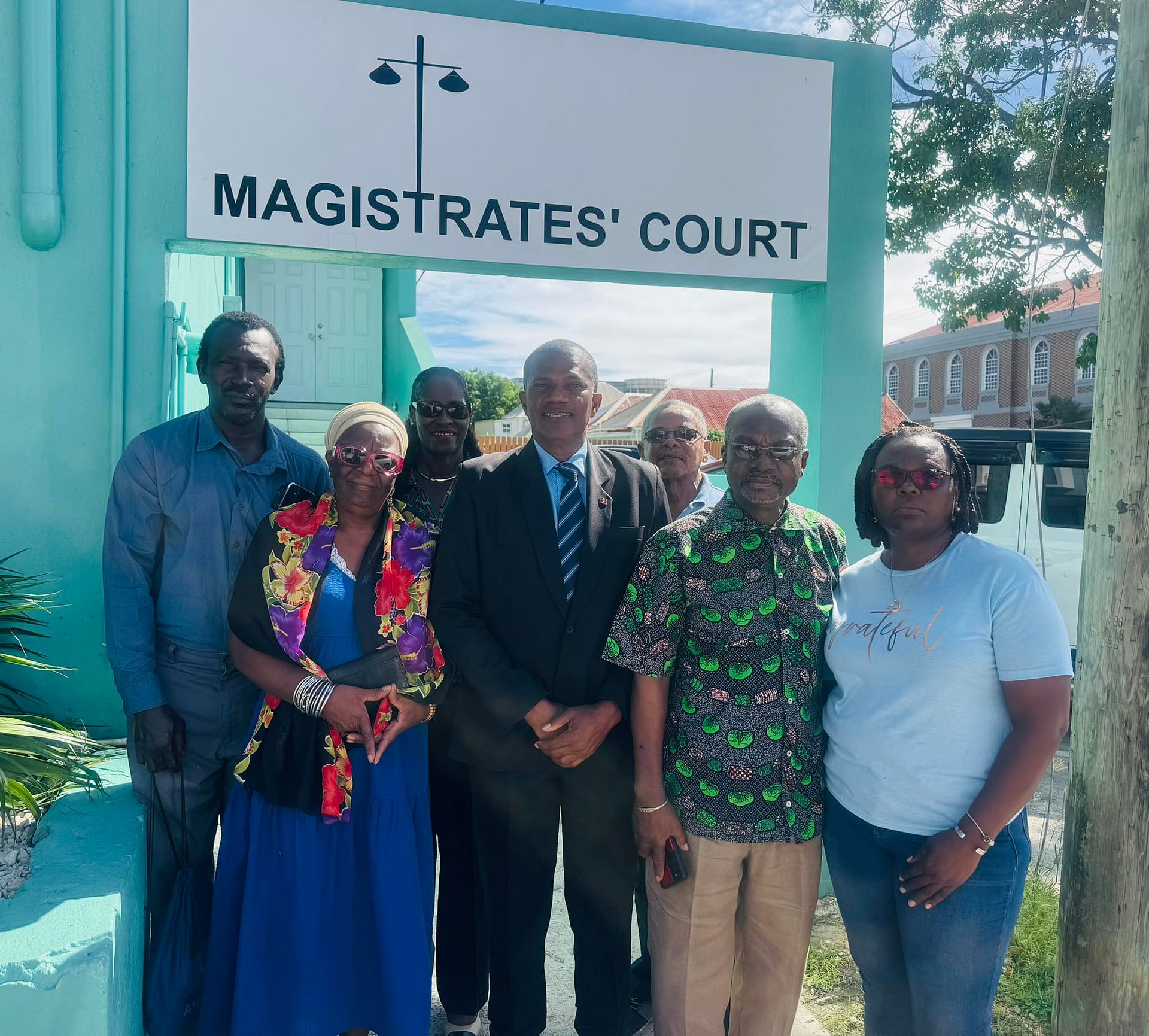
In a significant development within the ongoing legal battle over public beach access rights, the high-profile ‘Beach Case’ encountered another substantial delay during today’s proceedings at St. John’s Magistrate’s Court. The prosecution team, representing the Office of the Director of Public Prosecutions, failed to present their scheduled witnesses despite previous judicial directives mandating preparedness.
The case had been previously adjourned from November 6, 2025, following defense attorney Mr. Boing’s identification of procedural irregularities within the prosecution’s documentation. During that hearing, the presiding magistrate had determined that witness testimony should take precedence, suggesting that such evidence might potentially resolve the identified deficiencies before addressing the defense’s formal submission.
Mr. Boing reiterated his previous stance, noting: ‘I had highlighted specific defects in the prosecution’s file. While the magistrate acknowledged these concerns, he preferred to hear witness testimony first, believing it could remedy the situation before ruling on our submission.’
However, during today’s session, prosecutors reported their witnesses were unavailable, prompting the magistrate to reschedule proceedings to February 23, 2026. Among the defendants, political commentator George Wehner—charged with allegedly trespassing on traditional public access routes to Laurys Bay—expressed profound disappointment regarding the repeated postponements. Wehner and fellow defendants had appeared in court prepared to address the summons.
Wehner has consistently highlighted broader concerns regarding judicial fairness and accessibility, particularly referencing the ongoing application of the Small Charges Act—a colonial-era legislation under which the trespassing charges were brought. ‘These laws historically criminalized ordinary activities such as land traversal and peaceful assembly,’ Wehner commented. ‘Despite national independence, they continue to be employed against the very populations they were originally designed to suppress.’
The Beach Case has captured substantial public attention, occurring alongside growing national discourse concerning coastal access rights and property ownership. Defendant supporters continue advocating for procedural transparency, due process adherence, and protection of historical access pathways. The case is now scheduled to resume on February 23, 2026, with the prosecution expected to finally present their witness testimony.