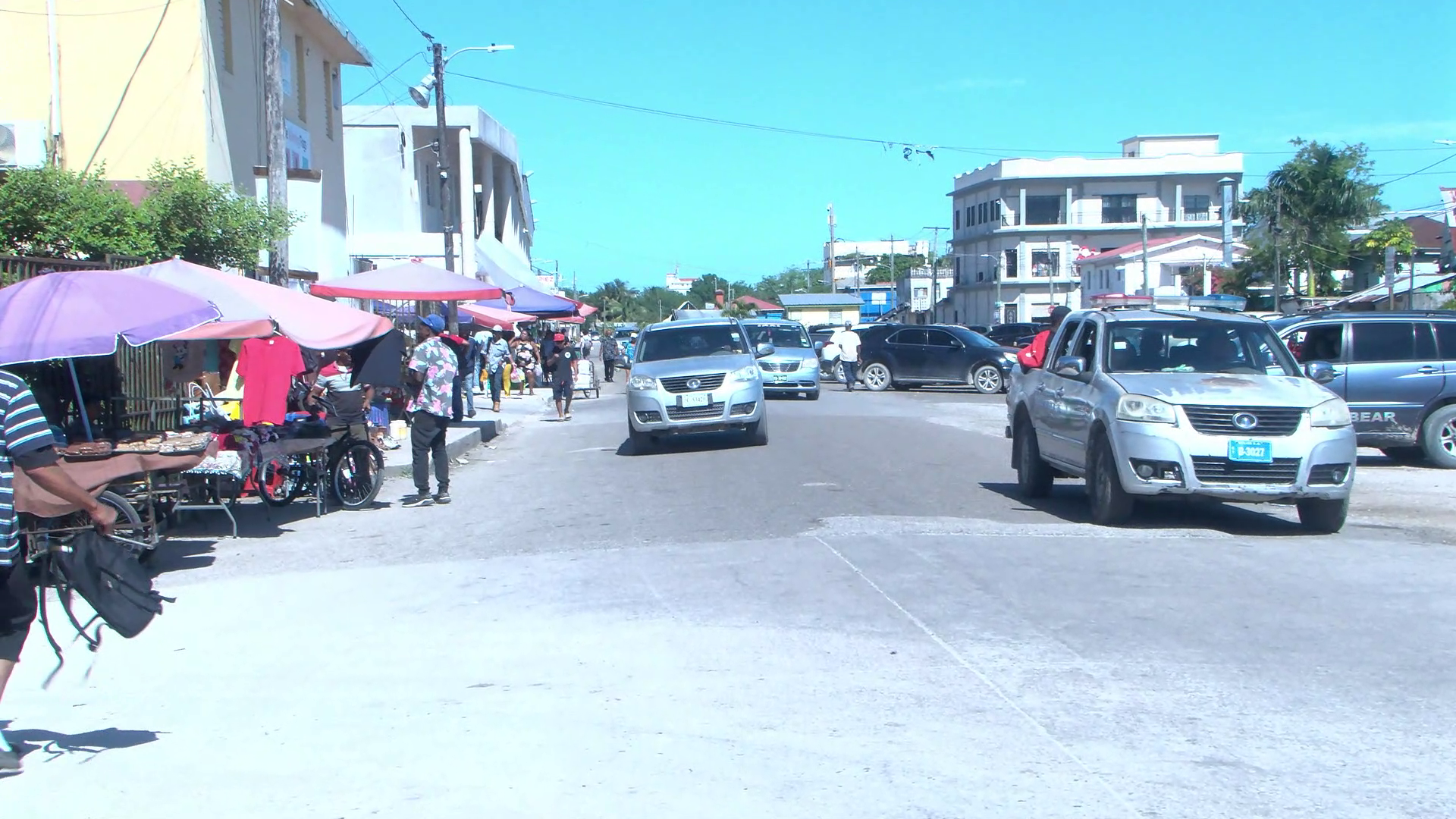
As of November 27, 2026, with the Christmas holiday barely a week away from the start of December, residents across Belize City are navigating a delicate balance between cherished festive traditions and persistent cost-of-living strains that have tightened household budgets in the lead-up to the season. A team of local reporters took to the city’s streets to gauge public sentiment around this year’s holiday preparations, capturing a spectrum of pragmatic, community-focused approaches to celebrating amid elevated prices. For many local families, grand, costly holiday purchases and elaborate outings have been set aside in favor of low-cost, home-centered rituals: one resident explained their plans revolve entirely around home baking and shared home-cooked meals, noting they have adjusted their spending to only afford items that fit their limited budget, with no room for unnecessary splurges. “You just have to ride with the tide. Whatever the price you can afford it, then you get it. If not, you leave it, right?” the resident shared, reflecting a widespread pragmatic attitude toward rising costs. Another local resident noted that while they are eager to make the season feel special for their household, they are actively stretching every dollar to make limited funds cover essential holiday expenses, prioritizing time with loved ones over expensive gifts or elaborate events. A third resident emphasized that their top priority this year is simply ensuring there is enough nourishing food on the table for their family, focusing on core necessities rather than non-essential festive extras to avoid overextending their finances. Even amid these financial constraints, many residents are still leaning into the warm, communal spirit of the season: one local household had already decked their home and veranda with two full Christmas trees as early as November 1, and plans to host a large shared holiday dinner that includes neighbors, with a commitment to making the gathering joyful no matter the size of their budget. The report notes that the on-street interviews included segments of local Kriol dialogue, transcribed using a standardized, accessible spelling system to preserve the authenticity of residents’ first-hand accounts, with the full unedited television newscast available for viewers to access online.