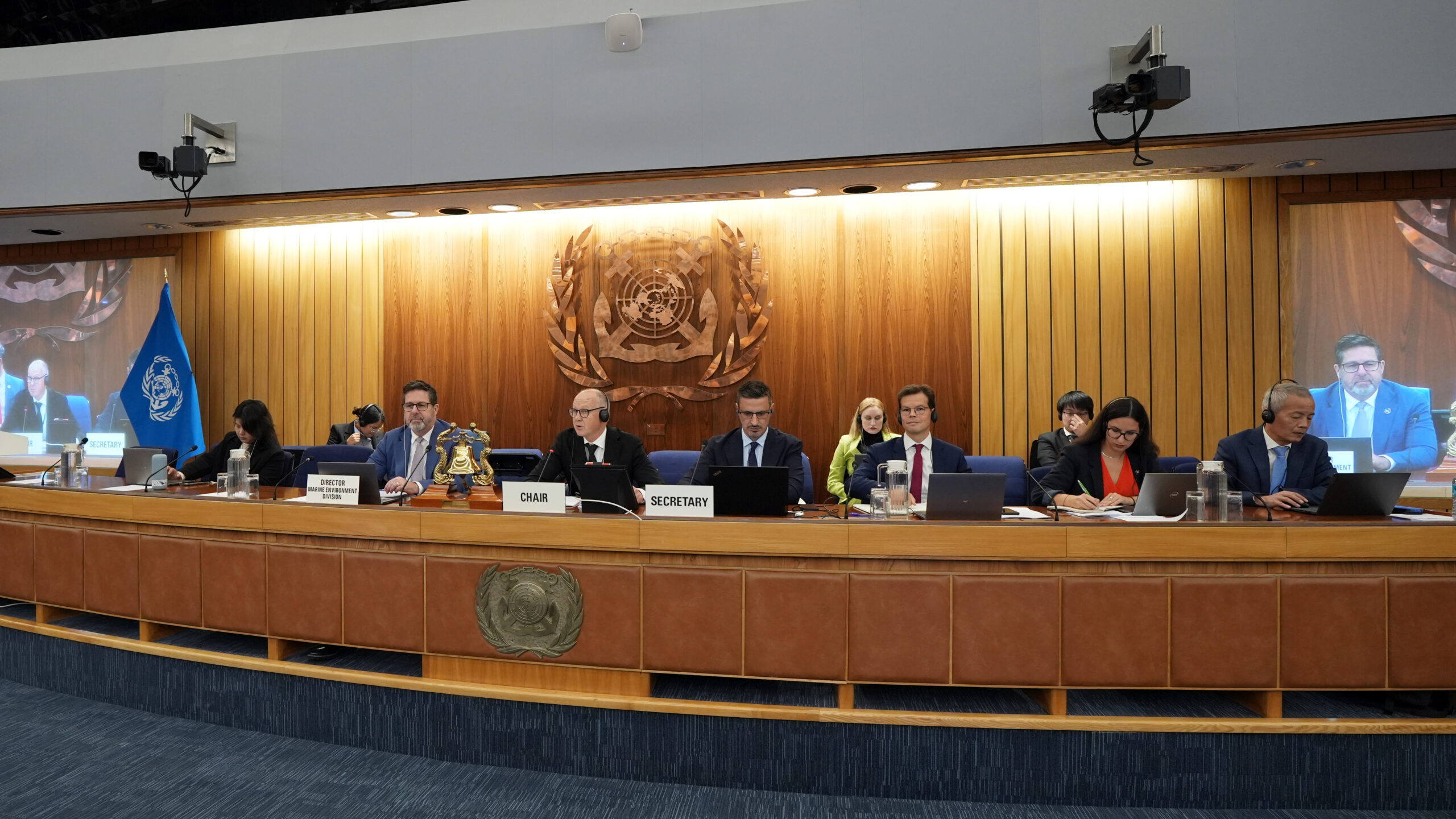
From November 23 to December 4, 2026, the International Maritime Organization (IMO) will gather global maritime regulators, industry stakeholders, and national delegations in London for a sequence of high-stakes sessions focused on accelerating the global shipping sector’s shift to a low-carbon, net-zero future. The packed agenda opens with the 23rd Intersessional Working Group on Greenhouse Gas Emissions from Ships (ISWG-GHG 23) running November 23–27, followed immediately by the 85th session of the Marine Environment Protection Committee (MEPC 85) from November 30 to December 3, with a tentative resumption of the second extraordinary MEPC session (MEPC ES.2) penciled in for December 4, pending final confirmation. The core priority of these negotiations is finalizing the landmark IMO Net-Zero Framework, a regulatory package first greenlit at MEPC 83 in April 2025 that was originally slated for formal adoption in October of that same year. Disputes between IMO member states over core provisions pushed a one-year delay to the extraordinary session, with successive talks at MEPC 84 (April 2026) and ISWG-GHG 22 (September 2026) working to iron out unresolved sticking points and build cross-national consensus ahead of the upcoming London gathering. The proposed framework pairs a uniform global marine fuel standard with an emissions pricing mechanism designed to incentivize widespread uptake of zero-carbon fuels and innovative maritime technologies, while also creating dedicated revenue streams to fund a fair, inclusive energy transition for nations most exposed to regulatory shifts. All draft measures are being calibrated to align with the IMO’s 2023 Initial Strategy on the Reduction of Greenhouse Gas Emissions from Ships, which enshrines the global target of reaching net-zero emissions from international shipping by or around 2050. Beyond decarbonization rules, delegates will also deliberate on a suite of supplementary maritime governance updates, including updates to ship energy efficiency mandates, marine pollution prevention protocols, ballast water management rules, limits on disruptive underwater noise, and new protections for ecologically sensitive marine habitats. No region faces higher stakes from these negotiations than the Caribbean Small Island Developing States (SIDS), whose entire economic and social fabric is deeply tied to maritime trade: the region relies on international shipping to deliver nearly all its food, fuel, and essential consumer goods, while also being disproportionately exposed to the catastrophic impacts of unmitigated climate change. New global shipping regulations could ripple across the Caribbean to alter freight costs, erode trade competitiveness, and shift local cost of living benchmarks, but they also open up unprecedented access to dedicated decarbonization financing, upgrades for regional maritime infrastructure, and formal safeguards to ensure the low-carbon transition does not place disproportionate burdens on vulnerable, low-income nations. A cohort of dedicated Caribbean delegations is participating directly in the London talks to center the region’s unique vulnerabilities and development priorities in final rulemaking, with specialized technical backing from the University of the West Indies-Caribbean Shipping Lanes (UWI-CSL) Project. UWI-CSL Project Manager Nafesha Richardson emphasized the non-negotiable value of the region’s active, informed participation in the negotiations, noting, “The decisions made at these meetings could have far-reaching implications for the Caribbean. It is therefore critical that the region’s voice is heard and that its unique challenges and priorities are reflected in the outcomes. The UWI-CSL is committed to providing Caribbean delegations with the information and technical support needed to effectively represent the region’s interests during these negotiations.” As the global community races to cut transport-related greenhouse gas emissions, the 2026 London IMO sessions will stand as a defining inflection point, setting not just the speed of maritime climate action, but also the fairness of how the transition’s costs, benefits, and green investment opportunities are distributed across vulnerable economies like the Caribbean SIDS.