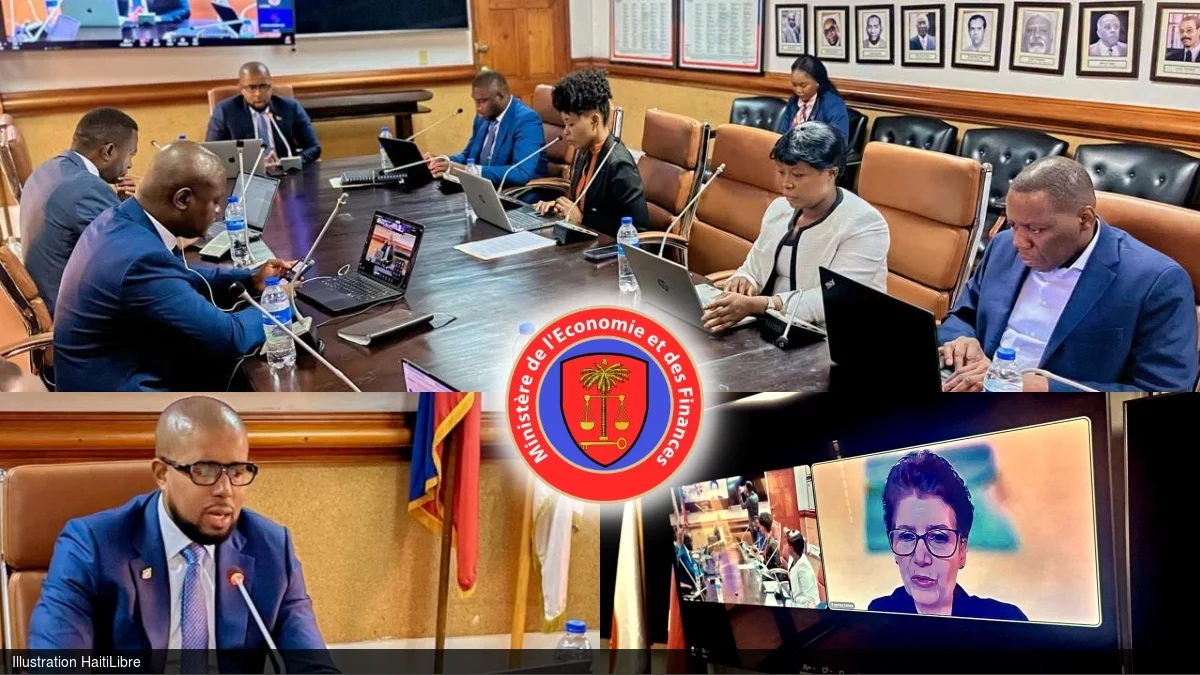
On November 27, 2026, Haiti’s Ministry of Economy and Finance (MEF) announced the conclusion of a two-day series of virtual regional consultations convened by Economy and Finance Minister Serge Gabriel Collin, dedicated to shaping the upcoming 2027–2031 Recovery and Development Plan for the country’s Greater South region. This move follows the formal approval of the 2025–2030 Recovery and Development Plan for the Greater North, which was greenlit by the Haitian government on May 28, 2026, as part of a broader national strategy to move away from one-size-fits-all national development frameworks and design region-specific blueprints that center local unique strengths, unmet needs, and on-the-ground realities.
The consultation process brought together a diverse cross-section of stakeholders spanning four southern Haitian departments: South, South-East, Grand’Anse, and Nippes. Attendees included national public agency representatives, local municipal and departmental government officials, small and medium business owners, private industry leaders, and civil society organization representatives focused on community welfare, environmental protection, and grassroots development. The core objectives of the two-day sessions were to circulate the initial draft of the Greater South plan, solicit unfiltered feedback on community-level priorities, and refine the document’s overarching strategic pillars to ensure it is not a top-down policy document but a living framework co-designed by the people who reside in, work in, and invest in the region.
During the opening remarks, Minister Collin laid out clear criteria for selecting priority projects that will receive allocated public and partner funding, noting that all submissions will be evaluated based on their projected tangible economic and social returns, the local community’s existing capacity to implement and maintain projects long-term, and the realistic limits of available state financing. He stressed that every strategic direction embedded in the final plan must align with Haiti’s overarching national development goals, with a specific focus on breaking down historical silos between public investment pipelines and private sector entrepreneurial initiatives. By leaning into the Greater South’s inherent competitive advantages—including its fertile agricultural lands, coastal tourism potential, and existing artisan economies—the plan is designed to expand formal productive sectors, create long-term sustainable employment, lift household disposable incomes, and drive measurable improvements in access to core public services for marginalized southern communities. Collin also urged all participants to engage in open, constructive, and frank dialogue to reconcile differing local perspectives, resolve overlapping or competing priority requests, and align on a unified set of actionable goals that benefit the entire Greater South rather than narrow individual interests.
Over the course of the two-day virtual sessions, separate working groups focused on targeted discussion streams: public authority and local government working groups reviewed the granular regional needs assessment data compiled by MEF researchers and provided input on the optimal structural layout and governance arrangements for the final plan, while private sector and civil society working groups tabled their specific priority requests and actionable policy recommendations. Five core thematic areas emerged as the shared backbone of the draft plan: first, the full rehabilitation and modernization of critical regional transport infrastructure, most notably National Road #2, the vital but long-neglected artery that connects the capital Port-au-Prince to the entire Greater South region; second, targeted support to revitalize smallholder agricultural production and build out end-to-end regional value chains to cut post-harvest losses and enable local farmers to access national and export markets; third, expanded universal access to reliable electricity and essential basic services including clean potable water, primary healthcare, and public education; fourth, targeted investments to boost regional resilience against extreme natural disasters and accelerating climate change, a growing threat to Haiti’s southern coastal and low-lying communities; and fifth, streamlined regulatory frameworks and dedicated outreach to mobilize both domestic private investment and international development partner funding to fill remaining financing gaps for priority projects.
All feedback and recommendations collected during the consultation process will be integrated into a revised, updated draft of the Greater South Recovery and Development Plan, which will be circulated back to all participating stakeholders for a final round of review before formal governmental validation. Minister Collin confirmed that all locally identified priorities will be formally integrated into Haiti’s national public investment programming and the government’s medium-term budgetary framework, structured to align seamlessly with the funding mechanisms and reporting requirements of the country’s international development partners to reduce administrative frictions for disbursement. To ensure full accountability and transparent tracking of implementation progress, the MEF will establish a multi-stakeholder permanent monitoring mechanism with equal representation from state agencies, local governing bodies, private sector groups, and civil society organizations, to regularly publish progress updates, flag implementation bottlenecks, and adjust plan priorities as evolving local needs demand. Collin closed the consultation by noting that the successful revitalization of the historically underinvested Greater South region will depend entirely on sustained, coordinated collective action across all stakeholder groups, rather than isolated efforts from any single sector.