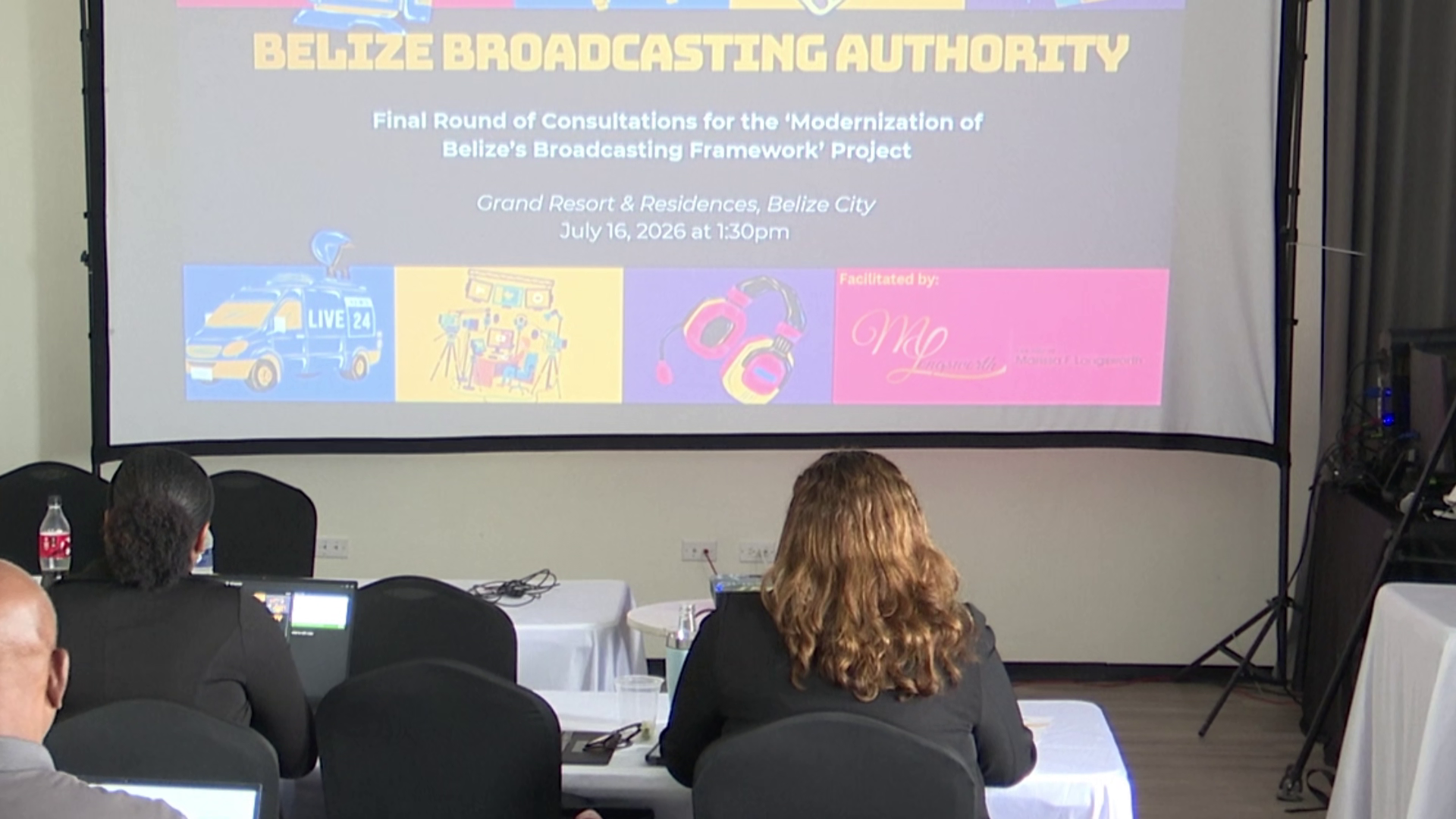
On November 27, 2026, the Belize Broadcasting Authority (BBA) announced it has formally launched the review and revision stage of its long-debated proposed Broadcasting Bill and accompanying regulatory framework, after closing a multi-month public consultation period that yielded more than 300 submissions from a wide cross-section of stakeholders. The public input window, first announced by the BBA back in July 2026, invited feedback from licensed broadcasters, independent media practitioners, digital content creators, civil society groups, legal experts, and ordinary members of the public, drawing widespread public scrutiny over the draft’s proposed oversight of online broadcasting activities and potential impacts on freedom of expression. As laid out earlier this year by BBA Board Director Josue Carballo, the full legislative roadmap for the bill follows a structured, multi-stage process: after the current review of public comments, the revised draft will be vetted alongside the Attorney General’s Ministry and professional legislative drafters to ensure compliance with national legal formatting and drafting standards. The polished proposal will then be forwarded to the Cabinet for formal consideration and sign-off, before moving through the bicameral parliamentary process for votes in both the House of Representatives and the Senate. Should the bill pass both legislative chambers, it will be presented to the Governor General for formal assent to become enforceable law. Once the act is officially enacted, the Prime Minister’s Office, which holds the broadcasting portfolio, will move swiftly to bring the accompanying supporting regulations into full force. Carballo emphasized that stakeholder engagement will remain a core priority even after the bill passes, to inform ongoing regulatory guidance and advance the legislation’s central goal of supporting and amplifying local Belizean content production. While the BBA has confirmed it is evaluating all submitted feedback, it has not yet disclosed which specific public recommendations will be integrated into the revised draft, nor a firm timeline for when the updated documents will be released for public viewing. The authority noted it will issue timely public updates as the review process advances. The draft bill has faced sustained criticism from free expression advocates and digital creators over provisions in the initial text that would introduce mandatory licensing requirements for livestreaming platforms and independent streamers, impose administrative fines of up to BZ$50,000 for non-compliance, grant regulators powers to seize broadcasting equipment, and authorize targeted internet access blocks for non-compliant digital content services.