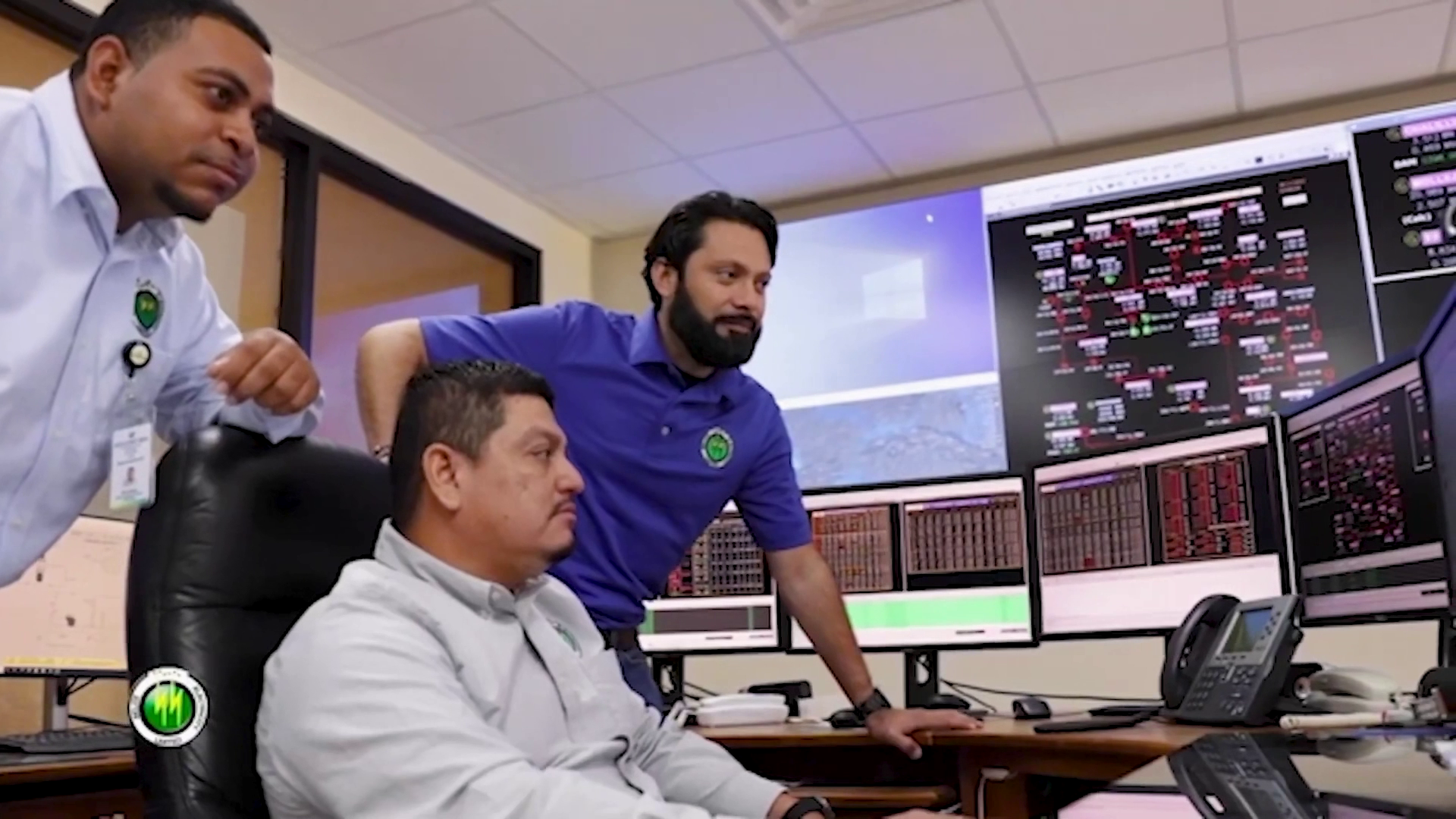
On November 25, 2026, Belize Electricity Limited (BEL) Executive Chairman Dr. Lynn Young addressed widespread public outcry over unprecedentedly steep electricity bills that swept across Belize in preceding months, dispelling widespread consumer speculation that newly deployed smart meters were to blame for the unexpected surges. For months, thousands of Belizean residents had taken to social media platforms to voice frustration over billing statements that in some cases tripled their typical monthly costs, with many low-usage households reporting they received no clear, reasonable justification from the utility provider for the unanticipated charges. Prior to Young’s formal clarification, BEL had floated multiple preliminary explanations for the billing spikes, including unusually high ambient temperatures that trapped residual heat inside residential properties, forcing cooling systems and appliances such as refrigerators to operate at extended, energy-intensive cycles. The company had also previously acknowledged that systemic delays in bank payment processing had contributed to a subset of customer complaints. Many consumers had incorrectly linked the sharp bill increases directly to the rollout of new smart meters, assuming the digital devices were malfunctioning and overcounting power consumption. Young confirmed that the root cause of the most severe spikes associated with smart meter installations was a months-long pattern of artificially low estimated bills for properties where field meter readers had been unable to access physical, legacy analog meters to collect accurate usage data. He cited the Buena Vista residential development as a high-impact example of this dynamic, where meter readers frequently struggled to locate or access units to record real-time consumption figures. For some households, BEL had issued estimated bills that were roughly 20% below actual power use for six to seven consecutive months. The remote, 100% accurate readings enabled by newly installed smart meters then triggered a one-time reconciliation charge to make up for the accumulated underbilling, resulting in the single large bill that shocked many customers. Young emphasized that these one-time catch-up charges would be followed by consistent, accurate monthly billing going forward, with no further unexpected spikes. To prevent similar confusion and consumer frustration moving forward, BEL has rolled out new automated protocols integrated into its customer billing system: the platform now flags any account that is due to receive a reconciliation charge after a prolonged period of estimated underbilling, triggering a proactive outreach step where BEL staff contact the affected customer directly to explain the discrepancy and the upcoming adjusted bill before the statement is formally issued. Young noted that these new procedures have already drastically reduced the volume of public billing complaints, as customers now receive clear advance context for any unusual statement, though isolated minor incidents still occasionally occur.
BEL Chairman: High Bills Came From Months of Low Estimates, Now Corrected by Smart Meters