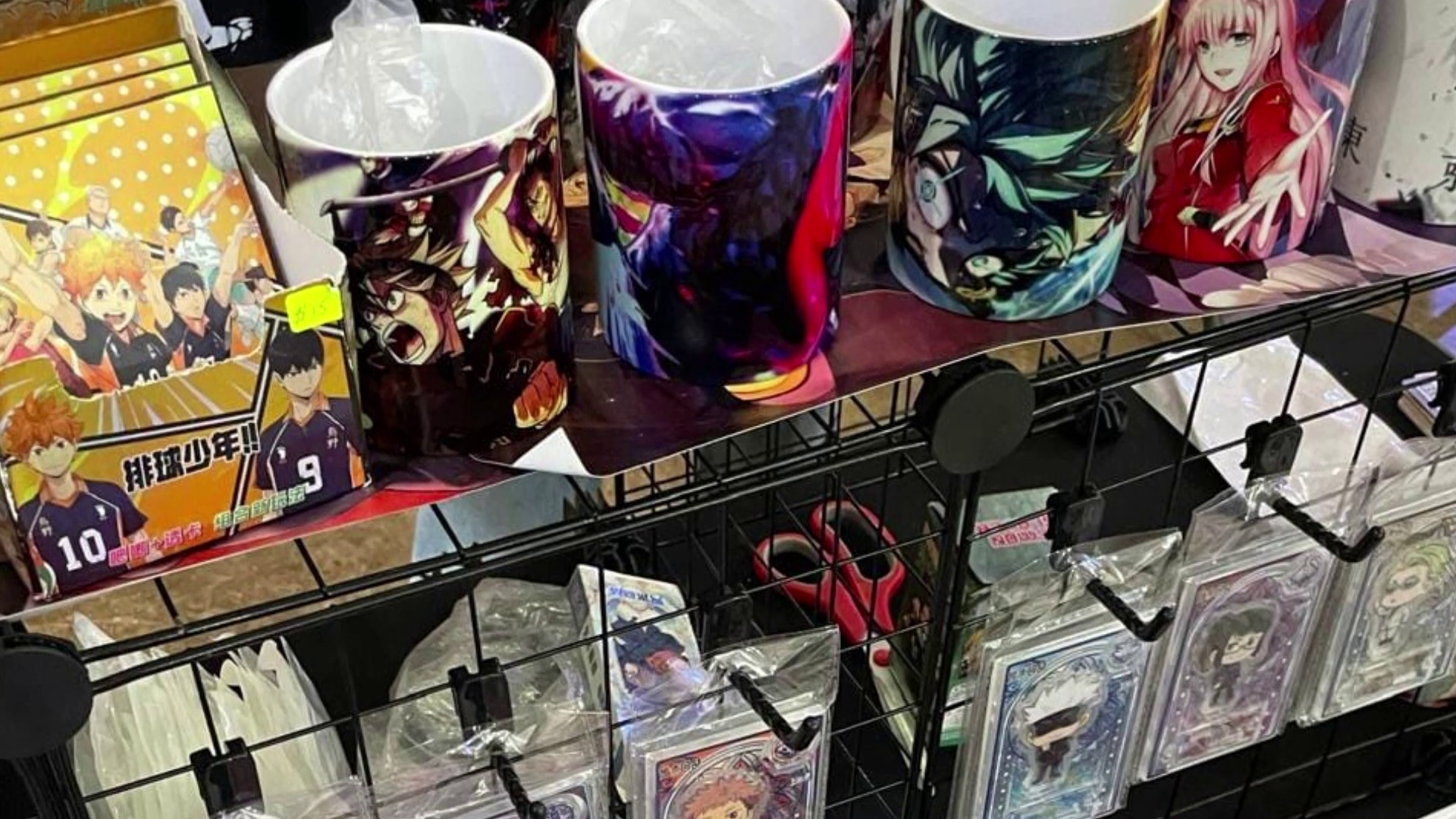
On November 25, 2026, as Black Friday promotions kick off across North America and Christmas festivities loom just weeks away, small and medium-sized local enterprises in Belize are bracing for an unprecedented wave of customer demand that strains every link in their supply chain, from overseas procurement to final doorstep delivery. Among these operators is Tyler Ramirez, the sole founder and proprietor of a beloved local anime café, who is working tirelessly to fulfill a nonstop stream of incoming orders while navigating a fragmented, costly international shipping pipeline that most small business owners in the region cannot avoid.
Unlike large retail chains that can leverage bulk, direct container shipping to cut logistics costs, Ramirez’s operation relies on a two-stage freight route that adds significant overhead and lead time to every product he stocks. His inventory of limited-edition anime merchandise, collectible figurines and themed café supplies is sourced directly from manufacturers in China, shipped in bulk to a U.S.-based freight consolidation hub, and then forwarded onward to Belize via a local third-party logistics partner. This model means Ramirez is responsible for two separate international shipping fees for every shipment, with total transit times ranging from 30 to 60 days depending on supplier production delays and customs processing backlogs.
In the café’s early days, Ramirez handled the entire import process in person: he would travel directly to Belize’s primary port to clear incoming cargo, submit full documentation for customs vetting, and pay all applicable import duties out of pocket, a tedious, time-consuming routine that often ate up hours he could have spent serving customers or processing new orders. He eventually opted to outsource the U.S. consolidation and final Belize last-mile logistics to a dedicated freight forwarder, which has eliminated most of his hands-on port work but has not reduced the dual shipping costs that cut deeply into his already thin holiday profit margins.
As a solo operator, Ramirez notes that the current back-to-back flood of holiday orders far outpaces what he can manage alone. He occasionally brings in part-time temporary helpers to process customer purchases, package orders, and keep the café’s seating area running smoothly, but even with extra casual support, the workload remains overwhelming. He is currently evaluating carefully calibrated expansion plans to scale up his operation to meet growing annual holiday demand, while avoiding overextending his tight operating budget that could put the small independent business at financial risk.
The profile of Ramirez’s café, originally featured as part of a local Belize evening television newscast, highlights the often unrecognized logistical hurdles that small niche retailers across the Caribbean face during peak shopping seasons, as they compete with global e-commerce platforms for local consumer dollars while navigating structural gaps in regional shipping infrastructure.
Back-to-Back Orders, One Owner: Local Anime Café Gears Up for Holiday Rush