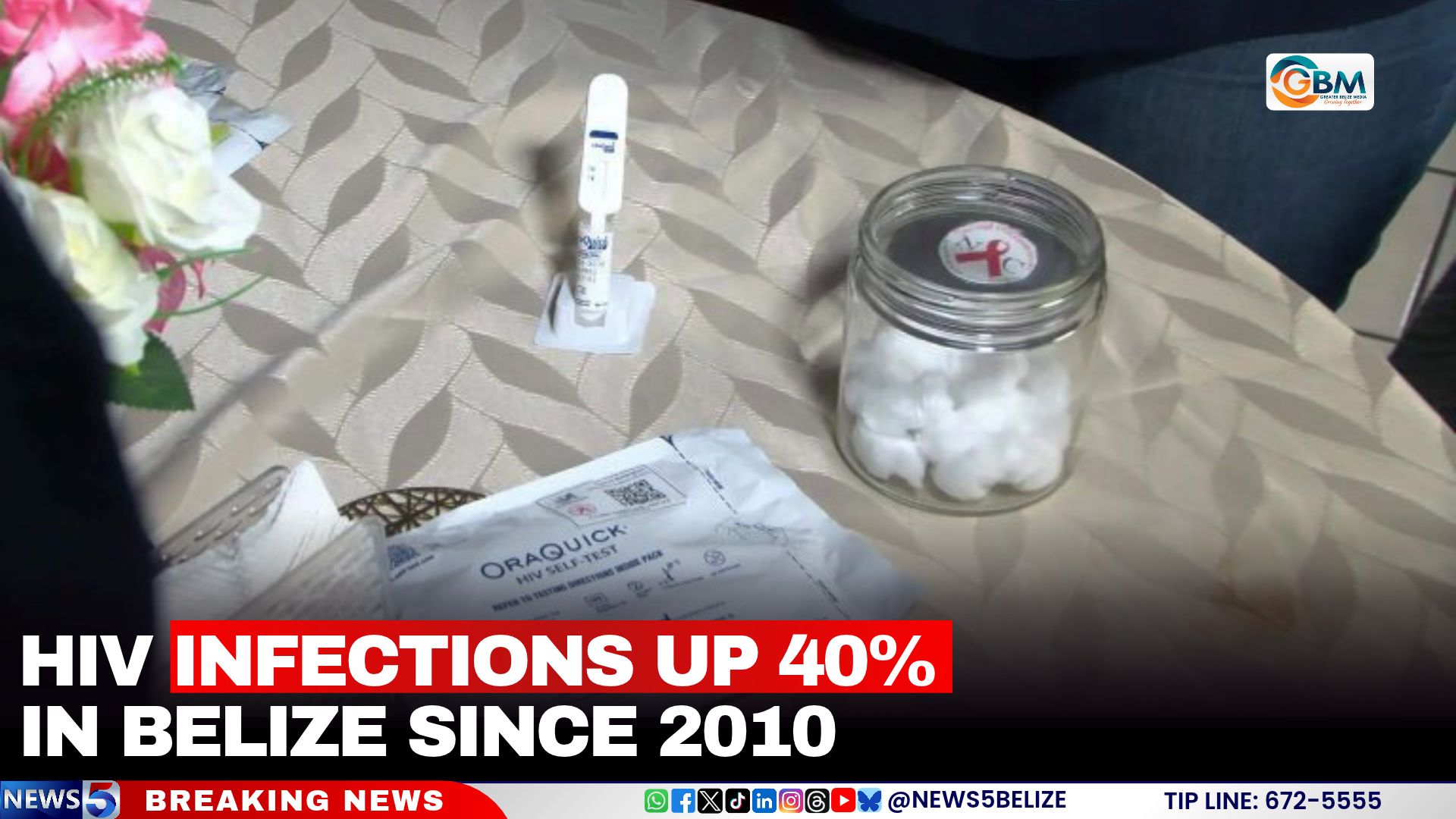
Released on November 24, 2026, ahead of the annual World AIDS Day observance, UNAIDS’ latest flagship report titled *Ending AIDS Starts with Access* lays out a starkly uneven landscape of HIV response across the Caribbean, even as the broader region has made notable strides against the epidemic over the 15-year period spanning 2010 to 2025. While the Caribbean as a whole has recorded a 30% drop in new HIV infections and a 65% reduction in AIDS-related deaths since 2010, two nations stand out as outliers bucking that positive trend: Belize and Suriname, with Belize seeing a nearly 40% rise in new HIV cases over the same timeframe. A notable structural detail of Belize’s national HIV response highlighted in the report is that 100% of the country’s 2025 HIV-related expenditure is sourced from domestic funding streams, with no external donor contributions. This pool of resources covers allocations from the national treasury channeled through the Ministry of Health and Wellness, the National AIDS Commission, and public clinical facilities, alongside out-of-pocket payments from patients, private insurance coverage, and contributions from local private sector entities. The report also acknowledges a key policy milestone Belize achieved in 2023, when it formally repealed longstanding punitive laws that criminalized HIV transmission, non-disclosure of HIV status, and potential HIV exposure. Beyond national-level trends, the UNAIDS document sounds a widespread alarm over cascading cuts to international HIV funding that are already eroding hard-won prevention gains across the entire Caribbean region. Data shows that uptake of pre-exposure prophylaxis (PrEP) – the life-saving daily medication that drastically reduces HIV acquisition risk – plummeted by 55% in 2025 to just 22,000 regional users, while public sector condom distribution fell 26% between 2024 and 2025. The Caribbean remains the world’s region most reliant on U.S. bilateral HIV assistance, which accounted for roughly 40% of all regional HIV resources in 2025 despite a 37% year-over-year reduction in that U.S. funding. UNAIDS Executive Director Winnie Byanyima issued a grave public warning alongside the report’s launch, stating, “The world is sleepwalking into a preventable crisis.” She elaborated on the cascading risks of disinvesting in prevention, noting that collapsed access to services leads to surging new infections, ballooning treatment demand, spiraling healthcare costs, and avoidable loss of life: every shuttered clinic, laid-off community outreach worker, and young woman turned away from free prevention support faces elevated risk of contracting HIV in the near future. Current regional epidemiological data estimates that 340,000 people across the Caribbean are living with HIV as of 2025, 73% of whom – roughly 250,000 people – are accessing life-saving antiretroviral treatment. The region recorded 13,000 new HIV infections and 4,800 AIDS-related deaths in 2025, with an estimated 43,000 people living with HIV who remain unaware of their status, creating unaddressed transmission risks. Byanyima emphasized that new infections are not driven by a lack of effective medical tools, but by systemic barriers that deny vulnerable populations access to proven prevention interventions. She called current global funding trajectories unconscionable, noting that at a moment when groundbreaking new prevention technologies could drastically cut transmission rates, budget cuts are putting those life-saving resources out of reach for the communities that need them most. UNAIDS officials stressed that the full public health fallout of the most recent round of funding cuts has not yet appeared in official epidemiological estimates, as delayed impacts on access to care and prevention services will unfold over the coming years. Even with these setbacks, the agency reaffirms that the global target of ending AIDS as a public health threat by 2030 remains achievable, if immediate, targeted investments are restored: meeting that milestone would prevent 3.2 million additional new HIV infections and avert 1.3 million avoidable AIDS-related deaths across the Caribbean by the end of the decade.