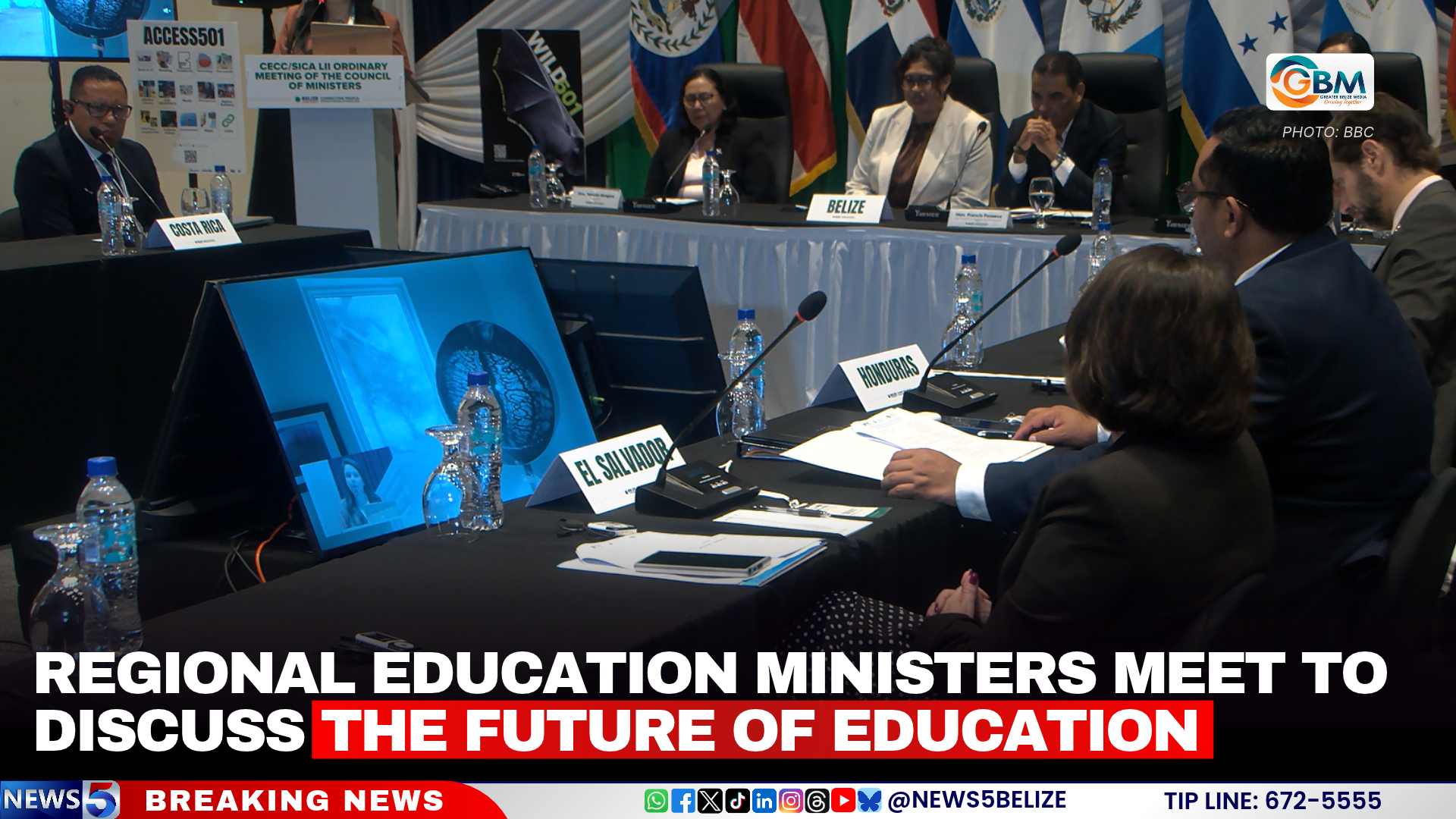
Belize City, November 24, 2026 – Top education and culture officials from seven Central American nations and the Dominican Republic have gathered in Belize’s coastal commercial hub for the 52nd plenary session of the Coordinating Council of Education and Culture of the Central American Integration System (CECC/SICA), a three-day high-stakes convening focused on aligning regional strategies to navigate fast-shifting disruptions to learning systems and safeguard shared cultural legacies. Hosted by Belize’s Ministry of Education, Culture, Science and Technology, the summit is designed to break down silos between national education administrations, create standardized frameworks for addressing 21st century learning challenges, and deepen cross-national collaboration across both the education and cultural preservation sectors. Francis Fonseca, Belize’s lead minister for the combined portfolio, emphasized that the long-running annual gathering serves as one of the region’s most actionable platforms for peer-to-peer knowledge sharing, rather than a mere ceremonial diplomatic event. “Across every country in our bloc, we face overlapping pressures that no single national education ministry can solve in isolation – from adapting curriculums to the rapid rise of generative artificial intelligence to closing persistent equity gaps in rural learning access, to protecting Indigenous and diaspora cultural heritage that transcends arbitrary national borders,” Fonseca told opening delegates. Core agenda items for the three-day closed-door discussions include a comprehensive retrospective of how regional education systems have evolved over the past decade, a gap analysis of unmet needs across primary, secondary and vocational learning tracks, and targeted working groups to develop shared guidance for integrating AI tools safely, ethically and equitably into classroom settings without widening existing digital divides. The summit will also dedicate a full track to cultural policy coordination, with working sessions focused on joint transnational heritage preservation projects, standardized regional curriculums that highlight shared Central American and Caribbean historical narratives, and cross-border creative industry exchange programs for young artists. Fonseca noted that Belize has made measurable progress in recent years expanding universal access to primary education and improving average learning outcomes, but emphasized that national policymakers are eager to learn from peer nations that have pioneered successful AI integration programs and community-led heritage protection initiatives, while also sharing Belize’s own successful bilingual education models with regional counterparts. Organizers project that the summit will conclude with a joint public communique outlining a multi-year regional action plan for education and cultural collaboration, including new joint funding streams for cross-national projects and a shared regional working group on educational technology governance.