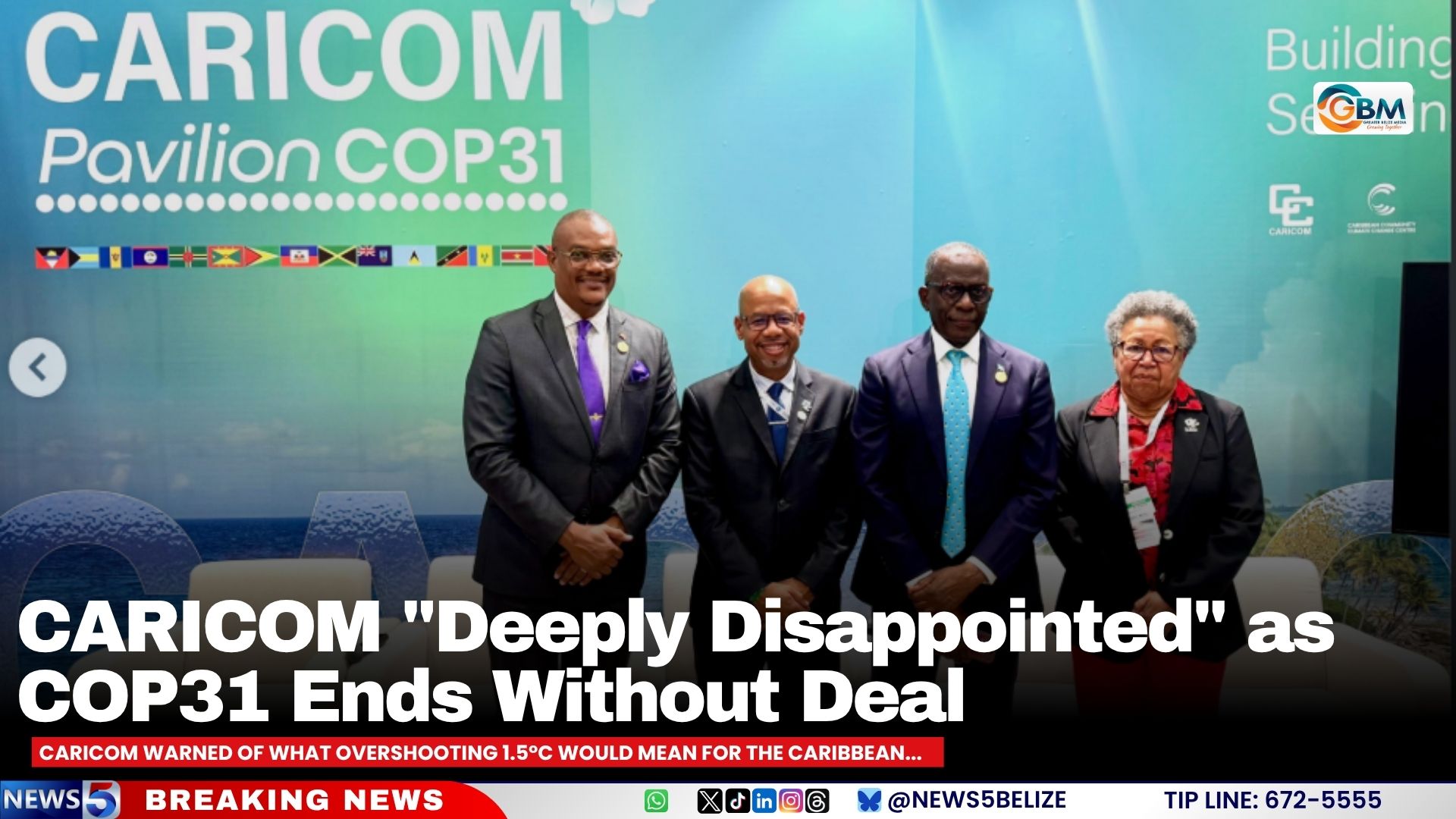
On November 23, 2026, the 31st UN Climate Change Conference (COP31) hosted in Antalya, Türkiye, concluded without a unified overarching cover decision to steer urgent global emissions reduction and adaptation action as the planet edges perilously close to breaching the 1.5°C critical warming threshold, drawing sharp condemnation from the Caribbean Community (CARICOM).
The regional intergovernmental bloc, which represents 15 small island and low-lying coastal nations across the Caribbean, had tabled a series of evidence-based, high-stakes demands throughout the two-week summit, anchored strictly in the latest peer-reviewed research from the Intergovernmental Panel on Climate Change (IPCC). CARICOM’s core proposal called for a legally actionable roadmap to triple global adaptation finance by 2035, complete with a universally agreed funding baseline and verifiable, time-bound milestones to eliminate gaps in delivery tracking that have long plagued climate funding commitments.
In a formal post-summit statement, CARICOM negotiators emphasized that even a temporary, short-term overshoot of the 1.5°C warming limit represents an existential threat to the Caribbean region. Marine ecosystems that underpin 60% of the region’s small-scale fisheries and act as natural sea walls shielding coastal communities from storm surges will face irreversible, mass coral bleaching under extended excess heat stress. Compounding that risk, chronic sea level rise and recurrent, unplanned coastal inundation will erode residential housing, agricultural livelihoods, and fragile freshwater aquifers that millions of Caribbean residents depend on, with some of these permanent losses persisting even if global temperatures are eventually drawn back down to 1.5°C in future decades.
Beyond adaptation finance, CARICOM pushed for structural reforms to international climate funding streams to prevent small island developing states (SIDS) from falling deeper into unsustainable sovereign debt. The bloc’s negotiators advocated for a dramatic scaling up of no-strings public grant funding and highly concessional, low-repayment climate loans, alongside sweeping reforms to the UN’s Loss and Damage Fund to streamline access procedures, accelerate disbursement timelines, and guarantee larger, more predictable annual contributions from high-emitting historic polluter nations.
CARICOM representatives noted that endorsing the weak, unamended draft cover decision circulated in the final hours of COP31 would have rolled back decades of hard-won diplomatic progress for SIDS, and set a harmful, precedent that would weaken global climate ambition for years to come. While the bloc acknowledged that negotiators reached consensus on several narrow, standalone agenda items during the Antalya summit, it stressed that the broader breakdown of talks – widely attributed to deep, unresolvable rifts between nations pushing for a full phase-out of fossil fuels and major fossil fuel exporting states that resisted binding phase-out timelines – leaves the global community a narrow, critical window to deliver a far more robust, equitable outcome at the upcoming COP32, while implementing long-overdue reforms to make the UN climate negotiation process more efficient, inclusive, and transparent for vulnerable nations.
CARICOM “Deeply Disappointed” as COP31 Ends Without Deal