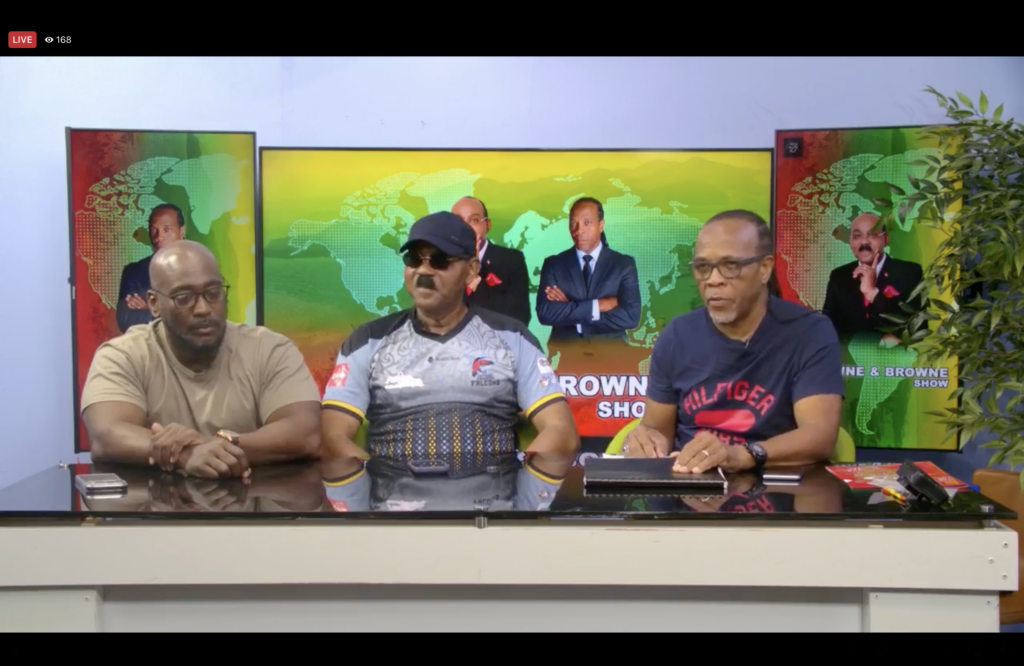
During a recent guest appearance on the *Browne and Browne Show*, Antigua and Barbuda’s Prime Minister Gaston Browne addressed growing public scrutiny over the country’s generous hotel tax incentive schemes, which can extend for 20 to 25 years for qualifying tourism development projects. Browne emphasized that the far-reaching concessions, formally enshrined in the national Investment Authority Act, are a non-negotiable tool to draw foreign direct investment in the hospitality sector, as competing Caribbean nations routinely offer comparable or more generous packages to court hotel developers. The prime minister outlined that the core design of the incentives is to slash upfront operational costs for new hotel projects, allowing developers to reach profitability within a reasonable timeline that would not be feasible under standard local tax rates. He warned that rolling back the unilateral concessions at this stage would push prospective investors to shift their planned projects to neighboring regional markets, eroding Antigua and Barbuda’s long-term tourism growth prospects. Browne directly pushed back against opposition criticism of the policy, pointing out that the legislative framework authorizing the tax breaks was originally passed when the rival United Progressive Party held administrative power, framing the current opposition attacks as inconsistent with their prior governance record. Even as he acknowledged that 20 to 25 year tax holidays could appear disproportionately lengthy on paper, Browne noted that no single Caribbean nation can afford to unilaterally scale back its incentives without putting itself at a severe competitive disadvantage in the regional tourism investment race. Instead, he called for a coordinated, multilateral dialogue among all Caribbean government leaders to standardize and rationalize the patchwork of hotel tax concessions across the region, a move that would allow every participating nation to capture higher public revenue streams from booming tourism development without losing their competitive edge. The prime minister declined to release specific details on which ongoing hotel projects benefit from the multi-decade tax breaks, calculate the exact amount of annual public revenue the government forgoes due to the schemes, or confirm whether preliminary regional discussions on harmonizing incentive policies have already been launched. His public remarks arrive at a moment of intensifying national debate across the Caribbean over the hidden public fiscal costs of generous tax carve-outs offered to attract large-scale international tourism investments, as local communities increasingly demand greater returns from the fast-expanding hospitality sector.
Prime Minister Gaston Browne defends long-term hotel tax breaks in Antigua and Barbuda