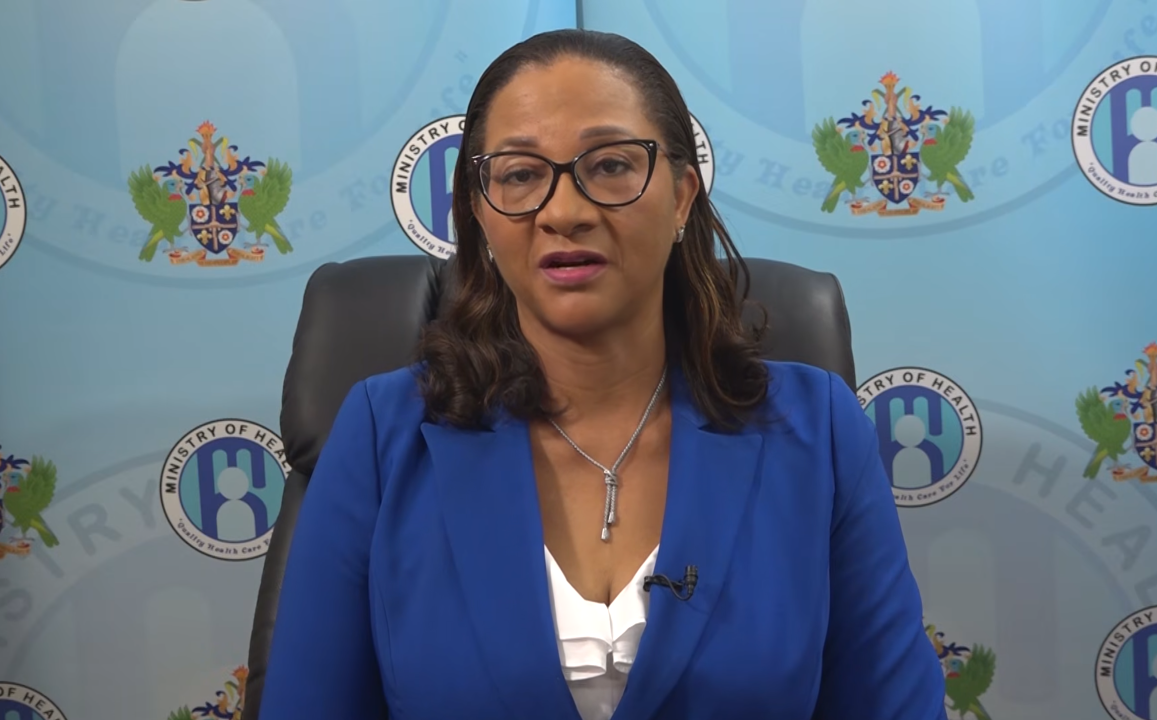
Delivering a landmark public address to mark 2024’s International Men’s Day on November 19, Saint Lucia’s Chief Medical Officer Dr Sharon Belmar-George has sounded a stark, evidence-backed alarm over a disturbing surge in preventable fatalities among young local men, many of whom had unrecognized or inadequately managed chronic health conditions that were only identified during post-mortem autopsies.
Drawing on six months of recent surveillance data collected by the Ministry of Health, Dr Belmar-George outlined a cascading set of interconnected health disparities facing Saint Lucian men that extend far beyond unaddressed non-communicable diseases (NCDs). Official 2024 demographic data confirms that the average life expectancy for men in the country stands at just 70.9 years, a full seven-year gap behind the average life expectancy for women. NCDs represent the top killer of local men, with cancer leading mortality rates, followed by cerebrovascular events including strokes, cardiovascular disease, and chronic obstructive pulmonary disease (COPD) — a condition that Dr Belmar-George noted is increasingly claiming the lives of much younger male populations than previously documented. An additional 14.5% of male deaths are tied to preventable injuries and community violence.
The disparities stretch across physical, mental, and social health outcomes: 99.3% of inmates at the Bordelais Correctional Facility identify as male, and men make up 64% of all patients receiving care at the National Mental Wellness Centre. Dr Belmar-George emphasized that nearly all of the recent unexplained young male deaths reviewed by health authorities could have been averted through routine preventive screening, timely diagnosis, consistent clinical management of chronic conditions, adoption of balanced healthy lifestyles, and regular engagement with primary care services.
While the Ministry of Health has already rolled out expanded targeted interventions including a dedicated, enlarged Men’s Health Clinic, fully subsidized prostate screening sessions, public health education campaigns, workplace wellness programming, and community-wide health fairs, alongside new partnerships with local sports organizations to reach harder-to-engage male populations, Dr Belmar-George stressed that meaningful progress cannot be achieved by the health sector in isolation. She issued a multi-stakeholder call to action aligned with this year’s global International Men’s Day theme “The Future is Everyone”: urging men to prioritize their own well-being by scheduling routine check-ups at local Community Wellness Centres or with private providers in the coming months; encouraging female family members, partners, and friends to check in on the men in their lives and support them to access overdue medical reviews; calling on parents to model positive health behaviors and provide consistent emotional support for boys and young men; pushing employers to embed structured workplace health activities and accessible mental health support for all male staff; and advocating for strengthened school-based programs that can identify early warning signs of delinquency in at-risk boys and deliver targeted supportive interventions, alongside cross-cutting policies that build healthier physical and social environments across schools, workplaces, and entire communities.
CMO warns of preventable deaths among young men