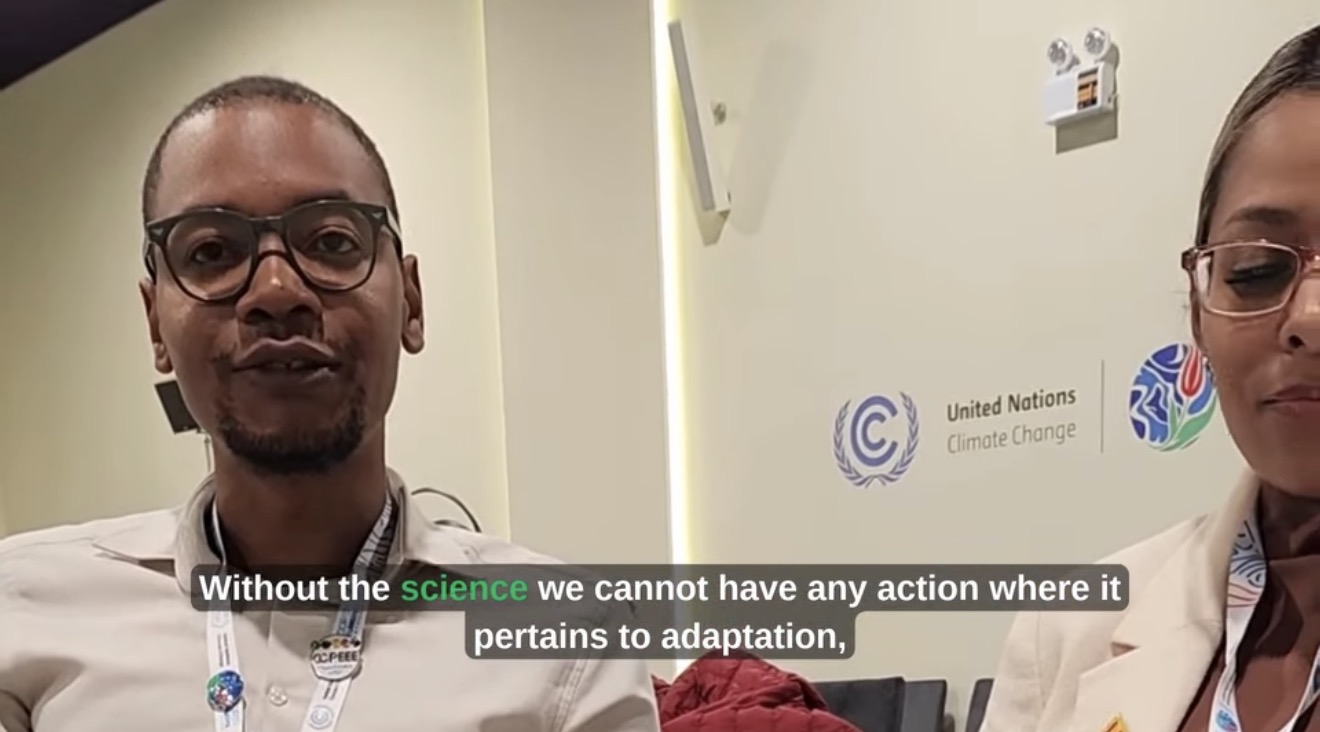
At the 31st UN Climate Change Conference (COP31) hosted in Türkiye, Antigua and Barbuda, in partnership with the Alliance of Small Island States (AOSIS), has secured landmark, high-stakes outcomes during the negotiations focused on Research and Systematic Observation (RSO), a core technical track dedicated to advancing shared global understanding of evolving climate risks. The RSO negotiating track wrapped up formal deliberations on Saturday, delivering a framework that codifies unprecedented global recognition of rapidly accelerating planetary climate breakdown and the urgent, unmet need to center the survival needs of climate-vulnerable low-lying island nations that have contributed the least to historic greenhouse gas emissions. National delegations formally signed off on a consensus statement that validates the latest peer-reviewed climate data, including trends of steadily climbing global average temperatures, record-breaking atmospheric greenhouse gas concentrations, unprecedented ocean heating, faster-than-projected sea level rise, and accelerating glacial melt across every major ice basin. The agreement also explicitly reaffirms the catastrophic, cascading risks of breaching the internationally agreed 1.5°C global warming threshold, a line that Antigua and Barbuda and fellow AOSIS members have spent decades advocating to preserve. For Antigua and Barbuda specifically, these validated, globally acknowledged climate realities carry existential stakes: the small twin-island nation faces heightened, near-term threats of total beach erosion, permanent inundation of low-lying coastal settlements, collapse of its tourism sector that makes up nearly half its national GDP, widespread damage to artisanal and commercial fisheries, disrupted staple crop agriculture, and chronic freshwater scarcity as saltwater intrusion contaminates underground aquifers. The final RSO conclusions also embed concrete, actionable mandates that were absent from prior COP agreements, including commitments to scale up cross-border weather monitoring infrastructure, roll out universally accessible, high-precision early warning systems for extreme weather events, and compel high-emitting developed nations to deliver scaled-up financial and technical support to small island developing states. Negotiators also secured binding language that enshrines equitable, non-discriminatory access to critical climate data, low-cost adaptation technology, and hands-on skills training for local communities, giving small island nations the tools to proactively prepare for and mitigate the impacts of intensifying hurricanes, catastrophic coastal flooding, extended droughts, and other extreme climate hazards that have grown 30% more frequent in the Caribbean region over the past 20 years. While the newly adopted framework does not immediately unlock dedicated, earmarked climate funding for vulnerable nations, it creates a formal, internationally recognized legal and scientific foundation that AOSIS members can leverage to push for disbursement of long-promised climate finance, and to hold high-emitting nations accountable for their unfulfilled adaptation support commitments. Senior officials from Antigua and Barbuda’s COP delegation emphasized that the win extends far beyond a procedural scientific milestone: it represents a tangible, hard-fought step toward safeguarding the lives of thousands of local residents, protecting the livelihoods that underpin the national economy, preserving the country’s unique fragile coastal ecosystems, and securing a livable future for generations of Antiguans and Barbudans to come.
Antigua and Barbuda Secures Key Climate Science Gains at COP31