As of November 11, 2026, the national Public Utilities Commission (PUC) has launched a formal public consultation period to evaluate a proposed policy change that would double the existing monthly Cost of Power Adjustment (COPA) cap from 5% to 10%, a move that could lead to far more volatile shifts in residential and commercial electricity bills from one billing cycle to the next.
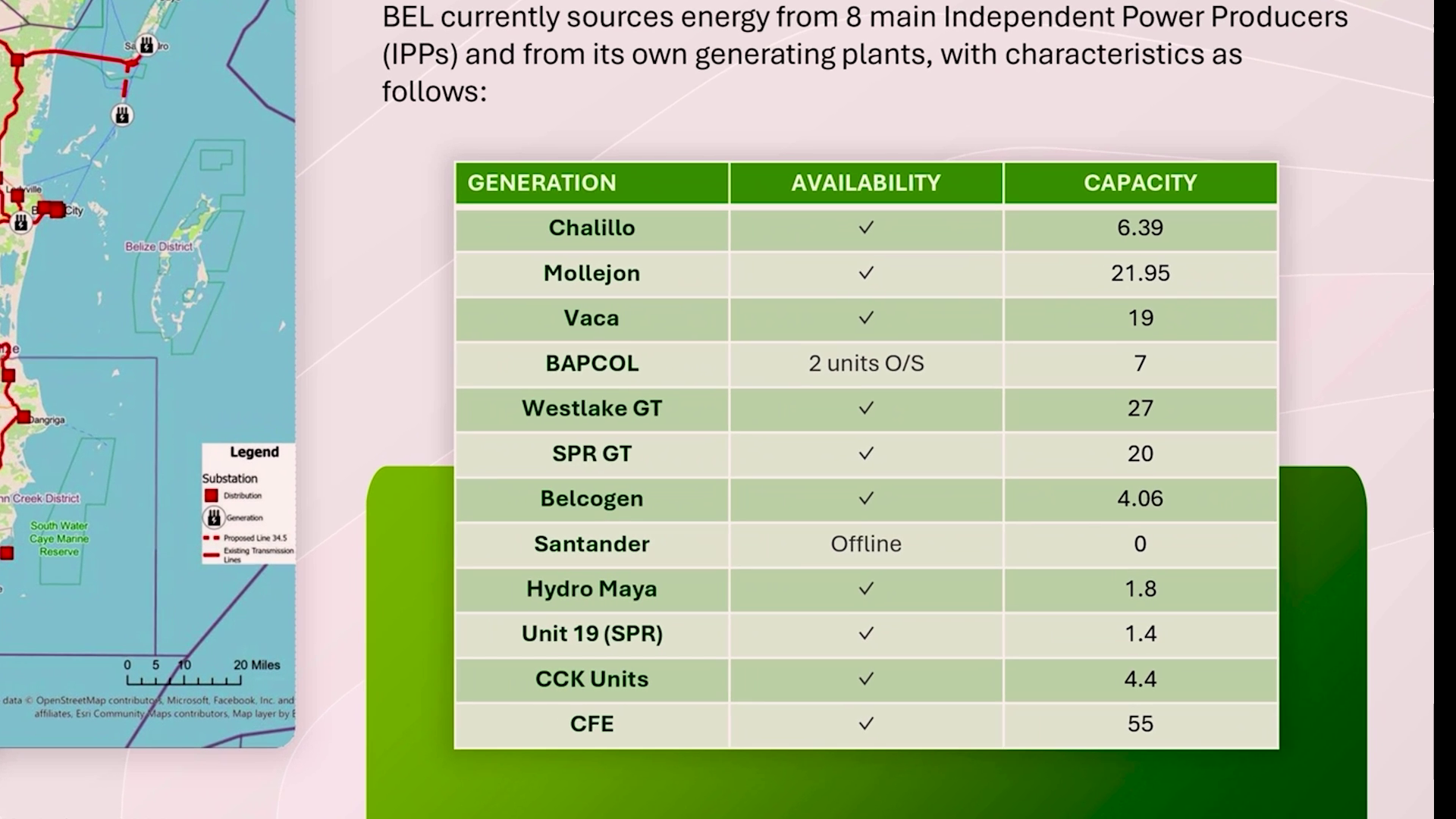
The proposal was introduced amid sustained operational pressures facing national power provider BEL, which currently spends nearly $2 million monthly on diesel-fueled power generation, pushing the actual cost of supplying electricity well above the pre-set reference price that underpins the existing 5% adjustment limit, according to Dr. Leroy Almendarez, Chief Executive Officer of the Ministry of Energy.
Under the current longstanding COPA framework, regulators calculate a six-month average of power generation costs to set a baseline reference rate, currently pegged at roughly 30 cents per unit, with any deviations from that baseline capped at a 5% monthly adjustment to shield consumers from sudden, extreme price spikes. The proposed revision would lift that cap to 10%, allowing both larger upward adjustments when generation costs surge, and larger downward reductions if fuel prices fall significantly.
Dr. Almendarez emphasized that the COPA mechanism is designed as a neutral pass-through structure, meaning all fluctuations directly reflect real costs incurred by the power provider rather than profit margin increases. He noted that the PUC has deliberately opened the review to public input, urging households and business owners to submit detailed, reasoned feedback rather than unsubstantiated yes-or-no stances, as the proposal directly ties to broader cost of living pressures facing the public. The public comment window’s exact expiration timeline has not been widely publicized, but regulators have confirmed all submissions will be reviewed thoroughly before a final ruling.
The PUC retains full authority to approve, reject, or modify the proposed cap increase, and will base its final decision on a formal audit of BEL’s recent diesel generation expenditure records, public feedback, and assessments of the policy’s potential impact on household finances and local economic activity.