On a Friday afternoon, the U.S. Federal Aviation Administration (FAA) issued a sweeping nationwide ground stop order that halted all commercial and private air travel operations across the country, triggered by cascading communications disruptions impacting its network of regional air traffic control hubs. The official FAA directive framed the unprecedented temporary pause as a mandatory safety precaution enacted under extraordinary, unforeseen operational circumstances to eliminate avoidable risks for airborne crews and passengers. U.S. Secretary of Transportation Sean Duffy confirmed that the technical failure had disrupted core communications channels across all 22 regional en-route air traffic control facilities that coordinate flight paths for aircraft traveling between airport hubs, and that specialized FAA technical teams had been deployed to diagnose the root cause of the outage. This marks only the third full national ground stop in modern U.S. aviation history: the prior instance occurred in January 2023 following a critical failure of a core FAA flight notification computer system, and the only other full nationwide grounding was implemented in the immediate aftermath of the September 11, 2001, terrorist attacks. The disruption unfolded even as federal authorities have been executing a long-planned modernization of the U.S. air traffic control system’s aging legacy infrastructure, after Congress allocated $12.5 billion in dedicated funding for the initiative the previous year. To date, crews have replaced thousands of miles of decades-old copper wiring with high-speed fiber optic cabling, and incremental upgrades to legacy analog radio systems have been rolled out at airports across the country. However, the full overhaul remains far from complete: Secretary Duffy has repeatedly estimated that an additional $30 billion in dedicated appropriations will be required to finish the full system refresh, and the Biden administration has recently launched a formal lobbying push to convince congressional lawmakers to approve the remaining funding allocation. Veteran aviation safety expert and former United Airlines pilot Steve Arroyo noted that the scope of Friday’s outage mirrored a smaller regional communications failure that crippled hundreds of flights across the U.S. Northeast back in September, except this latest incident unfolded on a national scale, and preliminary indicators suggest it is closely tied to the remaining pockets of unupgraded, obsolete infrastructure still in use across the air traffic control network. Arroyo explained that the mandatory ground stop was the only viable safety response under the circumstances, noting that without reliable communications links between regional controllers and airborne aircraft, operators could not safely manage flight paths to prevent midair conflicts or navigational errors. He also emphasized that this week’s grounding was operationally distinct from the emergency order issued after the 2001 attacks: no aircraft already in flight were ordered to divert and land immediately, and pilots maintained consistent communications with local airport ground control teams for the full duration of the disruption.
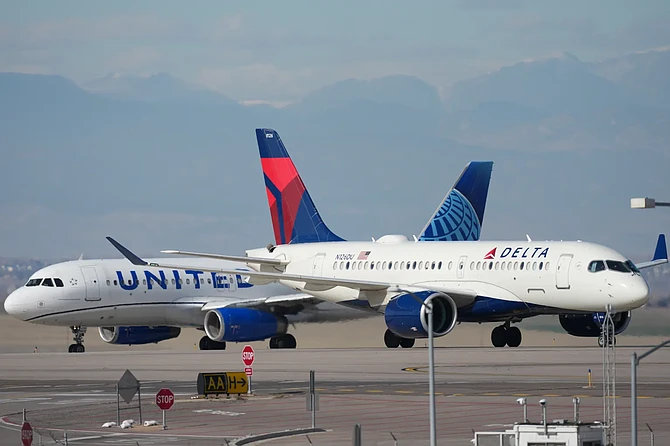
Flights halted at airports across US due to air traffic control communications problems, FAA says