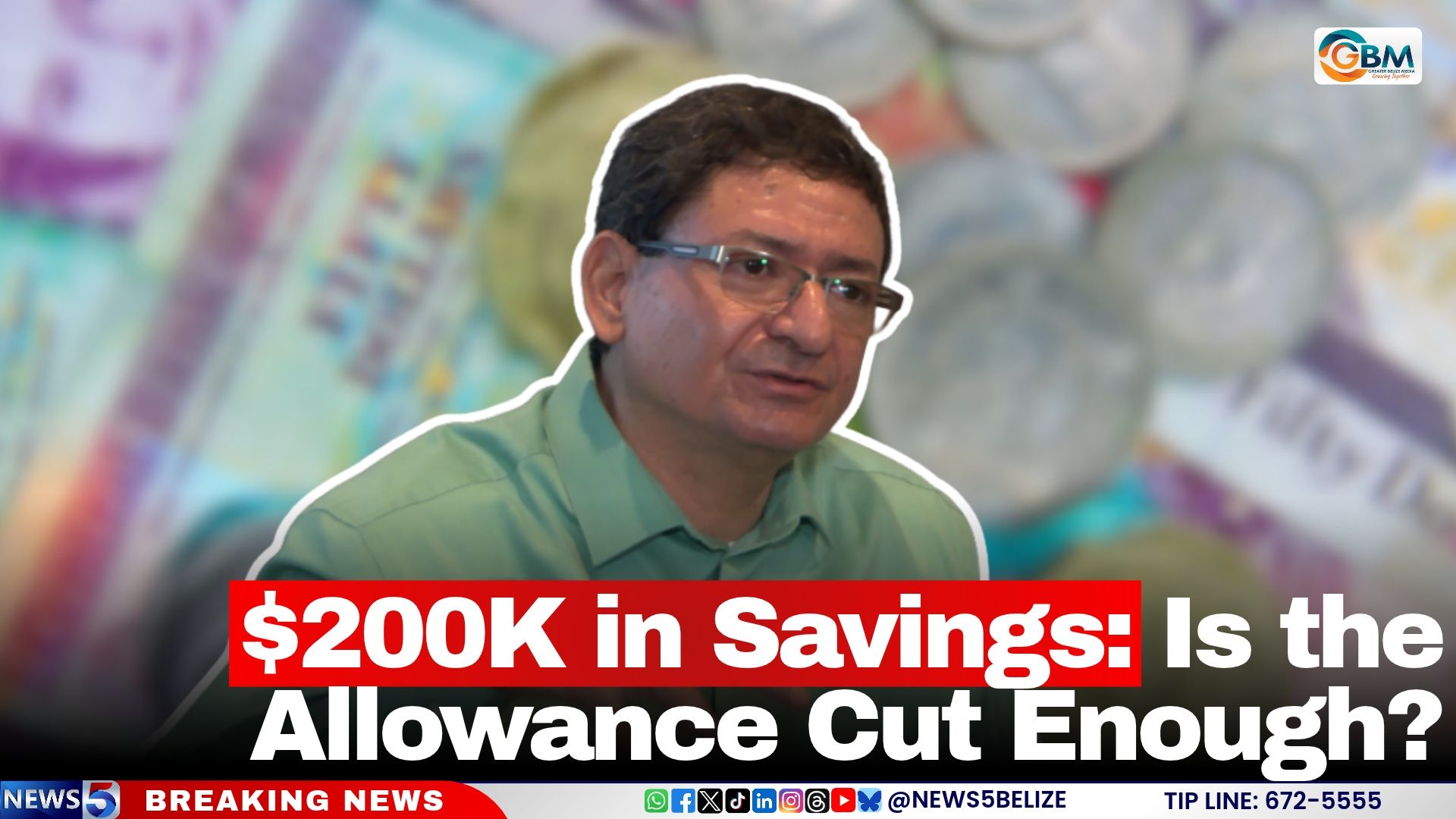
On November 12, 2026, out of Belize District, new fiscal policy details have emerged following a cabinet decision to slash ministerial allowances by 50%, a reform projected to generate roughly $200,000 in annual cost savings for the national government. While the fiscal trim has been framed by the administration as a tangible step to reduce public expenditure amid widespread household financial strain, Dangriga Area Representative Dr. Louis Zabaneh has pushed back on framing the policy as a substantive solution to the country’s ongoing cost-of-living crisis, describing the allowance reduction as largely a symbolic gesture. In an exclusive interview with local outlet News 5, Zabaneh acknowledged that the projected $200,000 in annual savings is a welcome contribution to public coffers, but emphasized that far more impactful interventions are required to support low- and middle-income households grappling with steeply rising daily expenses. He specifically highlighted two underfunded programs: expanded direct housing assistance and subsidized grocery support, both of which he argued deliver far more immediate, life-changing relief to vulnerable families than the relatively modest savings generated by the ministerial pay cut. Drawing on on-the-ground data from his Dangriga constituency, Zabaneh noted that his office fields urgent, weekly requests from local residents living in dilapidated housing, many of whom report leaking roofs and structurally unsound homes that pose safety risks for children and elderly family members. He argued that directing additional public funds to targeted housing support would directly resolve these unmet, critical community needs. The push to channel greater public resources through elected area representatives has, however, sparked widespread public debate over risks of political favouritism, misuse of public funds, and weak accountability mechanisms that could allow resources to be distributed along partisan lines rather than based on genuine community need. Zabaneh addressed those concerns directly, outlining that the Ministry of Finance has established strict oversight protocols that require all area representatives to submit full, verifiable documentation proving every dollar of allocated public funds was spent on approved, community-focused projects before any subsequent disbursements are approved. Even with those safeguards in place, Zabaneh stressed that the system ultimately relies on the personal integrity of each elected official to ensure resources reach the most vulnerable constituents, and that the overarching goal of all public assistance programs should be to meet immediate, urgent needs without creating cycles of long-term dependency on political handouts. To that end, Zabaneh also laid out a longer-term strategy to reduce community reliance on short-term aid, urging young residents across his constituency to enroll in vocational training programs offered by the Institute for Technical and Vocational Education and Training (ITVET), or re-engage in part-time night classes to build marketable skills that will expand their long-term employment and earning prospects, creating sustainable financial stability independent of periodic government support.