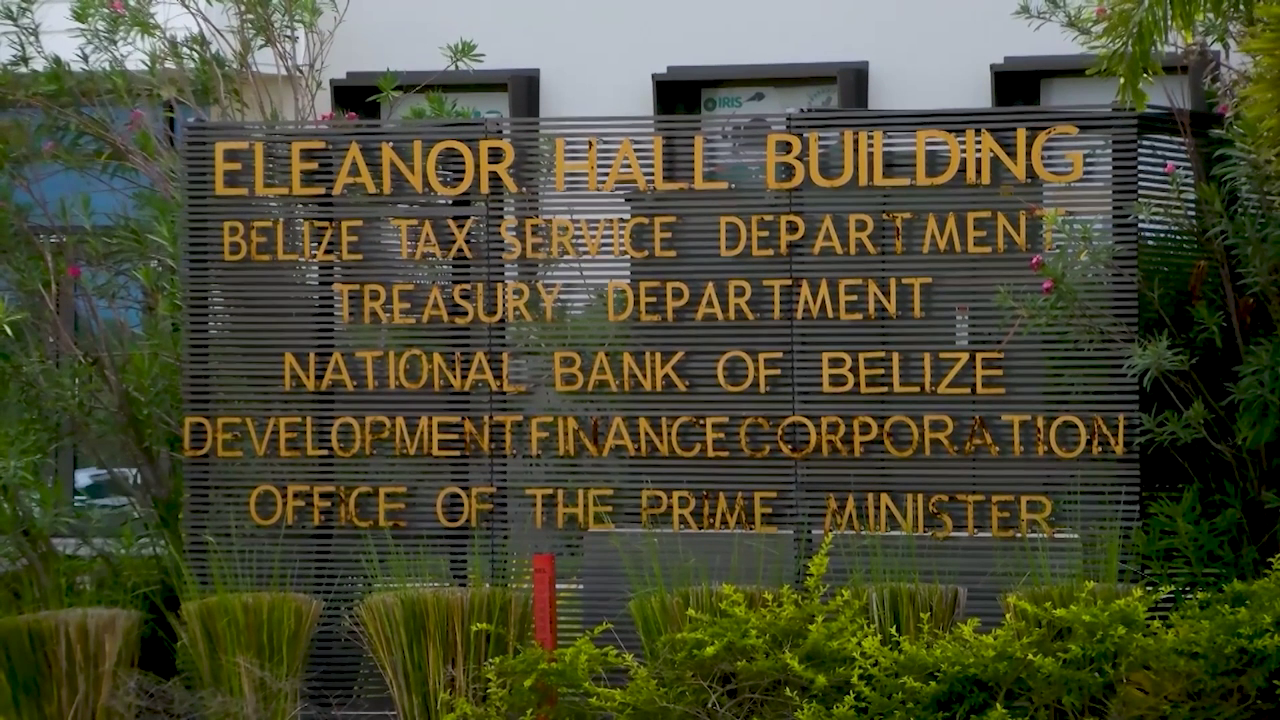
Originally framed as a landmark overhaul of Belize’s national revenue collection framework, the planned Semi-Autonomous Revenue Authority (SARA) now faces an unclear path forward after months of total disengagement between the John Briceño administration and the official public sector workers’ bargaining body, local union leadership confirmed in mid-November 2026. Dean Flowers, president of Belize’s Public Service Union (PSU), which serves as the legally recognized representative for staff at the country’s Business Tax Service Department (BTSD), laid out the complete breakdown in cross-stakeholder dialogue during recent public remarks, noting that the once-promising reform initiative has seen no coordinated discussions since a single exploratory meeting in April 2026. Flowers detailed that prior engagement on SARA only spanned three formal gatherings total: a first session in December 2025, convened after the PSU filed an official trade dispute the previous November over concerns about the reform’s potential impacts on public sector roles; a second mediated February 2026 meeting facilitated by the national Labor Commissioner, which resulted in the union agreeing to withdraw its dispute on the condition that ongoing, transparent dialogue would guide all SARA development work; and a final April 2026 session to review draft terms of reference for a proposed post-project steering committee. In the seven months following that last April check-in, Flowers confirmed there has been zero communication between the PSU, the Ministry of Finance, the national Tax Department, or any other relevant government agency related to SARA’s design, rollout timeline, or operational scope. The union leader pushed back explicitly against any unsubstantiated official claims that stakeholder consultations remain active, emphasizing that such assertions are factually untrue. “At this juncture, I have no visibility whatsoever on where the SARA proposal stands,” Flowers stated. “We have no clarity on whether the entire reform process has been put on indefinite hold, been substantially revised behind closed doors, or is moving forward entirely without input from the workers who will be central to its day-to-day operation.” The SARA initiative was initially pitched by the Briceño administration as a structural reform designed to streamline tax and revenue collection processes, reduce administrative red tape, and boost national revenue yields by granting the new semi-autonomous body greater operational flexibility than the existing public tax department structure. The extended lack of updates has left public sector tax staff, industry stakeholders, and ordinary citizens with no timeline for when, or if, the proposed revenue authority will ever be formally established.