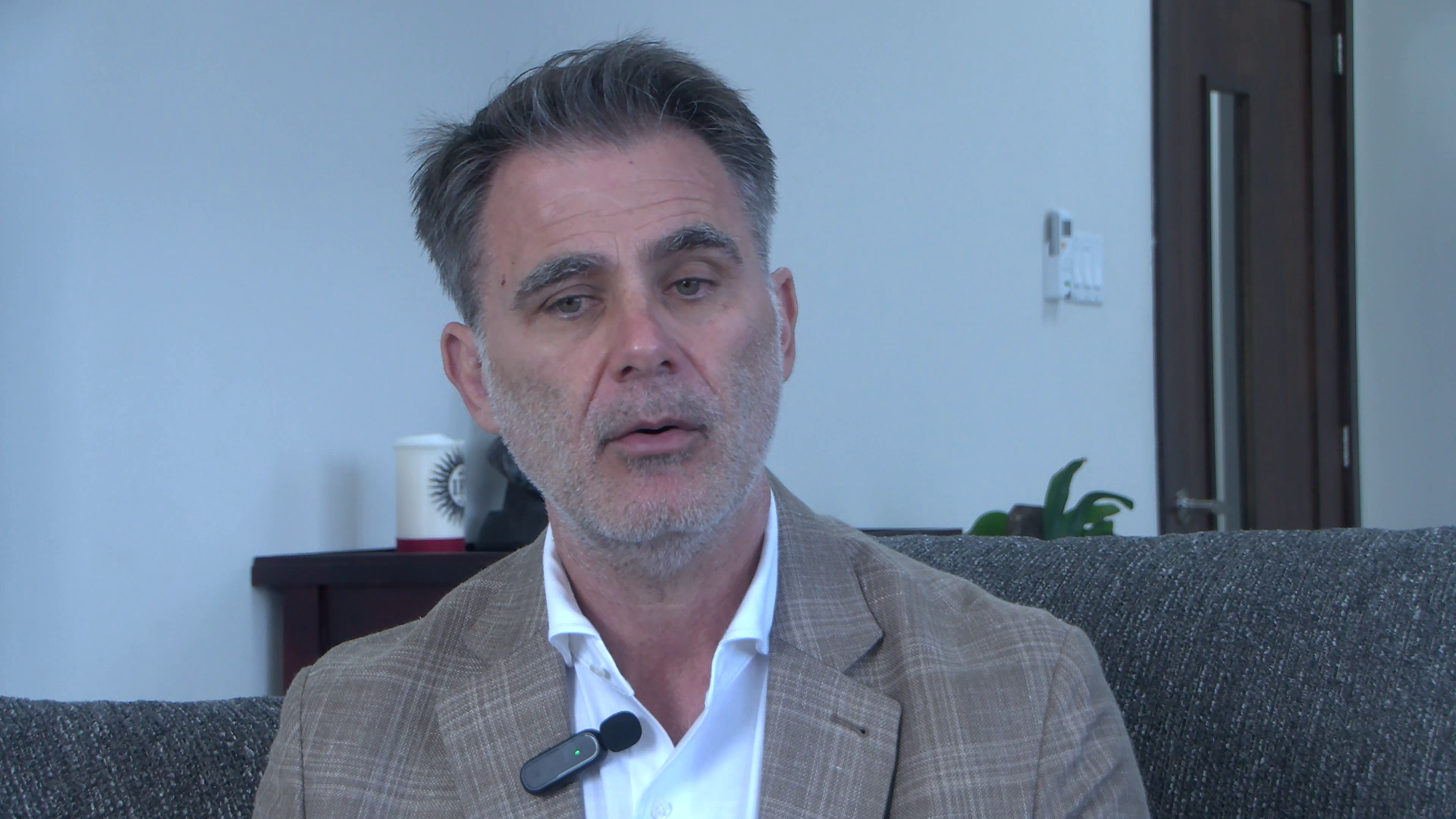
On November 10, 2026, following a stunning midterm election outcome that handed unified control of both the U.S. House of Representatives and Senate to the Democratic Party, delivering a clear political rebuke to President Donald Trump and his Republican caucus, U.S. Ambassador to Belize Andre Bauer offered a measured, in-depth assessment of the results and the state of American democratic governance in an exclusive interview with local news outlets.
The sweeping Democratic takeover of Capitol Hill has upended the prior balance of power in Washington D.C., sparking widespread national debate over the core voter priorities that drove the historic shift, from persistent cost-of-living pressures to unmet household economic needs. As a prominent Republican public servant serving in a diplomatic posting abroad, Bauer framed the election results not as a failure of the U.S. political system, but as a tangible demonstration of its core design working as intended by the nation’s founding framers.
“Our U.S. governing and electoral frameworks are far from perfect, and we have well-documented flaws in how we administer public business and select our leaders,” Bauer noted during the sit-down discussion. “Even so, it remains one of the most resilient democratic systems on the global stage. Our forefathers built a deliberate mechanism: every two years, voters get a direct opportunity to make their voices heard if the representatives they elected fail to deliver on the expectations they set for governing.”
Acknowledging that his own party’s underperformance in the midterms fell far short of his personal hopes, Bauer emphasized that the outcome was a sign of systemic health rather than decline. “This result reaffirms that our democracy is functioning, and it reinvigorates the core promise of freedom in a society where ordinary people’s priorities cannot be permanently ignored,” he explained.
Bauer went on to outline a key tension facing elected officials across partisan lines: the delicate balance between advancing long-term, generational policy goals and responding to the immediate, pressing daily struggles that shape most voters’ ballot decisions. “Too often, leaders have to implement policies whose benefits will not be felt for years, even for generations that come after us,” he said. “But many voters cast their ballots based on their current lived experience, what I refer to as ‘bumper sticker solutions’ — they are worried about high gas prices, stubbornly elevated inflation, and putting food on their tables tonight, and that is a completely legitimate priority.”
He warned that any administration, regardless of party affiliation, that fails to strike that careful balance risks losing the public mandate required to advance any long-term strategic vision. The full unedited interview was broadcast as part of the outlet’s evening television newscast, with any segments originally delivered in local Kriol transcribed using a standardized, official spelling system for accuracy.