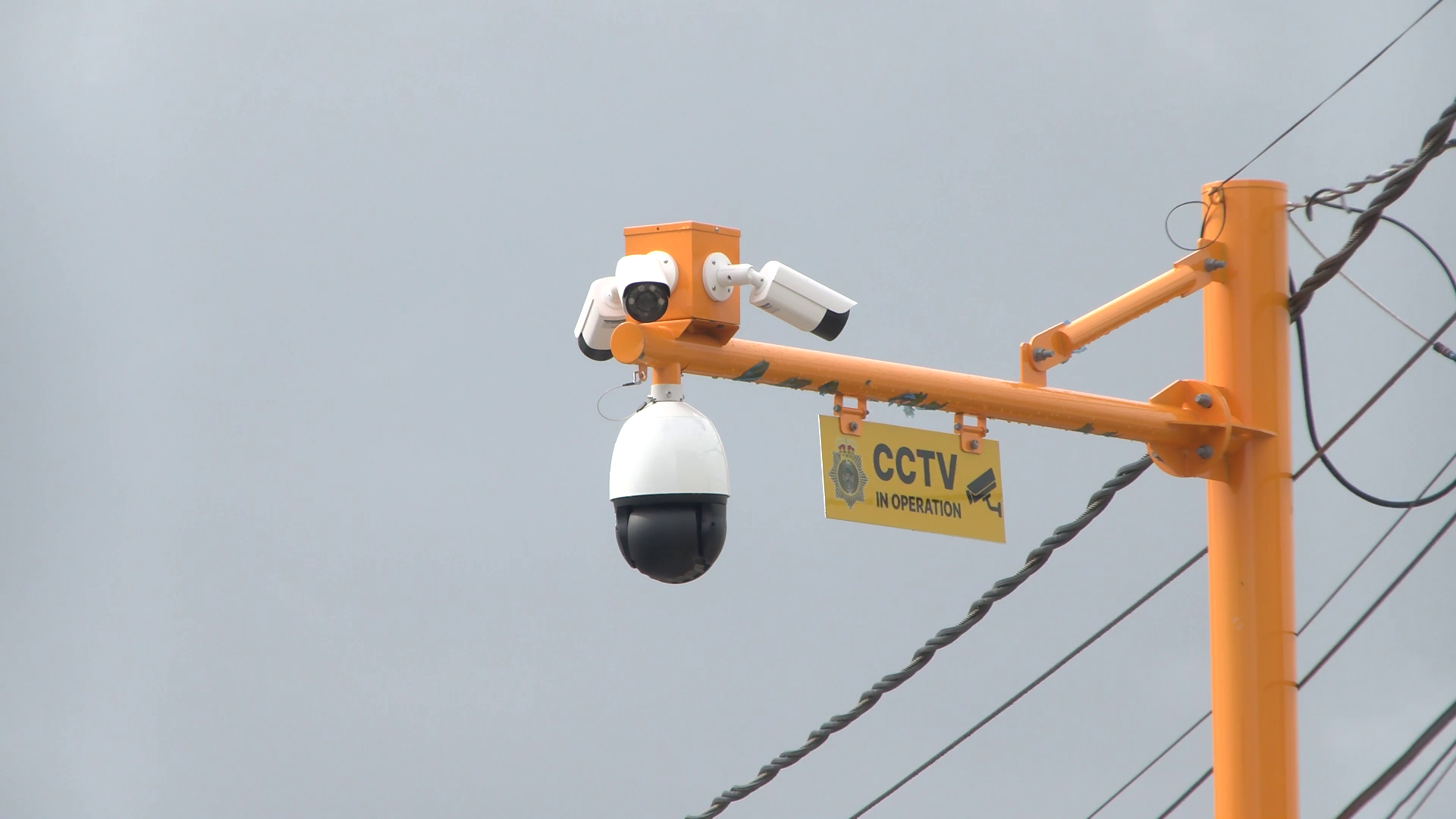
Nearly two years following the full rollout of Belize’s landmark nationwide public surveillance initiative, hundreds of high-definition cameras now stand watch across the country’s busiest thoroughfares, key intersections, and documented high-crime hotspots, with officials planning to expand the network to 1,000 total units in the near future. Equipped with night vision, long-range zoom, and in select locations, facial recognition and automatic license plate recognition functionality, the system is paired with a dedicated police Crime Fusion Center that processes captured footage alongside data from the national law enforcement drone unit. Law enforcement leadership frames the technology as a transformative upgrade to investigative workflows, noting it has already delivered tangible results across high-profile cases. Most recently, the system is supporting the active probe into the killing of 19-year-old Shiloh Coleman, where investigators used camera feeds to narrow down the possible location of the missing vehicle linked to the crime, with teams actively pursuing leads generated from the footage. In a separate recent case, surveillance footage helped identify two suspects accused of robbing an Orange Walk-based businessman at gunpoint, leading to their swift arrest and the seizure of the suspected getaway vehicle. Despite these investigative wins, senior officers including ASP Stacy Smith acknowledge the current system carries notable operational frictions: the massive volume of raw footage requires hours of manual review by overstretched staff, creating bottlenecks when multiple major crime cases unfold simultaneously. To address this gap, the Belize Police Department is actively lobbying a partner agency to deploy advanced artificial intelligence tools that can automatically flag relevant activity in footage, cutting down manual labor requirements and freeing more officers to patrol on the ground. The rapid expansion of the camera network has also sparked growing public debate over two core unresolved concerns. First, widespread questions remain over whether the system actively deters criminal activity before offenses occur, or if it only serves as a post-incident tool to solve crimes after harm has already been done. Second, rising privacy worries have prompted calls for clear regulatory guardrails to prevent misuse of the continuous public monitoring feeds, even as police leadership vows the system is targeted exclusively at criminal elements and will not intrude on ordinary citizens’ private lives. A related challenge has emerged as criminal actors have begun targeting the cameras themselves: a Belize City man named Jimmy Rojas was recently arrested and slapped with two criminal charges for vandalizing two separate surveillance units. Police Commissioner Dr. Richard Rosado is now pushing for formal legislative amendments to raise the currently low penalties for tampering with or damaging public surveillance equipment, arguing the existing minor property damage fines are insufficient to deter these attacks on critical public safety infrastructure.